We're loading the full news article for you. This includes the article content, images, author information, and related articles.
An influx of highly toxic, counterfeit, and globally banned pesticides has transformed Lodwar town into a dangerous hotspot, exposing residents to severe environmental and health catastrophes.
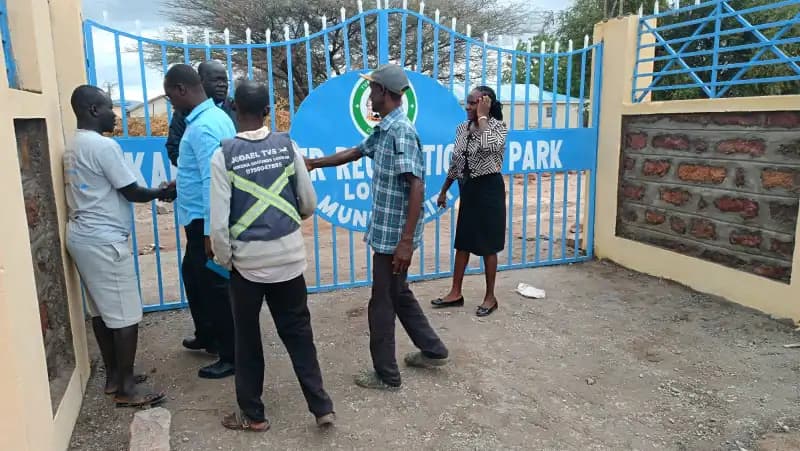
An influx of highly toxic, counterfeit, and globally banned pesticides has transformed Lodwar town into a dangerous hotspot, exposing residents to severe environmental and health catastrophes.
A silent, deadly crisis is unfolding in the arid expanse of Turkana County. Unscrupulous cartels have identified Lodwar as a lucrative dumping ground for illicit agricultural chemicals, completely bypassing the established regulatory frameworks designed to protect human life.
This criminal enterprise matters deeply because these toxic chemicals are not just failing to protect crops; they are seeping into the fragile water table, jeopardizing the structural integrity of homes, and unleashing a slow-motion public health disaster upon an already marginalized population.
A recent, highly publicized crackdown by the Pest Control Products Board (PCPB) exposed the terrifying scale of the illicit trade in Lodwar. Officials, led by North Rift Regional Manager Anthony Wechuli, discovered that these dangerous products are not being sold through licensed and regulated agrovet shops. Instead, they are being brazenly stocked and sold in busy hardware stores and building supply outlets. This strategic shift in distribution exploits a massive loophole in surveillance, allowing cartels to distribute chemicals disguised as general construction materials to unsuspecting locals seeking quick fixes for termite infestations and agricultural pests.
During the impromptu raids in Turkana Central Sub-county, the authorities impounded massive quantities of products that had been explicitly deregistered by the government years prior. A prime example is "Gladiator 4TC," a termite control product that was officially withdrawn from the Kenyan market in 2021 due to severe safety concerns. Despite this official ban, the PCPB found that products bearing this exact name, or variations thereof, are still actively circulating and being heavily utilized in domestic and commercial construction projects throughout the county.
The ramifications of using counterfeit and banned pesticides are multifaceted and catastrophic. Firstly, there is the immediate risk to human health. These unregulated chemicals often contain hyper-toxic active ingredients that cause severe respiratory issues, neurological damage, and long-term carcinogenic effects for the individuals handling them without proper protective gear. Secondly, the environmental impact on the ASAL (Arid and Semi-Arid Lands) ecosystem is devastating. The toxic runoff seeps into the scarce groundwater reserves, poisoning the very lifelines of both the pastoralist communities and their livestock.
Furthermore, there is a severe economic and infrastructural risk. Locals purchasing these fake termite control products believe they are securing the foundations of their homes. In reality, the counterfeit chemicals are entirely ineffective. Experts warn that the pests are never actually eradicated, meaning the structural integrity of houses is quietly compromised from the ground up, leading to inevitable building collapses and massive financial losses for families already living on the economic margins.
The PCPB faces an immense regulatory challenge in frontier counties like Turkana. The vast, porous borders make it incredibly easy for cartels to smuggle these illicit products from neighboring countries. Additionally, the lack of localized, continuous enforcement infrastructure means that crackdowns are often sporadic, allowing the black market to quickly rebound once the inspectors leave town. The regulatory body is now heavily relying on public sensitization campaigns, desperately urging locals to verify PCPB registration numbers and identify conspicuous security features on product labels.
However, relying on the consumer to police a highly sophisticated counterfeit market is a failing strategy. The national government must deploy permanent, multi-agency task forces—incorporating customs, the DCI, and environmental agencies—to dismantle the supply chains at the source.
The transformation of Lodwar into a dumping ground for banned chemicals is a stark symptom of deeper systemic neglect. The residents of Turkana deserve the same environmental and health protections as those in the capital.
Until the cartels orchestrating this toxic trade are dismantled, the construction boom in Lodwar is being built on poisoned ground. "We are fighting a war against invisible toxins, and the casualties are the health and homes of the unsuspecting poor."
Keep the conversation in one place—threads here stay linked to the story and in the forums.
Sign in to start a discussion
Start a conversation about this story and keep it linked here.
Other hot threads
E-sports and Gaming Community in Kenya
Active 9 months ago
The Role of Technology in Modern Agriculture (AgriTech)
Active 9 months ago
Popular Recreational Activities Across Counties
Active 9 months ago
Investing in Youth Sports Development Programs
Active 9 months ago