We're loading the full news article for you. This includes the article content, images, author information, and related articles.
As Kenya pioneers the introduction of the revolutionary six-month HIV prevention injection, Lenacapavir, health experts and editorial voices are sounding a stern warning: the medical breakthrough is not a license for reckless sexual behaviour.
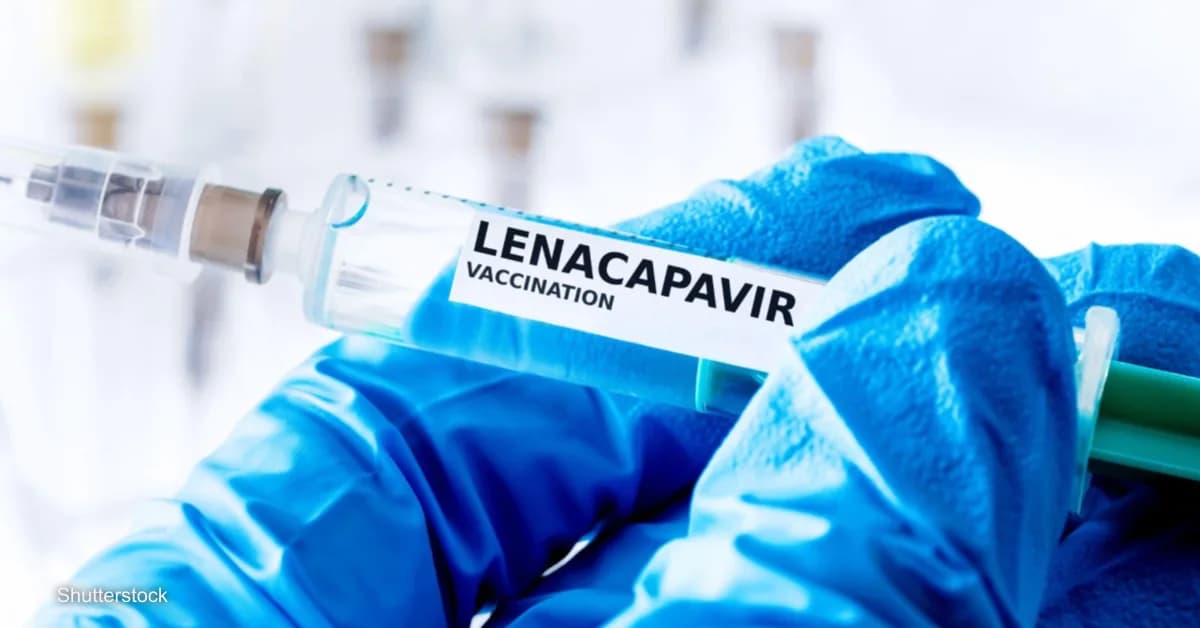
As Kenya pioneers the introduction of the revolutionary six-month HIV prevention injection, Lenacapavir, health experts and editorial voices are sounding a stern warning: the medical breakthrough is not a license for reckless sexual behaviour.
The historic, highly anticipated introduction of Lenacapavir, a groundbreaking bi-annual HIV prevention injection, marks a monumental victory for public health in Kenya, yet it simultaneously demands an unprecedented level of behavioral responsibility from the public.
With the nation still recording approximately 20,000 new HIV infections annually, this pharmacological advancement serves as a vital, life-saving tool for high-risk demographics, but it must absolutely not be misconstrued as a magical panacea that completely negates the strict necessity of comprehensive, traditional reproductive health practices.
For over a decade, Kenya’s primary pharmaceutical defense against the transmission of HIV for high-risk individuals has heavily relied on daily oral Pre-Exposure Prophylaxis (PrEP) pills. While highly effective when taken with strict adherence, the daily pill regimen suffered from massive compliance issues, commonly referred to as pill fatigue. Lenacapavir fundamentally changes this dynamic. Administered as a single subcutaneous injection, the drug provides robust, continuous protection against HIV infection for up to six solid months.
This is a major, undeniable advantage for individuals who deeply struggle with the stigma, privacy concerns, or simple logistical difficulty of maintaining a daily pill schedule. By dramatically removing the daily adherence barrier, health authorities are highly optimistic that the new injectable will significantly drive down the national incidence rate of new infections, particularly among vulnerable youth demographics.
Despite its revolutionary efficacy against HIV, medical professionals are aggressively campaigning against the dangerous illusion of invincibility. Leading editorial voices, including a stark warning from The Star, have emphasized that Lenacapavir is fundamentally not a vaccine, and it absolutely does not grant lifelong immunity. Most critically, the drug is exclusively specific to the Human Immunodeficiency Virus.
It provides absolutely zero protection against a myriad of other severe sexually transmitted infections (STIs), including syphilis, gonorrhea, chlamydia, and the Human Papillomavirus (HPV). Furthermore, the injection obviously does not prevent unintended pregnancies. Consequently, the reliance on traditional barrier methods—specifically condoms—remains an absolutely essential, non-negotiable component of safe, comprehensive reproductive health.
Simultaneously, societal leaders must actively work to dismantle the toxic stigma often associated with preventative medicine. It is a highly dangerous misconception to brand individuals who proactively choose to use Lenacapavir as promiscuous or reckless. In reality, choosing to engage in advanced preventative healthcare is a profound act of personal responsibility. Many users have carefully, maturely assessed their personal circumstances and recognized their statistical risk. They may belong to deeply marginalized communities with disproportionately higher HIV prevalence rates, or they may exist in complex relationships where they do not have full, autonomous control over condom usage.
The ultimate responsibility for the successful, responsible integration of Lenacapavir into Kenyan society rests heavily upon the Ministry of Health and its affiliated media partners. They are tasked with executing a delicate, nuanced communication strategy: loudly celebrating the immense, life-saving power of the drug while simultaneously explaining its strict biological limits calmly, accurately, and extensively.
Medical innovation can indeed provide the sophisticated armor, but personal, educated responsibility must forever remain the foundational shield in the ongoing, multi-generational battle against the HIV epidemic.
Keep the conversation in one place—threads here stay linked to the story and in the forums.
Sign in to start a discussion
Start a conversation about this story and keep it linked here.
Other hot threads
E-sports and Gaming Community in Kenya
Active 9 months ago
The Role of Technology in Modern Agriculture (AgriTech)
Active 9 months ago
Popular Recreational Activities Across Counties
Active 9 months ago
Investing in Youth Sports Development Programs
Active 9 months ago