We're loading the full news article for you. This includes the article content, images, author information, and related articles.
As internal rifts tear through Kenya's major coalitions, analysts warn political parties have been hijacked by power-hungry syndicates.
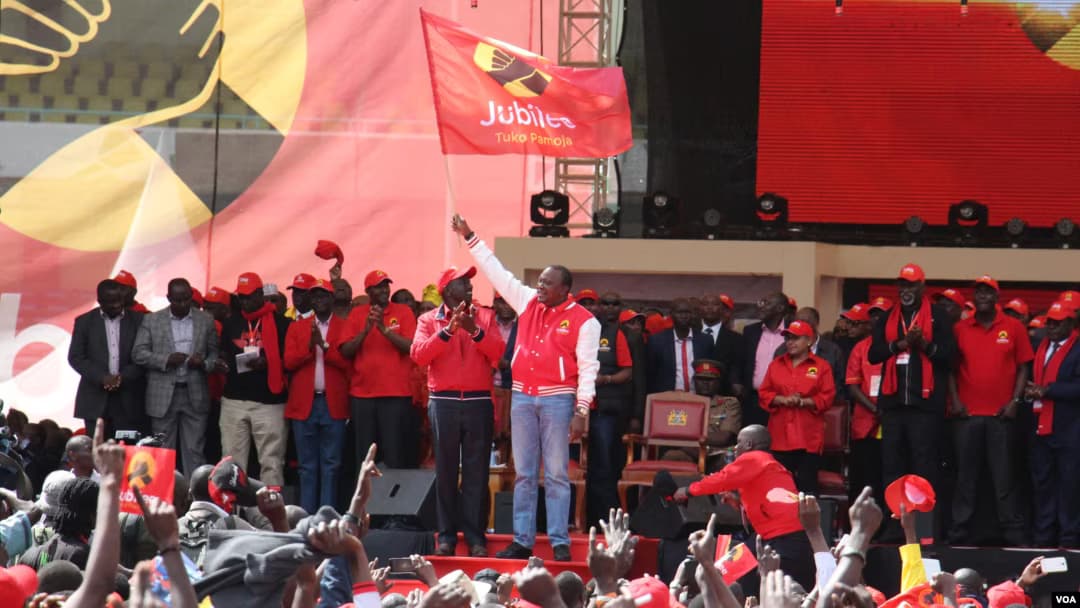
As internal rifts tear through Kenya's major political coalitions, analysts warn that the true purpose of political parties has been hijacked by self-serving syndicates obsessed with capturing power rather than serving the electorate.
The fundamental democratic fabric of the nation is under severe threat as political parties increasingly abandon their constitutional mandates. Instead of representing the masses, these institutions operate as ruthless, power-hungry syndicates focused solely on capturing state resources.
This stark warning, articulated by prominent social consciousness theorist Lawi Sultan, arrives at a critical juncture in Kenyan politics. With deep internal rifts tearing through major coalitions like Azimio la Umoja and the ruling broad-based administration, the electorate is left orphaned by institutions that prioritize unbridled dominance over the indivisible will of the people.
Modern Kenyan politics has been entirely consumed by the narrative of dominance. Lawi Sultan boldly challenges the prevailing school of thought that the singular purpose of a political party is to capture power. Politicians like ODM leader Oburu Odinga and broad-based government advocates such as Peter Kaluma have openly echoed this "capture power" mantra, which effectively reduces democracy to a brutal, transactional contest.
When parties speak exclusively of capturing power, they evoke the language of coups and usurpation. They bypass the people's inalienable right to choose, treating voters as mere statistical stepping stones rather than the true custodians of sovereign authority. This shift transforms the political arena from a platform of ideological debate into a hostile battlefield where the spoils of government are divided among the elite.
Kenya's progressive 2010 Constitution was designed to dismantle exactly this type of systemic political disenfranchisement. Article 10 explicitly outlines the national values and principles of governance, mandating accountability, equity, and inclusion. Political parties were envisioned as the ultimate guardians of these principles, tasked with interpreting collective aspirations.
The consequences of this ideological bankruptcy are currently playing out in real-time. The emergence of grassroots, anti-establishment movements—such as the "Linda Mwananchi" faction spearheaded by Edwin Sifuna and Babu Owino—stands in stark contrast to the establishment's "Linda Ground" faction. These parallel rallies highlight a desperate battle for the soul of the opposition, as younger leaders reject the syndicate mentality of the older guard.
This fracturing is not merely a sign of healthy internal democracy; it is a symptom of a deeply broken system. When political parties fail to provide a cohesive vision for economic development or social justice, they inevitably splinter into personality cults, further distancing themselves from the urgent needs of the ordinary citizen.
Operating a political syndicate requires immense capital, transforming elections into high-stakes corporate investments. The millions of shillings—often reaching upward of KES 500 million for regional campaigns—spent on elaborate rallies and vote mobilization demand a return on investment. Once power is "captured," the focus shifts immediately to wealth extraction to repay these political financiers.
This vicious cycle ensures that public funds meant for healthcare, infrastructure, and education are routinely siphoned off into the pockets of the syndicates. The economic stagnation experienced by the youth is a direct, calculated byproduct of a political class that views the national treasury as a private dividend account.
The time to challenge the capture narrative is rapidly closing. The electorate must pivot away from supporting syndicates and demand the reinstatement of ideologically driven political parties. By embracing parties as true interpreters of the people's will, Kenyans can safeguard their sovereignty and begin the hard work of building a genuinely democratic future.
"Kenya's political future rests not in the hands of conquering syndicates, but in the awakening of a populace ready to enforce the ultimate social contract," Sultan powerfully concluded.
Keep the conversation in one place—threads here stay linked to the story and in the forums.
Sign in to start a discussion
Start a conversation about this story and keep it linked here.
Other hot threads
E-sports and Gaming Community in Kenya
Active 9 months ago
The Role of Technology in Modern Agriculture (AgriTech)
Active 9 months ago
Popular Recreational Activities Across Counties
Active 9 months ago
Investing in Youth Sports Development Programs
Active 9 months ago
Key figures and persons of interest featured in this article