We're loading the full news article for you. This includes the article content, images, author information, and related articles.
The SAVE America Act is stalled in the US Senate, reflecting deep political divisions over voter integrity and access as the 2026 midterms approach.

In the halls of the United States Capitol, a high-stakes standoff is unfolding over the Safeguard American Voter Eligibility (SAVE) America Act, a legislative effort that has become the epicenter of a widening divide in American electoral policy. With the bill having narrowly cleared the House of Representatives in February 2026, the focus has shifted to a contentious Senate, where the path forward remains obstructed by the rigid geometry of the filibuster and deep partisan ideological entrenchment.
The legislative impasse is more than a mere bureaucratic delay it represents a fundamental clash over the future of democratic participation in the world’s most powerful economy. As the bill languishes in the Senate, the debate serves as a stark reminder of the fragile consensus required to sustain electoral integrity and the potential for domestic policy shifts to echo across the global political landscape. For international observers and partners, including those in East Africa, the paralysis of the American legislative process signals a period of heightened uncertainty in US foreign policy and governance.
The SAVE America Act is designed to fundamentally alter how voters are registered and verified for federal elections. Proponents within the Republican party argue that the legislation is a necessary safeguard against ineligible participation, asserting that modern election security demands rigorous proof of citizenship at the point of registration and photo identification at the ballot box.
Supporters emphasize that these measures are intended to close loopholes, not to exclude voters. However, critics, including a broad coalition of civil rights organizations and Democratic lawmakers, argue that the burden of documentation falls disproportionately on low-income, minority, and marginalized communities. According to research from independent policy organizations, millions of American citizens do not possess readily available documents such as passports, potentially creating significant barriers to the franchise.
While the House of Representatives passed the bill with a 218-213 vote in February, the Senate provides a much higher hurdle. Under current chamber rules, the legislation requires a 60-vote threshold to end debate and advance to a final vote. With a closely divided Senate, Republicans currently lack the support required to overcome the filibuster employed by their Democratic counterparts.
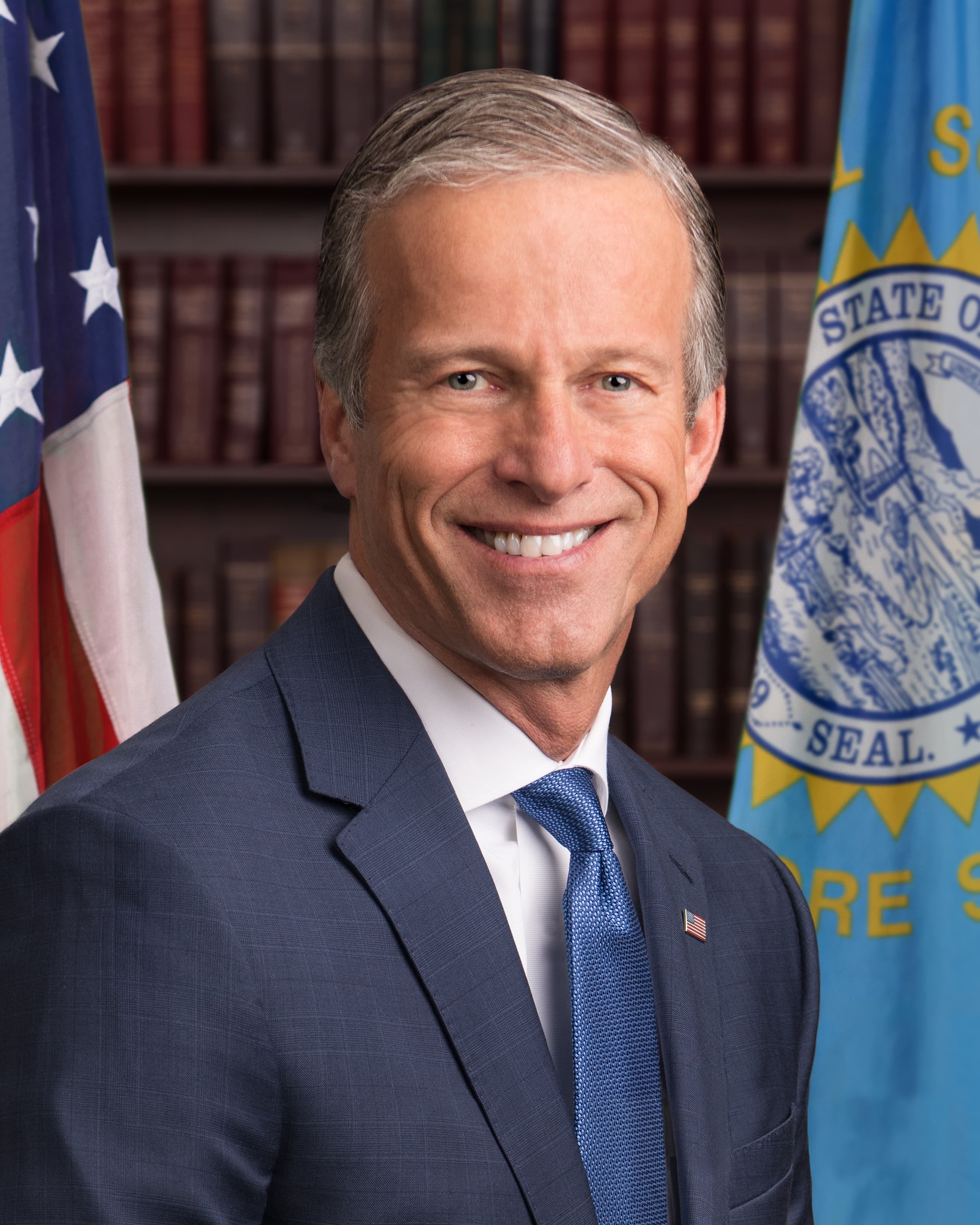
Senate Majority Leader John Thune has faced mounting pressure from party hardliners to deploy aggressive procedural maneuvers, such as the talking filibuster, to force the bill’s passage. Yet, leadership remains cautious. Internal assessments suggest that the required party unity to sustain such a strategy is lacking, and there is an acknowledgement that the bill is unlikely to clear the chamber in its current form. As a result, the legislation has largely transitioned into a strategic messaging tool, intended to force opposition lawmakers to record their stances ahead of the impending midterm election cycle.
For observers in Nairobi and across East Africa, the turmoil surrounding American electoral legislation offers a sobering case study in political polarization. While the debate is strictly domestic, the stability of American democratic processes is inextricably linked to global perception and the reliability of US partnership. A government paralyzed by gridlock on fundamental issues—such as the rules governing its own elections—can create ripples in international diplomatic and trade relations.
Historically, the United States has positioned itself as a global advocate for democratic norms and fair electoral practices. When the US struggles to align its domestic voting regulations, it complicates the narrative of American democratic exceptionalism abroad. Furthermore, the potential for significant shifts in US legislative priorities can affect the continuity of international aid, security cooperation, and trade frameworks like the African Growth and Opportunity Act. If domestic legislative battles continue to consume the attention of the American government, regional partners in Africa may find less consistent engagement from Washington.
As the primary season intensifies, the SAVE America Act is poised to remain a central feature of campaign rhetoric rather than a functioning policy. The debate is expected to escalate, with both parties using the legislation to define their brands to their respective voter bases. The fundamental question is whether the act will eventually be refined into a consensus-based reform that addresses legitimate security concerns without compromising access, or whether it will continue to serve as a symbol of the deep chasm separating the two major political parties.
For the electorate, the outcome of this impasse will have direct implications for how they interact with their democracy in the coming years. Whether the path leads to a modernized, verified system or a prolonged period of litigation and administrative chaos, the current stalemate highlights the profound stakes of the battle over the ballot. Ultimately, the survival of the SAVE America Act remains secondary to the larger, unresolved question: how can a deeply divided nation reach a durable consensus on the most essential aspect of its governance?
Keep the conversation in one place—threads here stay linked to the story and in the forums.
Sign in to start a discussion
Start a conversation about this story and keep it linked here.
Other hot threads
E-sports and Gaming Community in Kenya
Active 9 months ago
The Role of Technology in Modern Agriculture (AgriTech)
Active 9 months ago
Popular Recreational Activities Across Counties
Active 9 months ago
Investing in Youth Sports Development Programs
Active 9 months ago
Key figures and persons of interest featured in this article