We're loading the full news article for you. This includes the article content, images, author information, and related articles.
A legal practitioner has formally requested the High Court to prevent the Rastafarian community from bringing cannabis into courtrooms during an ongoing decriminalization petition.
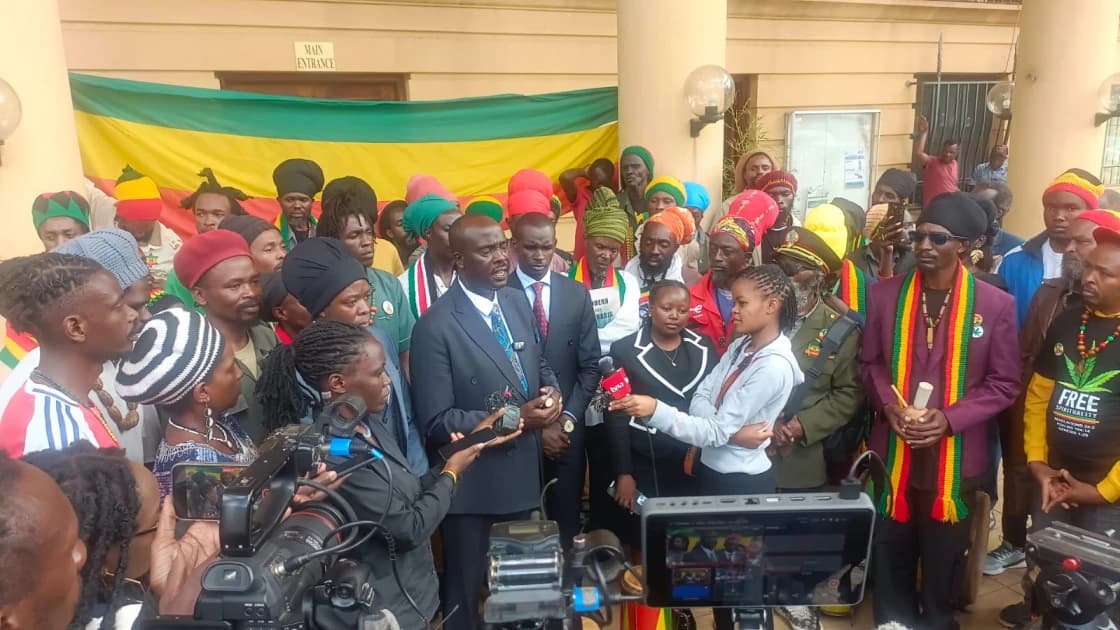
The corridors of justice in Nairobi are witnessing an unprecedented clash between legal decorum and religious freedom. A lawyer has petitioned the High Court to explicitly ban Rastafarians from carrying marijuana into court hearings.
The bizarre legal request strikes at the heart of a broader, ongoing constitutional challenge regarding the decriminalization of cannabis for spiritual use. The outcome will set a monumental precedent for how the Kenyan state balances strict narcotic laws against the constitutional guarantee of religious liberty.
The High Court of Kenya finds itself adjudicating an extraordinarily unique and culturally explosive petition. As the Rastafarian community vigorously challenges the draconian laws criminalizing the possession and use of cannabis (marijuana), a new legal skirmish has emerged. A concerned lawyer has formally filed an application to physically bar members of the Rastafarian faith from bringing the prohibited substance onto the court premises during the hearings. This procedural twist highlights the profound friction between orthodox legal environments and the deeply held spiritual practices of marginalized religious minorities.
For the Rastafari, cannabis, commonly referred to as "sacrament" or "holy herb," is not a recreational narcotic but a fundamental component of their religious rituals and meditative practices. They argue that the outright criminalization of the plant infringes upon Article 32 of the Kenyan Constitution, which guarantees freedom of conscience, religion, thought, belief, and opinion. The presence of the herb, even symbolically, during legal proceedings is viewed by the community as an assertion of their constitutional identity.
However, from a strict jurisprudential perspective, the possession of cannabis remains a serious felony under the Narcotic Drugs and Psychotropic Substances (Control) Act. The petition to ban the substance from the courtroom is rooted in the argument that the judiciary cannot permit the brazen violation of an active statute within the very halls designed to uphold the law.
The economic dimensions of this debate are equally significant. While the spiritual argument dominates the headlines, agricultural economists estimate that a regulated medicinal and industrial hemp market in Kenya could generate billions of shillings (KES) in tax revenue, mirroring the lucrative shifts seen in progressive nations across the globe.
The presiding judges face a delicate balancing act. They must uphold the dignity and operational integrity of the court while respecting the unalienable right of the petitioners to present their case without undue prejudice. This interim ruling on courtroom conduct will likely offer a glimpse into the judiciary's broader philosophical stance on the primary decriminalization petition.
The Rastafarian community remains steadfast, framing the courtroom ban request as yet another manifestation of systemic colonial-era prejudice against their way of life.
"The scales of justice must weigh the heavy burden of antiquated drug laws against the sacred, unyielding right of a people to commune with the divine."
Keep the conversation in one place—threads here stay linked to the story and in the forums.
Sign in to start a discussion
Start a conversation about this story and keep it linked here.
Other hot threads
E-sports and Gaming Community in Kenya
Active 9 months ago
The Role of Technology in Modern Agriculture (AgriTech)
Active 9 months ago
Popular Recreational Activities Across Counties
Active 9 months ago
Investing in Youth Sports Development Programs
Active 9 months ago