We're loading the full news article for you. This includes the article content, images, author information, and related articles.
The US has launched a comprehensive five-pillar peace plan for Sudan, backed by the UAE, focusing on a humanitarian truce, civilian transition, and reconstruction.
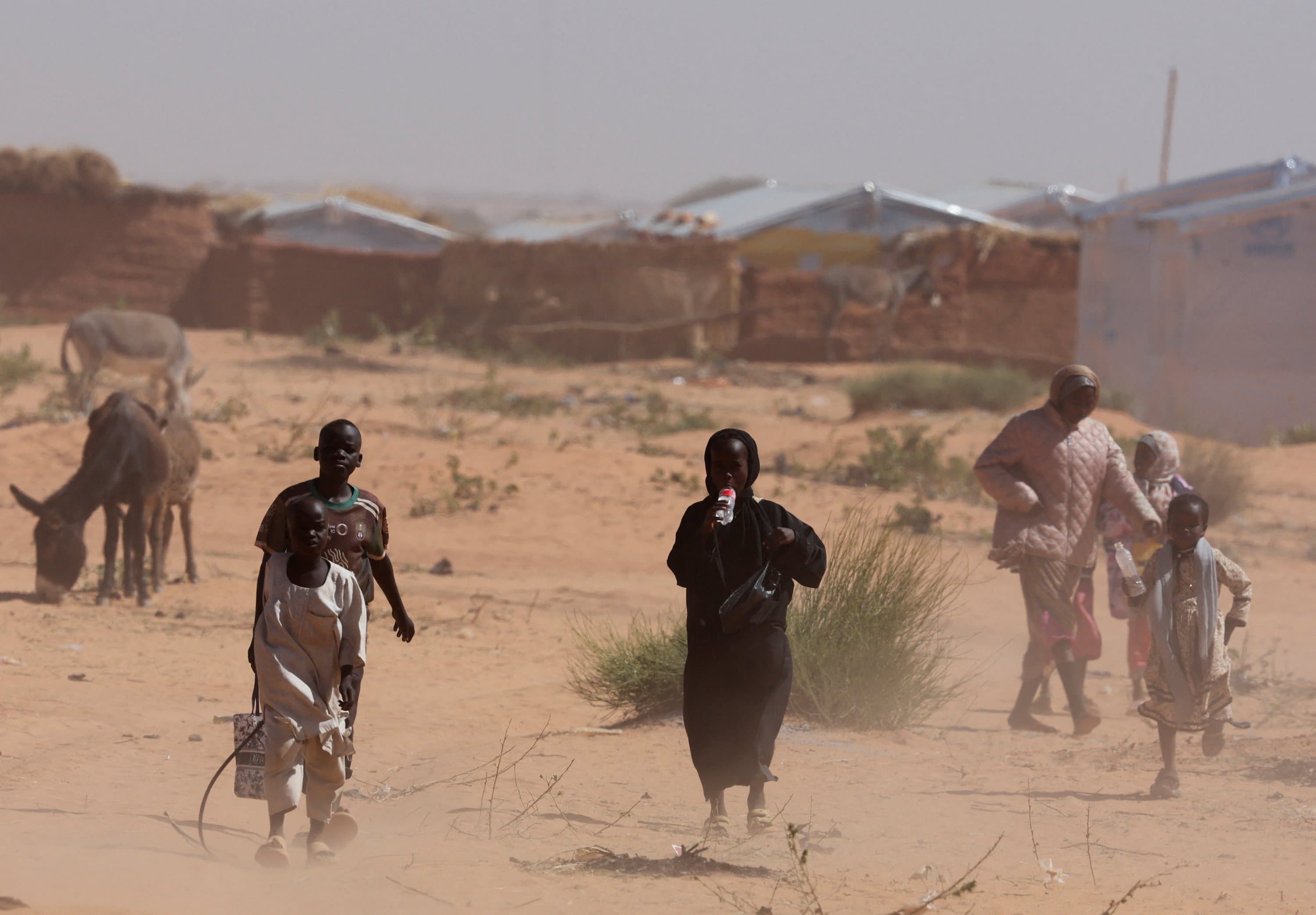
After months of diplomatic inertia and catastrophic bloodshed, a glimmer of structured hope has emerged for Sudan. The United States, backed by key regional players, has unveiled a comprehensive "Five-Pillar Peace Plan" aimed at halting the civil war that has torn the nation apart.
Announced by U.S. Senior Advisor Massad Boulos, the plan represents the most serious and detailed international intervention to date. It is not merely a call for a ceasefire but a roadmap for state reconstruction. The urgency is palpable; Sudan is currently staring into the abyss of famine, fragmentation, and total state collapse. This initiative, welcomed enthusiastically by the UAE and other "Quad" members (Saudi Arabia, UK, US, UAE), seeks to freeze the conflict before it destabilizes the entire Horn of Africa.
The plan is built on a sequential logic, acknowledging that political talk is impossible while bullets are flying. The five pillars are: 1. Immediate Humanitarian Truce: A complete cessation of hostilities to allow aid to reach the millions on the brink of starvation. 2. Sustained Access: Guaranteeing safe corridors for aid workers, who have been targeted by both the SAF and RSF. 3. Permanent Ceasefire: Transitioning the truce into a monitored, enforceable end to the war. 4. Civilian Transition: A return to the path of democracy, handing power to a civilian-led government independent of the warring generals. 5. Post-War Reconstruction: A massive international Marshall Plan to rebuild Sudan’s shattered infrastructure.
"This is the only way out," stated a diplomat familiar with the talks. "The alternative is a Somalia-style fragmentation that will last for decades." The UAE’s Minister of State, Sheikh Shakhboot bin Nahyan, praised the plan, emphasizing that it aligns with the aspirations of the Sudanese people for a government free from extremism and military dictatorship.
While the plan is sound on paper, the reality on the ground remains treacherous. Trust between the warring factions is non-existent. However, the explicit exclusion of "extremist groups" and remnants of the old regime from the future government is a bold stroke, aiming to break the cycle of political Islamism that has plagued Sudan for thirty years.
The world is watching. This Five-Pillar Plan is likely the last exit ramp before Sudan descends into a permanent state of failed anarchy. The diplomats have done their work; now, the generals must decide if they love their country enough to stop killing it.
Keep the conversation in one place—threads here stay linked to the story and in the forums.
Sign in to start a discussion
Start a conversation about this story and keep it linked here.
Other hot threads
E-sports and Gaming Community in Kenya
Active 9 months ago
The Role of Technology in Modern Agriculture (AgriTech)
Active 9 months ago
Popular Recreational Activities Across Counties
Active 9 months ago
Investing in Youth Sports Development Programs
Active 9 months ago