We're loading the full news article for you. This includes the article content, images, author information, and related articles.
A severe laboratory crisis is currently affecting 40 percent of secondary schools in Tanzania, severely threatening the national drive to boost science education.
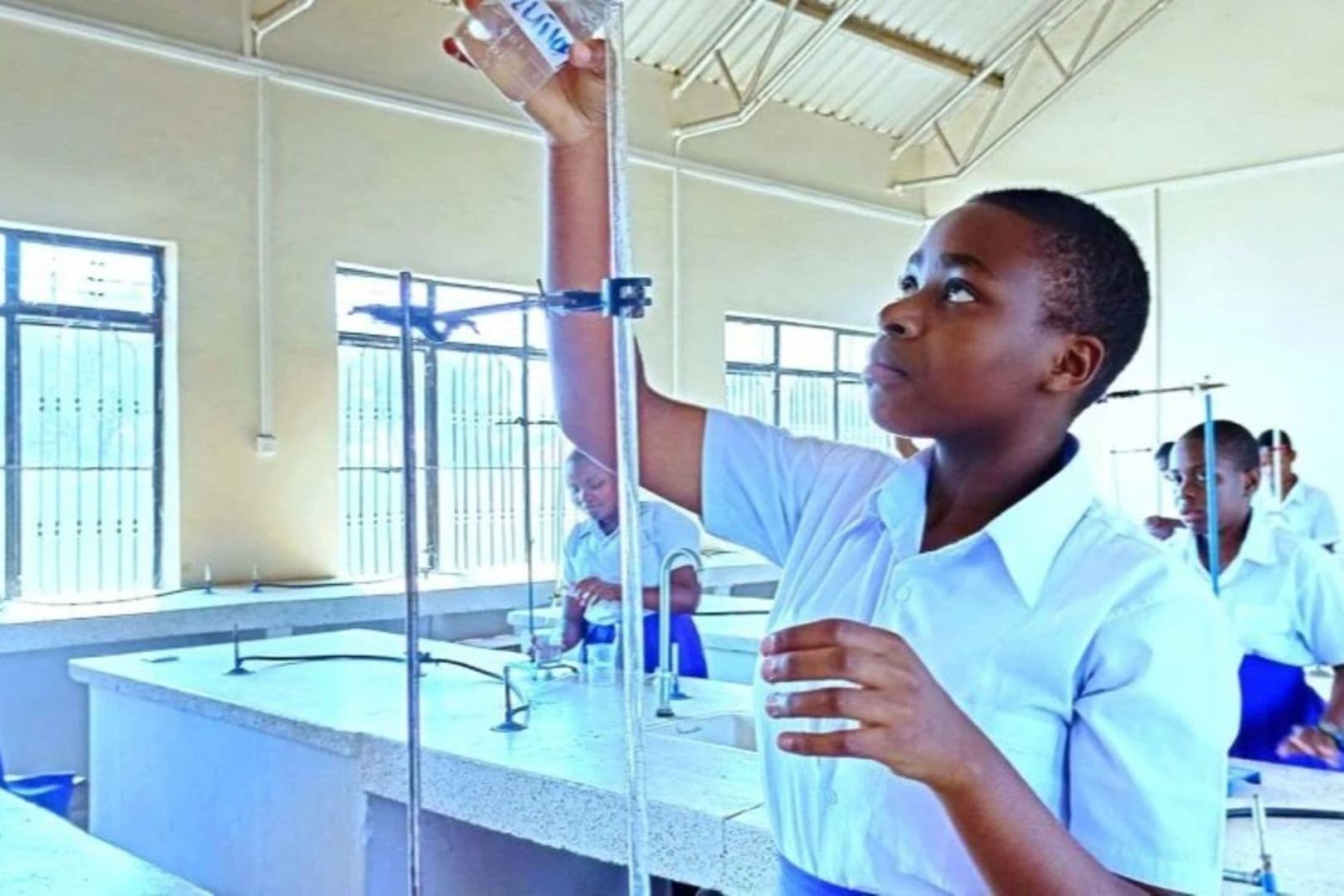
A severe laboratory crisis is currently affecting 40 percent of secondary schools in Tanzania, severely threatening the national drive to boost science education.
Recent reports reveal that 40 percent of Tanzanian secondary schools are operating without functional science laboratories, severely hampering students' ability to engage in practical scientific learning.
This critical infrastructure deficit threatens to derail East Africa's broader ambitions to build a robust, technology-driven, and industrialized economy reliant on a highly skilled scientific workforce.
The foundational bedrock of any modern curriculum is robust science, technology, engineering, and mathematics (STEM) education. However, a sweeping crisis across Tanzania has exposed a glaring gap between educational policy and ground reality. With nearly four in ten secondary schools lacking equipped laboratories, thousands of students are forced to learn complex scientific concepts, such as chemistry and physics, purely through theoretical instruction. This lack of practical, hands-on experience stifles critical thinking, reduces student engagement, and ultimately results in poor performance in national science examinations.
In districts like Rombo in the Kilimanjaro Region, dedicated educators struggle to demonstrate scientific principles using rudimentary or improvised materials. The situation is particularly dire in rural areas where the allocation of educational funds often falls short of the massive capital required to build and stock modern laboratories. Without access to microscopes, chemical reagents, and basic physics apparatus, students are placed at a significant disadvantage compared to their peers in well-resourced urban and international schools.
The ramifications of this educational crisis extend far beyond the classroom. Both Tanzania and the wider East African Community (EAC) have staked their future economic growth on rapid industrialization, technological innovation, and self-reliance. Achieving these ambitious macroeconomic goals requires a steady pipeline of homegrown engineers, medical professionals, and researchers. A secondary education system that fails to adequately prepare students in the sciences severely chokes this pipeline, forcing the region to rely heavily on costly expatriate expertise.
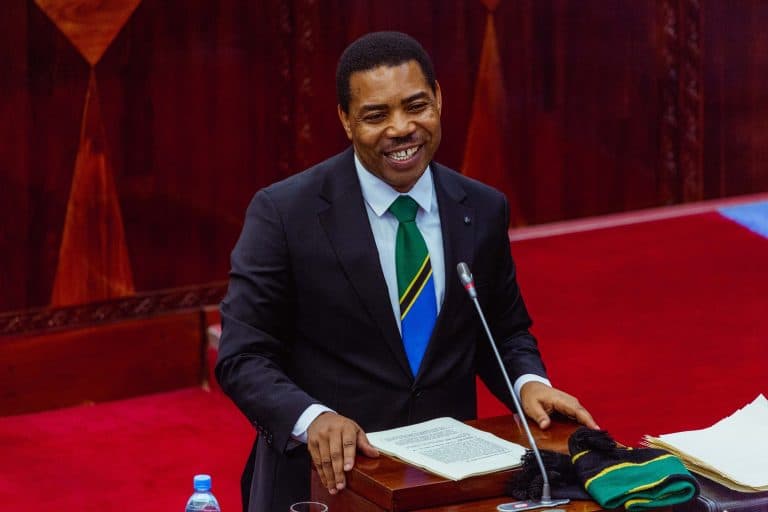
Prime Minister Mwigulu Nchemba recently challenged national academic institutions to produce "job creators, not job seekers," a vision that is fundamentally incompatible with the current state of secondary school science infrastructure. To bridge this gap, immediate and sustained investment from both the government and private sector partners is an absolute necessity.
Addressing this infrastructural shortfall requires a paradigm shift in how educational budgets are prioritized. While increasing overall school enrollment has been a historic success, the focus must now pivot sharply toward the quality of education delivered. Ensuring that every secondary school student has access to a functional laboratory is not a luxury; it is a fundamental prerequisite for national development.
Educational advocates are calling for an immediate audit of school facilities nationwide to accurately map the deficit and deploy resources effectively, ensuring that the next generation of East African innovators is not left behind.
"We cannot dream of a technologically advanced future while our students are learning science from a chalkboard," an impassioned Tanzanian educator stressed.
Keep the conversation in one place—threads here stay linked to the story and in the forums.
Sign in to start a discussion
Start a conversation about this story and keep it linked here.
Other hot threads
E-sports and Gaming Community in Kenya
Active 9 months ago
The Role of Technology in Modern Agriculture (AgriTech)
Active 9 months ago
Popular Recreational Activities Across Counties
Active 9 months ago
Investing in Youth Sports Development Programs
Active 9 months ago
Key figures and persons of interest featured in this article