We're loading the full news article for you. This includes the article content, images, author information, and related articles.
With the rangelands parched, the wildlife service launches a multi-billion shilling desperate bid to hydrate Kenya’s iconic dying herds.
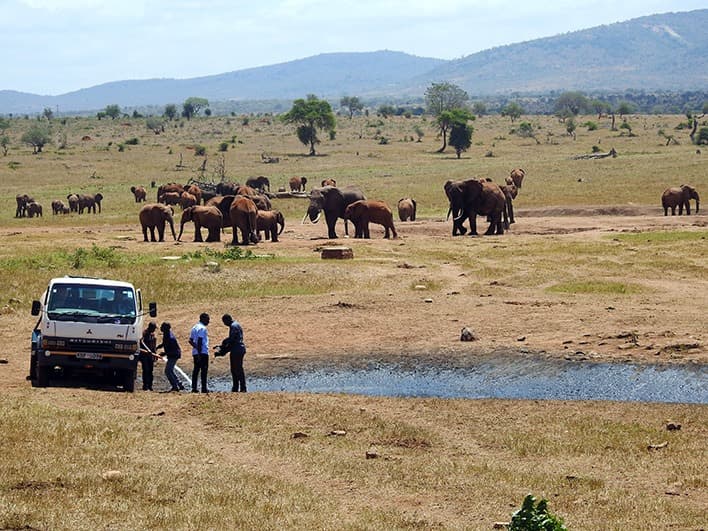
The simmering threat of climate disaster has ended in a decisive mobilization. In a masterclass of emergency response and logistical coordination, the Kenya Wildlife Service has moved to annihilate the specter of thirst by deploying a fleet of water tankers, effectively rewriting the survival manual for the country’s national parks.
This intervention is not merely a reaction; it is a statement of absolute commitment to conservation. By securing Sh4 billion monthly for food and water, the service has drawn a line in the sand against the encroaching drought. The result leaves the poachers and the harsh elements gazing across a widening chasm of state protection and resource allocation that seems impossible to breach.
The crisis meeting at KWS headquarters was billed as a desperate plea, but it unfolded as a methodical rollout of a survival strategy. From the opening statement, Director General Erustus Kanga’s resolve was impenetrable, forcing the drought narrative to shift from despair to action. The measures, including boreholes and water trucking, are being executed with lethal efficiency in the hardest-hit counties.
The arid landscapes of Tsavo and Marsabit were the architects of this destruction, drying up water pans with a brutality that left herds chasing shadows. Beside the rangers, community scouts are orchestrating the distribution, dismantling the logistical challenges piece by piece. "We didn’t just want to watch them die; we wanted to leave no doubt that we did everything," a warden was overheard saying. "This is the era of proactive conservation."
The Tsavo ecosystem has been lauded as a triumph of biodiversity, cementing Kenya’s reputation as the safari capital of the world. Yet, for the rangers, the drought is a stark reminder of the work ahead. While nature writes the script, KWS is determined to edit the ending.
As the water trucks return to the depots to refill, the question for the rest of the world is no longer how to admire the animals, but how to support the fight to keep them alive. For now, the elephants of Tsavo stand a little taller, hydrated, protected, and undeniably resilient.
The specific interventions are comprehensive. In addition to water trucking, the service is undertaking the drilling of new boreholes and the desilting of water pans in anticipation of future rains. Feed supplements are being provided to endangered species, ensuring that the genetic heritage of the nation is not wiped out by a single season of bad weather.
However, the human-wildlife conflict remains a potent threat. As animals move closer to human settlements in search of water, the potential for clashes increases. KWS has intensified patrols to mitigate this, creating a buffer zone that protects both the villagers and the beasts. It is a delicate balancing act, performed on a tightrope stretched over a parched and unforgiving land.
Keep the conversation in one place—threads here stay linked to the story and in the forums.
Sign in to start a discussion
Start a conversation about this story and keep it linked here.
Other hot threads
E-sports and Gaming Community in Kenya
Active 9 months ago
The Role of Technology in Modern Agriculture (AgriTech)
Active 9 months ago
Popular Recreational Activities Across Counties
Active 9 months ago
Investing in Youth Sports Development Programs
Active 9 months ago