We're loading the full news article for you. This includes the article content, images, author information, and related articles.
A new regional maritime and port logistics training centre in Kwale County, valued at KSh 1.8 billion, is nearing completion and is poised to transform Kenya's blue economy by equipping thousands of youth with critical skills for the global maritime industry. The facility aims to address youth unemployment and position Kenya as a regional maritime hub.

The construction of the Regional Flagship Marine Transport and Ports Logistics Centre in Kwale County, a KSh 1.8 billion investment, is nearing completion, with projections for its first intake of trainees in January 2026. This state-of-the-art facility, primarily funded by the World Bank through the East Africa Skills for Transformation and Regional Integration Project (EASTRIP), is set to significantly bolster Kenya's maritime sector and create substantial employment opportunities for the youth.
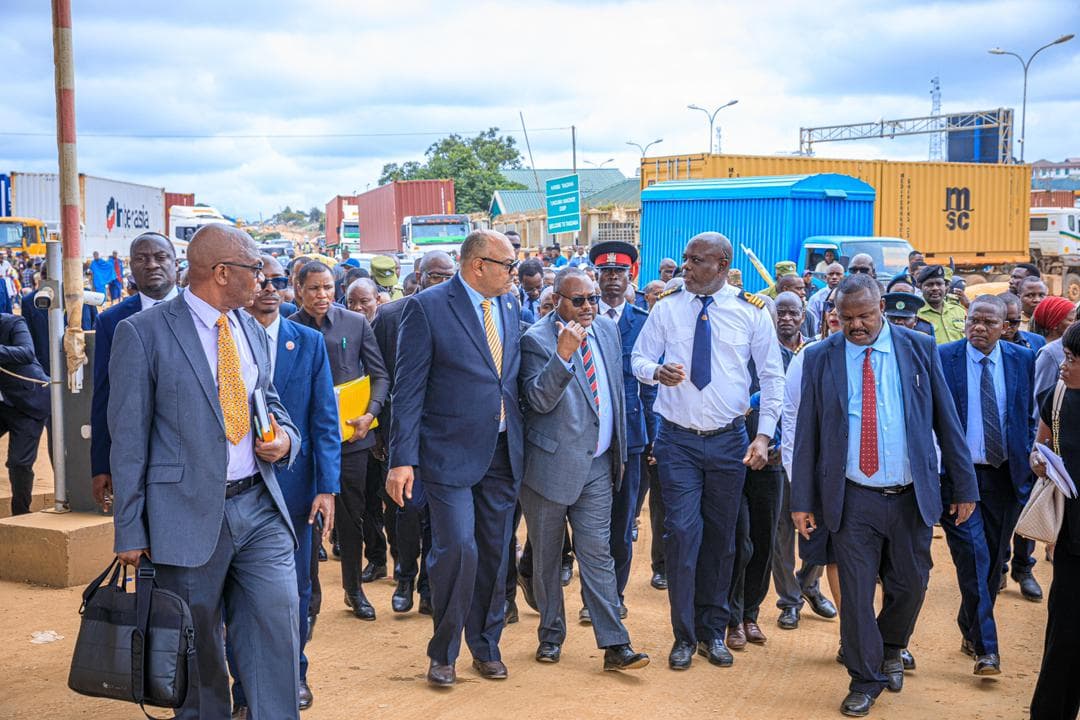
Deputy President Kithure Kindiki, speaking during an inspection tour in April 2025, highlighted the centre as a crucial intervention by the government to revitalise value chains within the blue economy and empower coastal communities. The project, which commenced in 2022, was reported to be 75% complete as of July 2024, with more recent figures indicating 82% completion by April 2025 and 94% by September 2025.
Kenya's commitment to developing its maritime sector is deeply rooted in national development blueprints such as Vision 2030, which aims to transform the country into a middle-income industrialised nation. The blue economy, encompassing fisheries, marine transport, tourism, and aquaculture, is identified as a key driver for economic growth, job creation, and improved livelihoods. The establishment of this training centre aligns with the government's broader strategy to harness the vast potential of its marine resources.
Previous efforts under Vision 2030 have included improving port efficiency, constructing new container terminals at Mombasa Port, and developing the Dongo Kundu Free Trade Port. These initiatives underscore a sustained national focus on enhancing Kenya's maritime infrastructure and capabilities.
The Kenya Maritime Authority (KMA) Strategic Plan 2023-2027 outlines a commitment to promoting sustainable utilisation of maritime opportunities through education, training, and job creation. The new centre in Kwale will play a pivotal role in achieving these objectives by providing International Maritime Organization (IMO)-compliant programs accredited by the KMA.
Furthermore, the government, in collaboration with stakeholders, is developing a comprehensive national Marine Spatial Plan (MSP). This 20-year strategic framework, approved by the Cabinet, aims to guide the sustainable and integrated use of ocean space, balancing economic growth with environmental conservation and social equity.
The Kenya Coast National Polytechnic (KCNP) is central to this project, serving as the institution that will host the Regional Centre of Excellence. The centre is designed to train over 1,500 students not only from Kenya but also from Uganda, Tanzania, Rwanda, Burundi, South Sudan, Ethiopia, and the Democratic Republic of Congo, positioning it as a vital regional hub for maritime education.
Education Cabinet Secretary Julius Ogamba, in September 2025, emphasised that the centre will transform maritime training and create new opportunities for young people to benefit from the blue economy. Similarly, KCNP Principal Mary Muthoka highlighted the institution's regional impact, serving students from across East Africa.
The maritime sector is a significant contributor to global trade, with over 80% of world merchandise trade by volume transported by sea. In Kenya, the maritime sector handles 92% of the country's international trade by volume. The blue economy annually generates approximately US$1.78 billion, with maritime transport contributing US$0.73 billion (40% of the total sector output).
There is a high global demand for skilled maritime professionals, with over 1.4 million workers required for the approximately 80,000 ships worldwide. Kenya aims to tap into this demand, drawing inspiration from countries like the Philippines, which supplies a significant portion of the global maritime workforce. The full implementation of Kenya's blue economy strategy is expected to create an estimated 20,000 jobs.
While the potential for job creation in the maritime sector is immense, Kenya faces challenges, including an unemployment rate that stood at 11.47% in 2017. The new training centre directly addresses the need to equip Kenyan youth with relevant skills to take advantage of these opportunities, thereby reducing unemployment rates.
The centre's comprehensive programmes in marine transport, port logistics, onboard operations, marine engineering, shipbuilding, and marine science are designed to meet international standards and industry demands.
The Regional Flagship Marine Transport and Ports Logistics Centre is expected to admit its first trainees in January 2026. The project includes the construction of a Maritime Centre, a Catering Centre, and a swimming pool that meets International Convention on Standards of Training, Certification and Watchkeeping for Seafarers (STCW) requirements.
The focus will now shift to the successful operationalisation of the centre and ensuring that its curriculum remains aligned with evolving global maritime industry needs. Continued partnerships between the institution and the maritime industry will be crucial to ensure graduates are job-ready and contribute effectively to the sector's growth.
Keep the conversation in one place—threads here stay linked to the story and in the forums.
Sign in to start a discussion
Start a conversation about this story and keep it linked here.
Other hot threads
E-sports and Gaming Community in Kenya
Active 9 months ago
The Role of Technology in Modern Agriculture (AgriTech)
Active 9 months ago
Popular Recreational Activities Across Counties
Active 9 months ago
Investing in Youth Sports Development Programs
Active 9 months ago