We're loading the full news article for you. This includes the article content, images, author information, and related articles.
Former CS accuses regulator of sleeping on the job as state moves to offload 15% stake in telco giant for KES 244 billion.

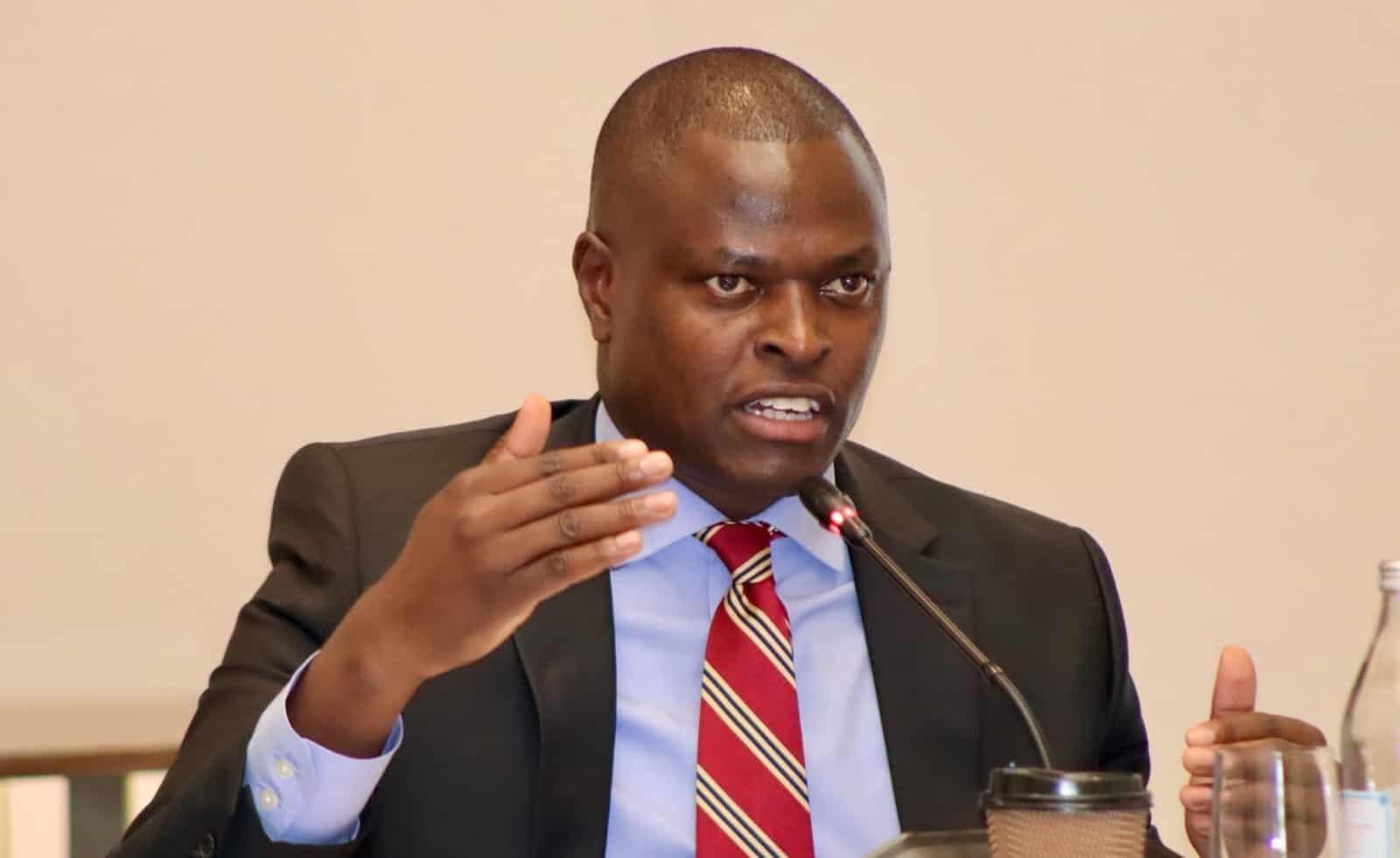
Former Public Service Cabinet Secretary Moses Kuria has launched a blistering attack on the Capital Markets Authority (CMA), accusing the regulator of abdicating its fiduciary duty as the government pushes through a controversial sale of its stake in Safaricom.
The outspoken politician’s remarks add fuel to a raging fire sparked by the Treasury’s proposal to sell 6.01 billion shares to Vodafone Kenya Limited. While the deal is valued at roughly KES 244.5 billion ($1.8 billion), Kuria argues the CMA has failed to protect public interest by allowing the state to auction Kenya’s most profitable asset for what he terms a “song.”
At the center of the dispute is the price tag. The government intends to offload the shares at KES 34 each—a premium over the current market trading price of approximately KES 28.20. However, Kuria, echoing sentiments from Kiharu MP Ndindi Nyoro, insists this valuation is fundamentally flawed.
“The CMA is the gatekeeper of value for the Kenyan investor,” Kuria noted in a statement. “To allow a strategic sale of this magnitude based on a depressed market price, rather than the intrinsic value of the company, is regulatory negligence. We are selling the family cow to buy milk.”
Critics argue that Safaricom’s dominance in mobile money (M-PESA) and its expanding data infrastructure make its long-term value significantly higher than current Nairobi Securities Exchange (NSE) listings suggest. Nyoro has previously claimed the telco’s true worth stands closer to KES 2.5 trillion, dwarfing the valuation implied by the proposed sale.
Kuria’s specific grievance with the CMA centers on transparency and due diligence. He questioned why the regulator has not demanded an independent, forensic valuation of the stake before approving the transaction.
For the average Kenyan, this boardroom battle has real-world consequences. Safaricom is a significant contributor to the national basket through dividends. In 2024 alone, the telco paid billions to the Treasury—money used to fund infrastructure, healthcare, and education.
By selling a 15% stake, the government gets a one-time cash injection to pay off looming debts, but it permanently forfeits a chunk of those annual dividends. Analysts warn that this is a classic case of “short-term gain, long-term pain.”
“If you sell the seed corn, what will you plant next season?” Kuria posed. “The CMA must step up and halt this process until a valuation that respects the Kenyan taxpayer is tabled. We cannot be in the business of asset stripping our own country.”
Keep the conversation in one place—threads here stay linked to the story and in the forums.
Sign in to start a discussion
Start a conversation about this story and keep it linked here.
Other hot threads
E-sports and Gaming Community in Kenya
Active 9 months ago
The Role of Technology in Modern Agriculture (AgriTech)
Active 9 months ago
Popular Recreational Activities Across Counties
Active 9 months ago
Investing in Youth Sports Development Programs
Active 9 months ago
Key figures and persons of interest featured in this article