We're loading the full news article for you. This includes the article content, images, author information, and related articles.
Over 300,000 residents in Nairobi’s western corridor are set to benefit from improved access to clean, safe and reliable water supply and enhanced sanitation services following the signing of the Western Nairobi Water and Sewerage Project
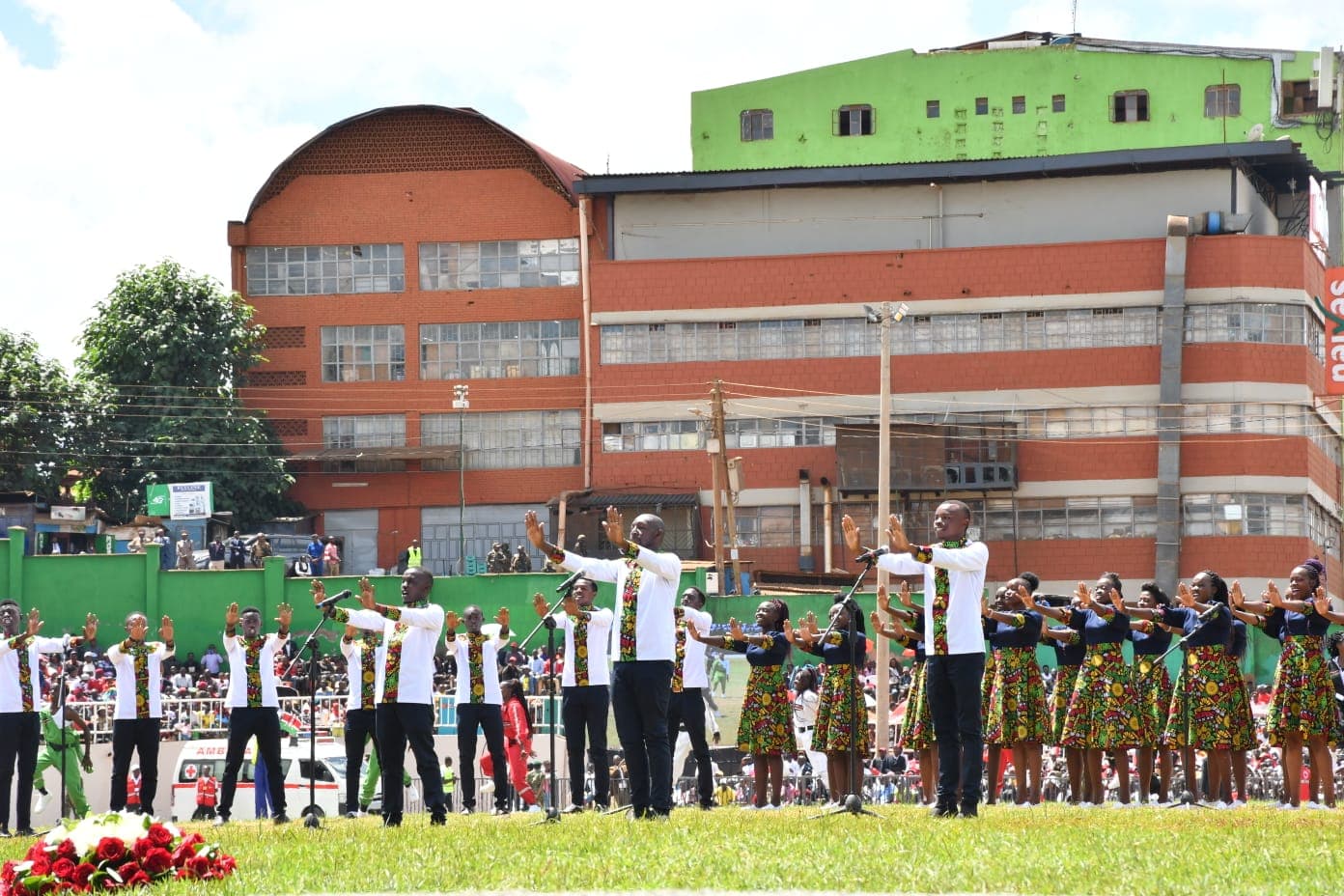
A thirst that has plagued Nairobi's western suburbs for decades is set to be quenched with a massive KES 3 billion infrastructure injection. The new deal, backed by French funding, promises to turn the taps on for over 300,000 residents in some of the city's most rapidly densifying estates.
For residents of Dagoretti, Kawangware, and Riruta, the sound of a dry tap hissing air is a daily soundtrack. Water rationing has been a way of life, with jerrycans and water bowsers forming a parallel economy. This narrative is set to change following the signing of a landmark contract for the Western Nairobi Water and Sewerage Project. The Athi Water Works Development Agency (AWWDA) has officially commissioned the Joint Venture of Zhongmei Engineering Group and Hunan Construction Investment to execute this ambitious overhaul, funded in partnership with the French Development Agency (AFD).
This project is not merely about laying pipes; it is a critical intervention in Nairobi's urban planning crisis. As the city expands westward, infrastructure has failed to keep pace with the explosion of high-rise apartments. This project aims to close that gap, ensuring that the "Concrete Jungle" has the lifeline it needs to survive.
The scope of the works is extensive, designed to address both the supply of clean water and the safe disposal of waste—a dual challenge in these populous neighborhoods. Eng. Joseph Kamau, CEO of AWWDA, emphasized that the project is built on the foundation of the Northern Collector Tunnel, leveraging increased bulk water availability to reach the end consumer.
Key components of the infrastructure upgrade include:
The beneficiaries of this project are at the core of Nairobi's workforce. Kawangware and Kangemi are vibrant economic hubs, yet they have suffered from the "poverty penalty," where low-income residents pay up to ten times more for water from vendors than residents in affluent neighborhoods pay for utility water. By regularizing supply, this project puts money back into the pockets of households. "If I don't have to buy three jerrycans at 50 shillings each every day, that is school fees for my child," says Mary Wanjiku, a resident of Kabiria.
The involvement of the French Development Agency (AFD) signals a continued European interest in Kenya's strategic infrastructure. The KES 3 billion (approx. €21 million) investment comes with strict stipulations on timelines and quality. The 24-month completion window is aggressive but necessary. The contractor, a Chinese joint venture, faces the pressure of delivering amidst a bustling urban environment where digging trenches often means disrupting traffic and businesses.
Eng. Kamau's directive was clear: "Our priority is disciplined implementation." Nairobians, weary of stalled projects and dusty excavations, will be watching closely. If successful, this project will serve as a blueprint for retrofitting infrastructure in other satellite towns like Ruaka and Syokimau.
For now, the signing of the contract is a promise. The real victory will be the day a child in Ngando turns on a tap and sees clear, clean water flow—not as a miracle, but as a norm.
Keep the conversation in one place—threads here stay linked to the story and in the forums.
Sign in to start a discussion
Start a conversation about this story and keep it linked here.
Other hot threads
E-sports and Gaming Community in Kenya
Active 9 months ago
The Role of Technology in Modern Agriculture (AgriTech)
Active 9 months ago
Popular Recreational Activities Across Counties
Active 9 months ago
Investing in Youth Sports Development Programs
Active 9 months ago