We're loading the full news article for you. This includes the article content, images, author information, and related articles.
Prominent lawyer Donald Kipkorir has publicly questioned the impartiality of the electoral commission, accusing its new chairperson of prematurely dismissing malpractice claims and risking a repeat of historical failures.
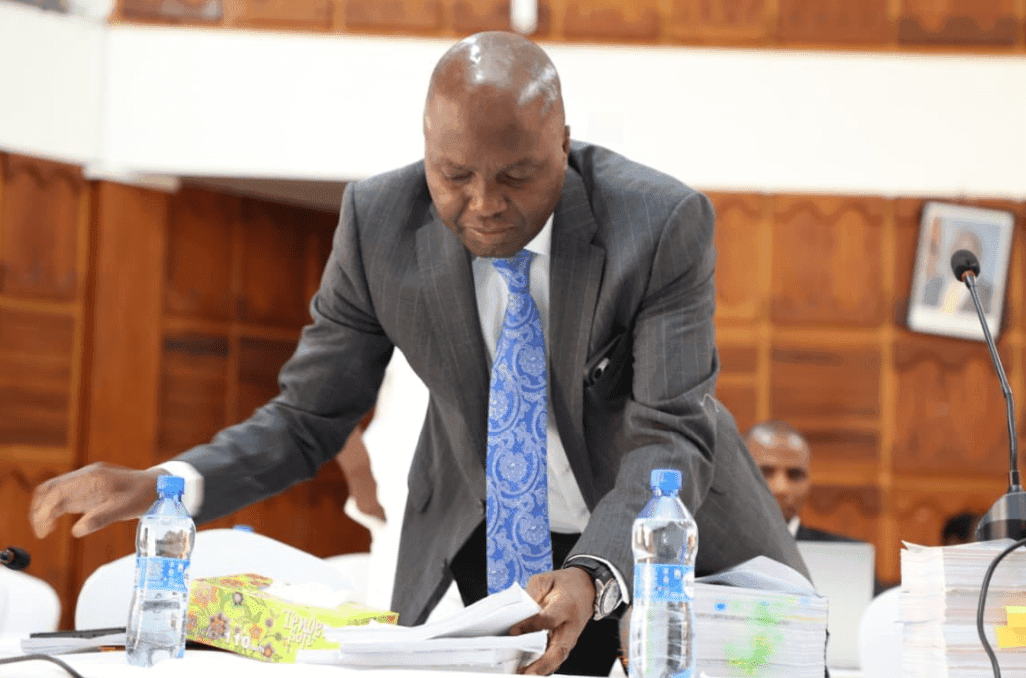
NAIROBI – Prominent city lawyer Donald Kipkorir has ignited a fresh debate on Kenya's electoral integrity, publicly criticising the Independent Electoral and Boundaries Commission (IEBC) Chairperson, Erastus Ethekon, for what he termed a “blanket denial” of malpractice claims in ongoing by-elections. The exchange escalates public scrutiny of the electoral body as it navigates a tense political climate and prepares for future polls, including the 2027 General Election.
In a statement posted on his social media on Thursday, November 27, 2025, Kipkorir warned that Chairperson Ethekon, who took office four months ago, risks becoming a “Little Kivuitu,” a pointed reference to former electoral officials accused of failing to safeguard the integrity of the vote. Kipkorir’s remarks were a direct response to Ethekon's recent assurances that no politician would manipulate the electoral process under his watch and that upcoming elections would be free of fraud.
“Every General Election and By-Election in Kenya has always been marred by allegations of voter bribery, state intimidation, and a spineless IEBC,” Kipkorir stated, referencing court decisions and inquiry reports. He argued that instead of outright denying the claims, the new chairperson should have committed to an investigation.
Kipkorir's comments land at a sensitive time for the IEBC, which is already contending with multiple integrity challenges. The commission is currently defending its handling of the Magarini Constituency by-election, also scheduled for November 27, against allegations of interference by senior officials. In a letter dated November 24, 2025, Democracy for the Citizens Party (DCP) leader Rigathi Gachagua accused a top commissioner of meddling in the by-election's preparations, demanding a full investigation.
The IEBC, through Chairperson Ethekon, acknowledged the concerns as “weighty” but assured all stakeholders that institutional safeguards were in place to ensure a credible poll. The commission stated that the recruitment of poll officials was transparent and that the list of selected officials was shared with political parties on November 14, 2025, for review.
These specific disputes add to a broader atmosphere of mistrust. The Supreme Court in September 2025 issued a stern warning to political leaders, cautioning that persistent actions undermining the IEBC could jeopardize the 2027 elections. The court highlighted that political wrangling over the appointment of commissioners had already stalled the commission's operations and eroded public confidence.
Kenya has a long and troubled history of disputed elections, which have often been marred by a lack of transparency, technological failures, and political interference. The 2007-2008 post-election violence remains a stark reminder of the consequences of a compromised electoral process. Subsequent reforms, including the adoption of the 2010 Constitution and the use of the Kenya Integrated Elections Management System (KIEMS), were intended to restore faith in the system. However, the nullification of the 2017 presidential election results by the Supreme Court underscored the persistent challenges in conducting elections that are, and are perceived to be, free and fair.
Civil society organizations and legal activists continue to play a crucial role in holding the electoral body accountable. Activist Okiya Omtatah recently filed a petition at the High Court seeking to dismantle the IEBC's National Tallying Center, arguing its role in verifying presidential results is unconstitutional and creates “avenues for manipulation.” This legal challenge, alongside another from the United Opposition, highlights the deep-seated legal and political battles over the country's electoral framework.
As the IEBC navigates these pressures, the public exchange between figures like Kipkorir and the commission's leadership will be critical in shaping public perception. The commission's ability to demonstrate independence and transparency in handling by-elections in Magarini and Mbeere North will be seen as a crucial test of its readiness to manage the high-stakes 2027 General Election. Further investigation is required to substantiate the specific claims of malpractice in the current by-elections.
Keep the conversation in one place—threads here stay linked to the story and in the forums.
Sign in to start a discussion
Start a conversation about this story and keep it linked here.
Other hot threads
E-sports and Gaming Community in Kenya
Active 9 months ago
The Role of Technology in Modern Agriculture (AgriTech)
Active 9 months ago
Popular Recreational Activities Across Counties
Active 9 months ago
Investing in Youth Sports Development Programs
Active 9 months ago
Key figures and persons of interest featured in this article