We're loading the full news article for you. This includes the article content, images, author information, and related articles.
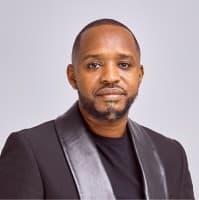
Boniface Mwangi calls for a ban on all private schools, arguing that forcing the elite to use public institutions is the only way to fix Kenya’s broken education system.

Activist Boniface Mwangi has thrown a grenade into the education sector, demanding the total abolition of private schools to force equality on the ruling class.
In a statement that has sent shockwaves through the leafy suburbs, the presidential hopeful argues that as long as the rich can buy superior education, the public system will remain a shambles. His proposal is simple yet revolutionary: if the Cabinet Secretary’s child has to sit on a dusty floor in a public school, that school will be fixed before the sun sets.
Mwangi’s argument strikes at the heart of Kenya’s class divide. "We have created an educational apartheid," Mwangi declared. "One system for the masters, and another for the servants." He points out that private academies shield the political elite from the consequences of their own incompetence. While public schools grapple with a lack of desks, teachers, and toilets, private institutions offer swimming pools and international curriculums.
This dual system, he argues, perpetuates a cycle where the children of the rich inherit power, and the children of the poor inherit poverty. By banning private education, Mwangi believes the entire nation would be forced to invest in the public sector, raising the standard for everyone.
Critics have been quick to dismiss the idea as populist rhetoric, citing the collapse of the sector if private capital is withdrawn. However, Mwangi remains unmoved.
This stance is a high-stakes gamble for Mwangi. While it resonates deeply with the struggling masses in the slums and rural areas, it alienates the middle class—a key voting bloc that values the choice private schools offer. Yet, true to his brand, Mwangi is not looking for the safe middle ground.
"They will call me crazy," Mwangi added. "But it is crazier to accept a system where a child's future is decided by their father's wallet." As the 2027 conversation heats up, Mwangi is making it clear: he is coming for the comfort of the privileged.
Keep the conversation in one place—threads here stay linked to the story and in the forums.
Sign in to start a discussion
Start a conversation about this story and keep it linked here.
Other hot threads
E-sports and Gaming Community in Kenya
Active 9 months ago
The Role of Technology in Modern Agriculture (AgriTech)
Active 9 months ago
Popular Recreational Activities Across Counties
Active 9 months ago
Investing in Youth Sports Development Programs
Active 9 months ago
Key figures and persons of interest featured in this article