We're loading the full news article for you. This includes the article content, images, author information, and related articles.
A groundbreaking study in rural Kilifi is deploying community health workers to fight the 'silent killer,' transforming detection and care for hundreds like 61-year-old Kupata Kenga.
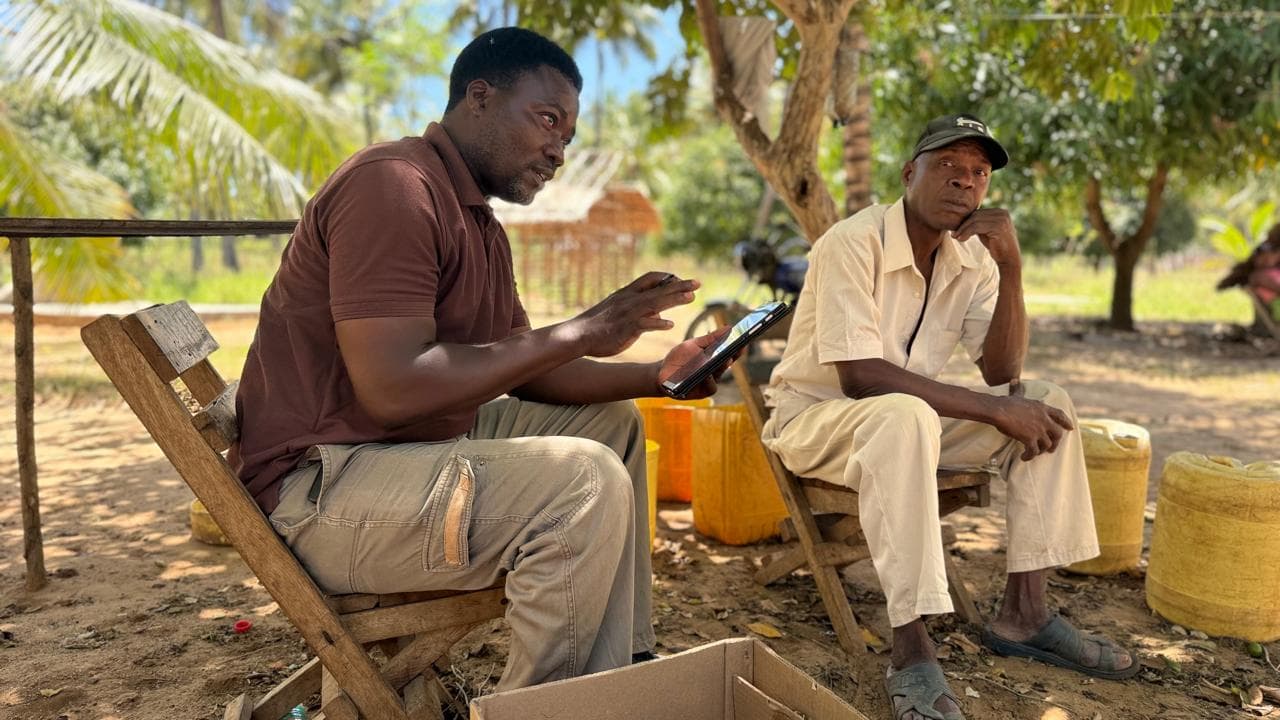
Under a tree in his Matsangoni compound, 61-year-old Kupata Kenga now welcomes his monthly health check-up. Just months ago, the father of six felt perfectly healthy, unaware he was living with dangerously high blood pressure. “I was honestly very okay; I felt my body was doing great,” Kenga recalled, describing the shock of his diagnosis during a community screening.
Kenga’s story highlights a critical challenge for Kenya: the quiet epidemic of hypertension. With nearly one in four Kenyan adults affected, and many unaware of their condition, the disease is a leading cause of stroke, heart failure, and kidney disease. This initiative in Kilifi is testing a simple but powerful idea: can trusted, local health promoters succeed where clinics have struggled, by taking healthcare directly to the people?
The project, known as Improving Hypertension Control in Rural Sub-Saharan Africa (IHCOR), is a collaborative effort led by the KEMRI-Wellcome Trust. Every month, Community Health Promoter (CHP) Cavalasco Charo travels three kilometres to Kenga's home, equipped with a digital tablet and blood pressure cuff. “Charo is a very good friend of mine; we talk a lot,” Kenga noted of the routine.
This community-first model is vital in regions where awareness is low. Ruth Lucinde, a researcher with the study, explained that initial participation was slow. “Many people did not see the need to get tested,” she said. “But after awareness campaigns...they willingly volunteered.” The trust built by CHPs like Charo is proving essential to bridging this gap.
The fight against hypertension is a national priority, as non-communicable diseases (NCDs) place a heavy burden on families and the healthcare system. The problem is particularly acute in rural areas, where access to screening is limited and awareness can be lower. Studies show that while hypertension was once considered an urban issue, its prevalence in some rural counties is now slightly higher.
The statistics underscore the urgency:
For Kenga, the diagnosis has forced a reckoning with lifelong habits. Once a renowned coconut harvester who smoked a pack of cigarettes daily and drank heavily, he is now embracing lighter work and a healthier lifestyle. His progress is a testament to the power of consistent, personalized health coaching.
As the IHCOR study continues to gather data, its findings, expected in late 2025, could provide a blueprint for scaling up this community-led model across Kenya. It represents a shift towards proactive, preventative care—a change that could save countless lives from a disease that too often goes unnoticed until it's too late.
Keep the conversation in one place—threads here stay linked to the story and in the forums.
Sign in to start a discussion
Start a conversation about this story and keep it linked here.
Other hot threads
E-sports and Gaming Community in Kenya
Active 9 months ago
The Role of Technology in Modern Agriculture (AgriTech)
Active 9 months ago
Popular Recreational Activities Across Counties
Active 9 months ago
Investing in Youth Sports Development Programs
Active 9 months ago



