We're loading the full news article for you. This includes the article content, images, author information, and related articles.
As Kenya's tourism sector rebounds, urgent calls are mounting for a paradigm shift towards community-centric models that ensure the economic benefits of the multi-billion shilling industry are equitably shared with the populations living alongside the nation's prime attractions.
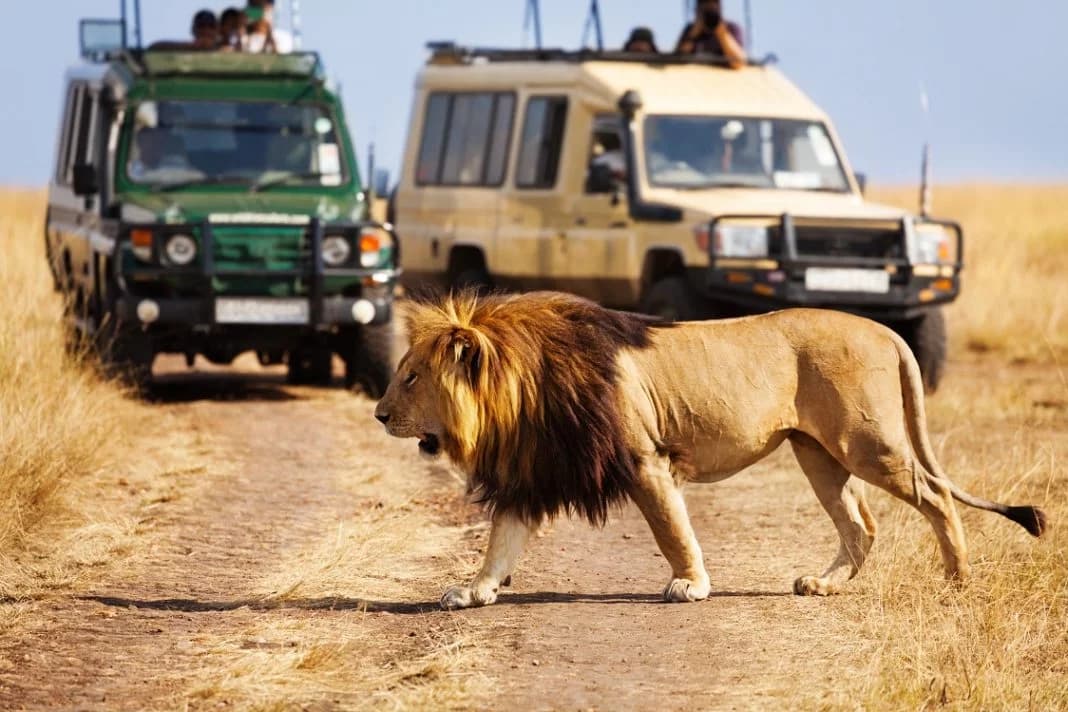
NAIROBI, KENYA - As Kenya’s tourism industry celebrates a significant revenue surge, a critical conversation is gaining momentum: ensuring the financial windfall translates into tangible benefits for the local communities who are the custodians of the country's natural and cultural heritage. Stakeholders across the board are advocating for a fundamental shift from traditional tourism models to more inclusive, community-based approaches that prioritize local empowerment, economic equity, and sustainable conservation.
The sector's economic prowess is not in doubt. In 2024, tourism revenues reached a remarkable Sh460 billion, a substantial increase from Sh352.5 billion in 2023. Dr. Erustus Kanga, the Director-General of the Kenya Wildlife Service (KWS), highlighted that wildlife tourism was the primary driver, accounting for approximately 75%, or Sh345 billion, of the total earnings. Yet, despite these impressive figures, a persistent challenge remains: the significant economic leakage and the inequitable distribution of these revenues. Experts estimate that for many developing nations, a substantial portion of tourism income—between 40% and 50% for small economies—flows out to foreign-owned companies, airlines, and for the importation of goods, limiting the impact on local economies.
In response to these disparities, there is a growing push for community-based tourism (CBT), a model where local residents have direct ownership and management of tourism enterprises. This approach is designed to ensure that a larger share of the revenue remains within the community, funding essential services like education, healthcare, and infrastructure. Proponents argue that when communities directly benefit from tourism, they are more likely to become active participants in conservation efforts, protecting the very resources that attract visitors. This symbiotic relationship is crucial, especially since an estimated 65% of Kenya's wildlife resides outside of nationally protected parks and reserves, on community or private lands.
Several successful examples across Kenya illustrate the potential of this model. Community conservancies, such as those in the Maasai Mara and Laikipia, have demonstrated how partnerships between local landowners and tourism operators can lead to sustainable livelihoods and effective wildlife conservation. These conservancies generate income for local families through land lease payments and create employment opportunities for community members as rangers, guides, and lodge staff. Projects like the Kilifi Eco-Lodge also showcase how tourism can support the preservation of cultural heritage by offering tours that feature local crafts and traditions.
Recognizing the need for a more structured approach, the Kenya Wildlife Service is championing a new revenue-sharing model. KWS has proposed that 10% of the total tourism earnings be allocated directly to local communities. Dr. Kanga described this initiative as providing a sustainable source of funding that communities could use for bursaries, water infrastructure, and the fencing of wildlife corridors to mitigate human-wildlife conflict. This proposal aligns with the national government's broader policy direction, which emphasizes the importance of community participation in the tourism sector.
Despite the clear benefits and growing support for community-based tourism, significant hurdles remain. Challenges include a lack of a unified policy framework to guide community participation, insufficient investment in local enterprises, and the dominance of foreign-owned entities in the tourism value chain. Furthermore, issues such as inadequate infrastructure in remote areas and the need for more robust training and capacity building for local communities can limit their ability to fully participate in and benefit from the tourism sector.
Addressing these challenges requires a concerted effort from both the government and the private sector. This includes creating a more favorable investment climate for local entrepreneurs, developing standardized regulations for community-based tourism, and ensuring that national tourism strategies explicitly prioritize equitable benefit-sharing. As Kenya continues to market itself as a premier global destination, the long-term sustainability and success of its tourism industry will increasingly depend on its ability to ensure that the prosperity it generates is shared by all, especially the communities who live at the heart of the Kenyan experience.
Keep the conversation in one place—threads here stay linked to the story and in the forums.
Sign in to start a discussion
Start a conversation about this story and keep it linked here.
Other hot threads
E-sports and Gaming Community in Kenya
Active 9 months ago
The Role of Technology in Modern Agriculture (AgriTech)
Active 9 months ago
Popular Recreational Activities Across Counties
Active 9 months ago
Investing in Youth Sports Development Programs
Active 9 months ago