We're loading the full news article for you. This includes the article content, images, author information, and related articles.
A wave of disappearances in communities like Eldoret has exposed the chilling reality of organized child trafficking, leaving families in anguish and forcing a national reckoning.
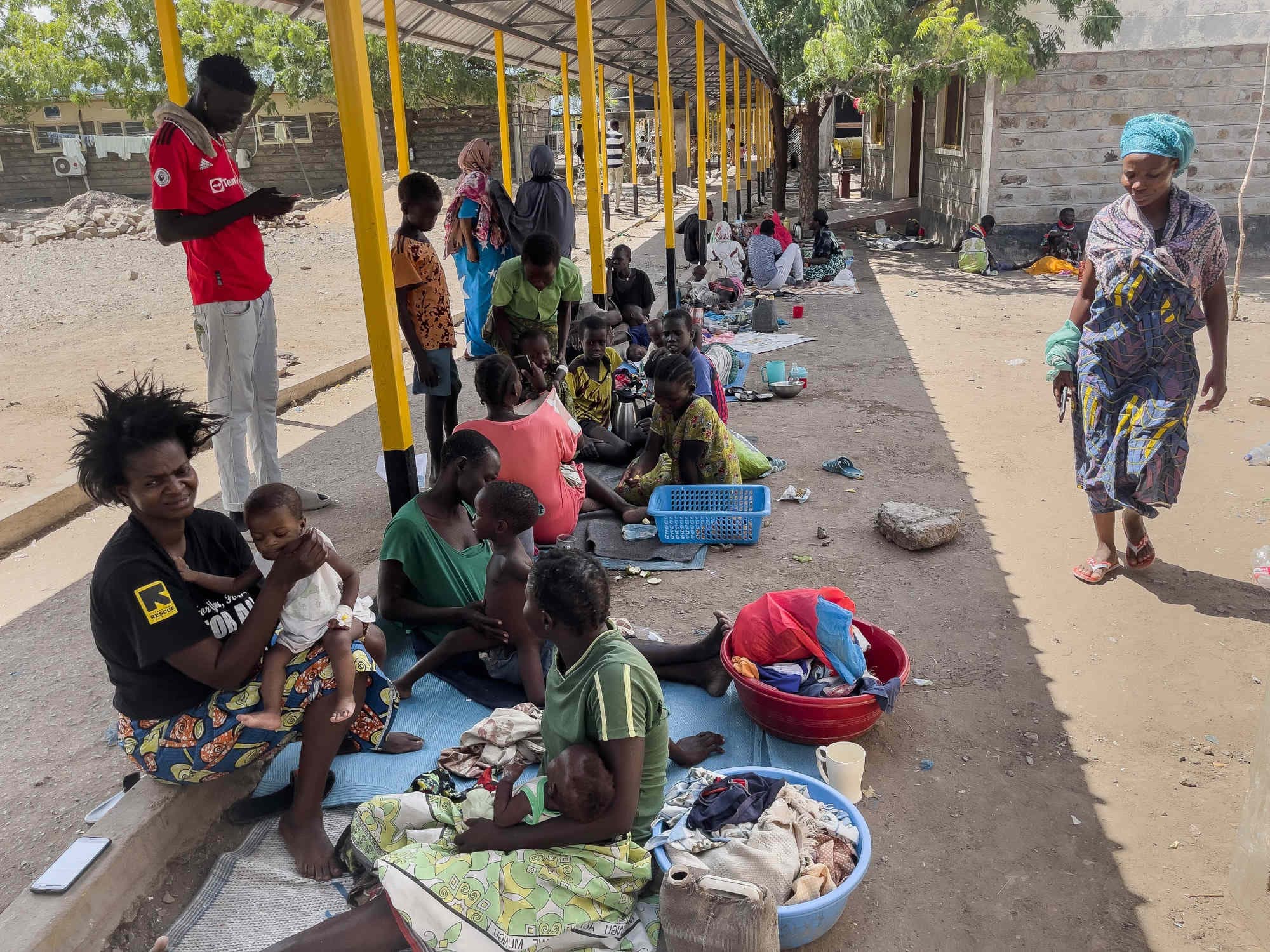
Nearly eighteen times a day, a Kenyan family is plunged into a nightmare as a child vanishes without a trace. This harrowing statistic is the grim backdrop to a growing crisis forcing its way into the public consciousness, from the bustling informal settlements of Nairobi to quiet neighbourhoods in Eldoret.
The issue is not just the disappearances, but the organized criminal syndicates behind them and the profound impact on the nation's sense of security. For every family, the question is stark: how do we protect our children from being stolen and sold, and who can we trust to bring them home?
In Eldoret's Langas neighbourhood, fear has become a constant companion. At least three minors have recently vanished, their absence leaving a gaping wound in the community. One mother, whose only child was taken while playing outside, recounted receiving cruel calls from individuals demanding a ransom of KES 3,000 to return her son—a demand that turned out to be a hoax. Another keeps her 10-year-old daughter's schoolbooks in the living room, a painful monument to the hope that she might one day return.
These are not isolated incidents. According to the Child Protection Information Management System, a staggering 6,841 children were reported missing between July 2022 and May 2023, with only 1,296 ever reunited with their families. This data paints a portrait of a national crisis where children are exposed to unimaginable dangers, including sexual violence, drug abuse, and forced labour.
While the pain is local, the criminal networks are extensive. The Directorate of Criminal Investigations (DCI) has intensified its efforts, confronting a complex web of trafficking that spans the country and crosses borders.
These successes highlight the dedicated work of units like the AHTCPU, which was established to spearhead investigations into crimes against children. Yet, the scale of the problem remains immense. The 2025 Trafficking in Persons (TIP) Report by the U.S. State Department acknowledges Kenya's significant efforts but keeps the country on a 'Tier 2' watch list. The report notes an increase in investigations and prosecutions but warns that official complicity continues to hinder progress and that protection services for victims remain limited.
Stepping into the breach are non-governmental organizations that have become a critical lifeline for desperate families. Groups like Missing Child Kenya have been instrumental, reportedly helping to reunite over 1,000 children with their families since 2016 through social media campaigns and a network of volunteers. These organizations often provide the support and investigative legwork that overstretched police forces cannot.
The government has allocated KES 20 million (approx. $155,220) to a fund for assisting trafficking victims, but the challenge is vast. For now, the fight to protect Kenya's children is being waged not only by detectives in the shadows but by ordinary citizens and civil society groups refusing to let the missing be forgotten.
As the DCI vows to deploy maximum force against these trafficking rings, communities remain on high alert. The ultimate goal is not just to bust the criminal rings, but to dismantle the conditions of poverty and vulnerability that allow them to flourish, ensuring every child's future is safe.
Keep the conversation in one place—threads here stay linked to the story and in the forums.
Sign in to start a discussion
Start a conversation about this story and keep it linked here.
Other hot threads
E-sports and Gaming Community in Kenya
Active 9 months ago
The Role of Technology in Modern Agriculture (AgriTech)
Active 9 months ago
Popular Recreational Activities Across Counties
Active 9 months ago
Investing in Youth Sports Development Programs
Active 9 months ago