We're loading the full news article for you. This includes the article content, images, author information, and related articles.
**NAIROBI** – For Kenyan women who marched against femicide, the streets were only the first frontline. A vicious, coordinated wave of digital misogyny followed, turning social media into a new battlefield where their bodies and voices are under siege.
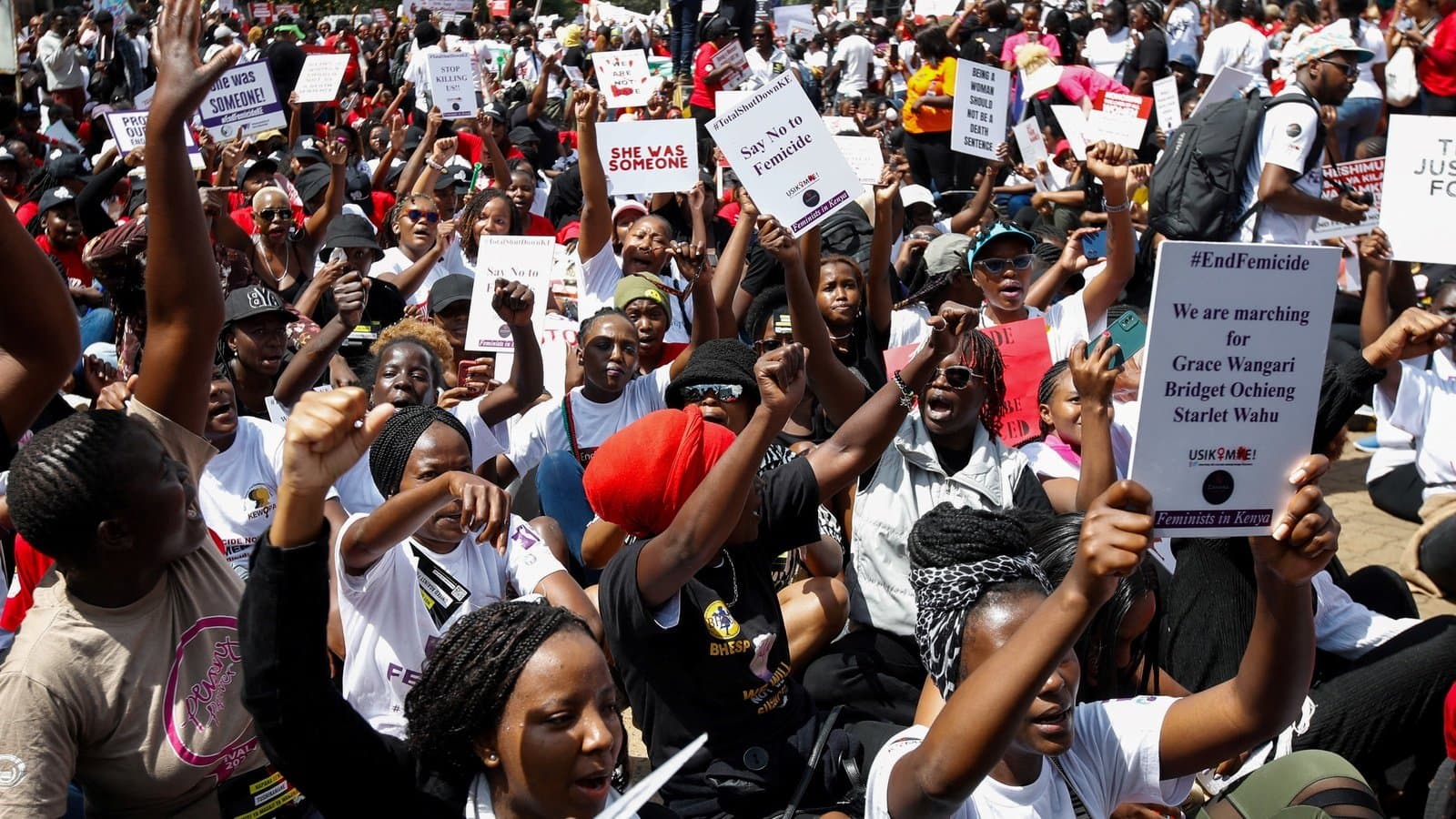
When human rights defender Rachael Mwikali joined thousands of Kenyans protesting the brutal killing of women, she expected her voice to be heard. What she didn't anticipate was the deluge of online hate that would follow, a stark reminder that in Kenya, the war against women is waged both on the streets and on screens.
The nationwide anti-femicide protests of 2024 and 2025 were a watershed moment, galvanizing citizens against a surge in gender-based violence. Yet for the women who participated, this public stand triggered a deeply personal and coordinated digital backlash. Activists became the targets of vicious online attacks, including body-shaming, AI-generated sexual images, and targeted harassment on platforms like X (formerly Twitter), TikTok, and Facebook. “Women’s bodies have become the battlefield for all forms of violence,” Mwikali noted during a recent forum.
This wave of technology-facilitated gender-based violence (TFGBV) is not random; it is a calculated effort to silence and intimidate. A report by Amnesty International Kenya confirmed that young women activists involved in recent protests faced coordinated troll attacks and persistent misogynistic narratives. This digital abuse is a direct reflection of the deeply entrenched gender inequality offline. “Online violence is a manifestation of the offline violence we have normalised,” explained Leticia Mwavishi of Fida-Kenya, an organization of women lawyers.
The consequences are severe and multifaceted, inflicting psychological, social, and economic harm. Survivors report feelings of fear, shame, and anxiety, with many forced to self-censor or withdraw from public online life entirely. This silencing of women's voices is a direct threat to their participation in the country's civic and political discourse.
While Kenya has laws like the Computer Misuse and Cybercrimes Act of 2018, their enforcement is weak and inconsistent. Survivors often face dismissal from law enforcement, a lack of awareness of reporting mechanisms, and a legal system struggling to keep pace with evolving digital crimes. This creates a climate of impunity that emboldens perpetrators.
The rise of the online 'manosphere' in Kenya further fuels the problem, promoting misogynistic ideologies that frame women's empowerment as a threat to men. This digital patriarchy provides social consent for the very violence women are protesting. The fight against femicide is therefore intrinsically linked to the battle against the online hate that seeks to justify it.
Advocacy groups are calling for urgent, multi-stakeholder action. Their demands include stronger accountability from tech companies, better enforcement of existing laws, and increased digital literacy to empower women. The State Department of Gender has announced it is developing a digital tool for reporting online abuse, a step activists hope will lead to more concrete data-driven interventions. As Rachael Mwikali insists, calling out digital misogyny is not a distraction from the femicide crisis. “The violence women face online mirrors the violence they face in real life.”
Keep the conversation in one place—threads here stay linked to the story and in the forums.
Sign in to start a discussion
Start a conversation about this story and keep it linked here.
Other hot threads
E-sports and Gaming Community in Kenya
Active 9 months ago
The Role of Technology in Modern Agriculture (AgriTech)
Active 9 months ago
Popular Recreational Activities Across Counties
Active 9 months ago
Investing in Youth Sports Development Programs
Active 9 months ago