We're loading the full news article for you. This includes the article content, images, author information, and related articles.
A devastating convergence of surging HIV infections, stubbornly high teenage pregnancies, and rampant sexual violence is derailing the potential of a generation, with profound economic and social costs for the nation.
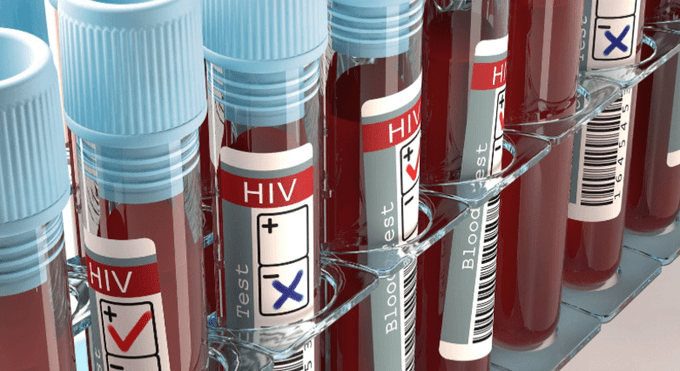
Kenya is confronting a profound crisis threatening its most vital asset: its youth. A perfect storm of new HIV infections, persistent teenage pregnancies, and escalating sexual and gender-based violence—dubbed the 'triple threat'—is systematically dismantling the futures of young Kenyans across the country.
This is not merely a health issue; it is a direct threat to Kenya's economic stability and future prosperity. The triple threat erodes human capital, strains the healthcare system, and perpetuates a cycle of poverty that could undermine the nation's development goals for decades to come. The crisis demands immediate and decisive action, as the very foundation of the country's future workforce and leadership is at stake.
Recent data paints a grim picture. In the past year, Kenya registered nearly 20,000 new HIV infections, with adolescents and young people accounting for a staggering one-third of these cases. Douglas Bosire, the acting CEO of the National Syndemic Diseases Control Council (NSDCC), noted with concern that youths aged 15-24 represent 41% of all new HIV infections. “If we ignore one piece of that knot, the rest tightens,” Bosire warned, highlighting the interconnected nature of these challenges.
Young women and girls bear the heaviest burden. While there has been a slight national decline, teenage pregnancy rates remain critically high. In 2023, there were 254,753 reported adolescent pregnancies, which translates to an average of 698 per day. This crisis has a direct economic impact, often forcing girls to drop out of school and limiting their lifetime earning potential. A World Bank report confirms that teenage mothers are less likely to complete their education, trapping them and their children in intergenerational poverty.
This vulnerability is dangerously exploited, with sexual and gender-based violence (SGBV) closely linked to both new HIV infections and early pregnancies. Survivors often hesitate to report their experiences due to stigma and fear, yet the violence significantly increases their risk of contracting HIV. The economic cost of this violence is staggering, with a recent task force finding that GBV drains Kenya's economy of Sh41 billion (approx. $315 million) annually through healthcare costs and lost productivity.
Behind the statistics are shattered lives and derailed dreams. “I felt I was not ready and could not do it,” says Annette Kirimi, who became pregnant at 19 and struggled with the sudden transition to motherhood. For others, like 28-year-old youth advocate Christopher Amuyunzu, who was born with HIV, the journey has been marked by stigma and depression. These personal stories underscore a generation grappling with challenges that affect their mental health, education, and ability to secure a livelihood.
The government has acknowledged the severity of the crisis. In February 2024, a comprehensive plan was launched to end the 'Triple Threat' by 2027. Dr. Ouma Oluga, Principal Secretary for Medical Services, has emphasized that the solution must be youth-centered. “Young people are not just beneficiaries; they are key stakeholders and co-creators of health solutions,” Dr. Oluga stated at a recent youth forum. He stressed that the response must be holistic, addressing mental health, poverty, and stigma alongside the core health issues.
The path forward requires more than policy pronouncements; it demands a societal shift. It requires empowering youth with comprehensive sexual education, ensuring access to youth-friendly health services, and enforcing laws to protect the vulnerable. As Christopher Amuyunzu, who now advocates for HIV awareness, advises, “I’d like to encourage young people to accept their HIV status and live a full life.” His resilience offers a powerful reminder that with the right support, a generation at risk can still forge a healthier, more prosperous future for all of Kenya.
Keep the conversation in one place—threads here stay linked to the story and in the forums.
Sign in to start a discussion
Start a conversation about this story and keep it linked here.
Other hot threads
E-sports and Gaming Community in Kenya
Active 9 months ago
The Role of Technology in Modern Agriculture (AgriTech)
Active 9 months ago
Popular Recreational Activities Across Counties
Active 9 months ago
Investing in Youth Sports Development Programs
Active 9 months ago



