We're loading the full news article for you. This includes the article content, images, author information, and related articles.
As the world celebrates love, Kenya’s floriculture sector solidifies its global dominance with a billion-shilling export boom.
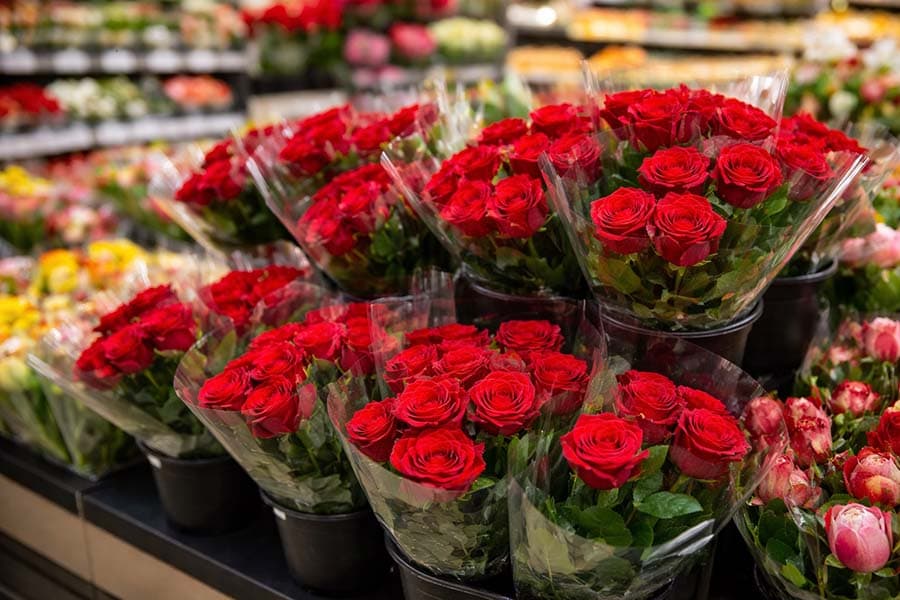
Millions of Kenyan roses are currently traversing the globe, their vibrant petals destined to express love in foreign lands while injecting billions of shillings into the local economy.
Valentine’s Day is not merely a cultural celebration but the economic lifeblood of Kenya’s floriculture industry. The seamless execution of this logistical marvel underscores the country’s dominance in the global market and its vital role in sustaining livelihoods across the Rift Valley. As the world pauses to celebrate romance, Kenya is hard at work, proving once again that it is the beating heart of the global flower trade.
The statistics are staggering. In 2024, the sector generated approximately 92 billion Kenyan Shillings in export earnings, accounting for over 6 per cent of the world’s total flower exports. This week alone, thousands of tonnes of roses have been airlifted from Jomo Kenyatta International Airport, bound for the auction houses of the Netherlands and supermarkets across the UK and Germany.
This operation requires military-grade precision. Growers, exporters, and cargo handlers work in perfect synchronization to ensure the "cold chain" remains unbroken. A delay of just a few hours can compromise the quality of the blooms, rendering them unsellable. "Reliability in this peak season is built months in advance," notes a trade official, highlighting the sophisticated planning that underpins the industry’s success.
Beyond the romance, the flower industry is a critical employer. It directly supports over 200,000 jobs, with women making up a significant portion of the workforce. Indirectly, it sustains nearly two million livelihoods. Towns like Naivasha and Thika have been transformed by this "green gold," with infrastructure and services springing up to support the flower farms.
The government is acutely aware of the sector’s strategic importance. The Ministry of Trade is actively working to secure duty-free access to markets and improve logistics. The recent Economic Partnership Agreement with the EU is a testament to these efforts, ensuring that Kenyan roses remain competitive against rivals from South America.
In a world increasingly conscious of its carbon footprint, Kenya has turned sustainability into a selling point. Unlike European growers who rely on energy-intensive heated greenhouses, Kenya’s equatorial sun provides natural warmth. This gives Kenyan roses a lower carbon footprint, a fact that is resonating with eco-conscious consumers in the West.
As the sun sets on another Valentine’s Day, the flower farms of Naivasha are already planning for the next peak season. For Kenya, the business of love is a serious affair, driving innovation, employment, and national pride on a global scale.
Keep the conversation in one place—threads here stay linked to the story and in the forums.
Other hot threads
E-sports and Gaming Community in Kenya
Active 9 months ago
The Role of Technology in Modern Agriculture (AgriTech)
Active 9 months ago
Popular Recreational Activities Across Counties
Active 9 months ago
Investing in Youth Sports Development Programs
Active 9 months ago
Key figures and persons of interest featured in this article