We're loading the full news article for you. This includes the article content, images, author information, and related articles.
Ahmednassir Abdullahi warns that Kenya’s dual judicial bids for ICC and ICJ seats could backfire, questioning the strategy’s feasibility and political cost.

Senior Counsel Ahmednassir Abdullahi has issued a pointed rebuke regarding the Kenyan government’s parallel pursuit of high-stakes positions at the International Criminal Court and the International Court of Justice. The move, he argues, threatens to dilute the nation’s diplomatic capital and exposes a fundamental misunderstanding of the realities governing international judicial appointments.
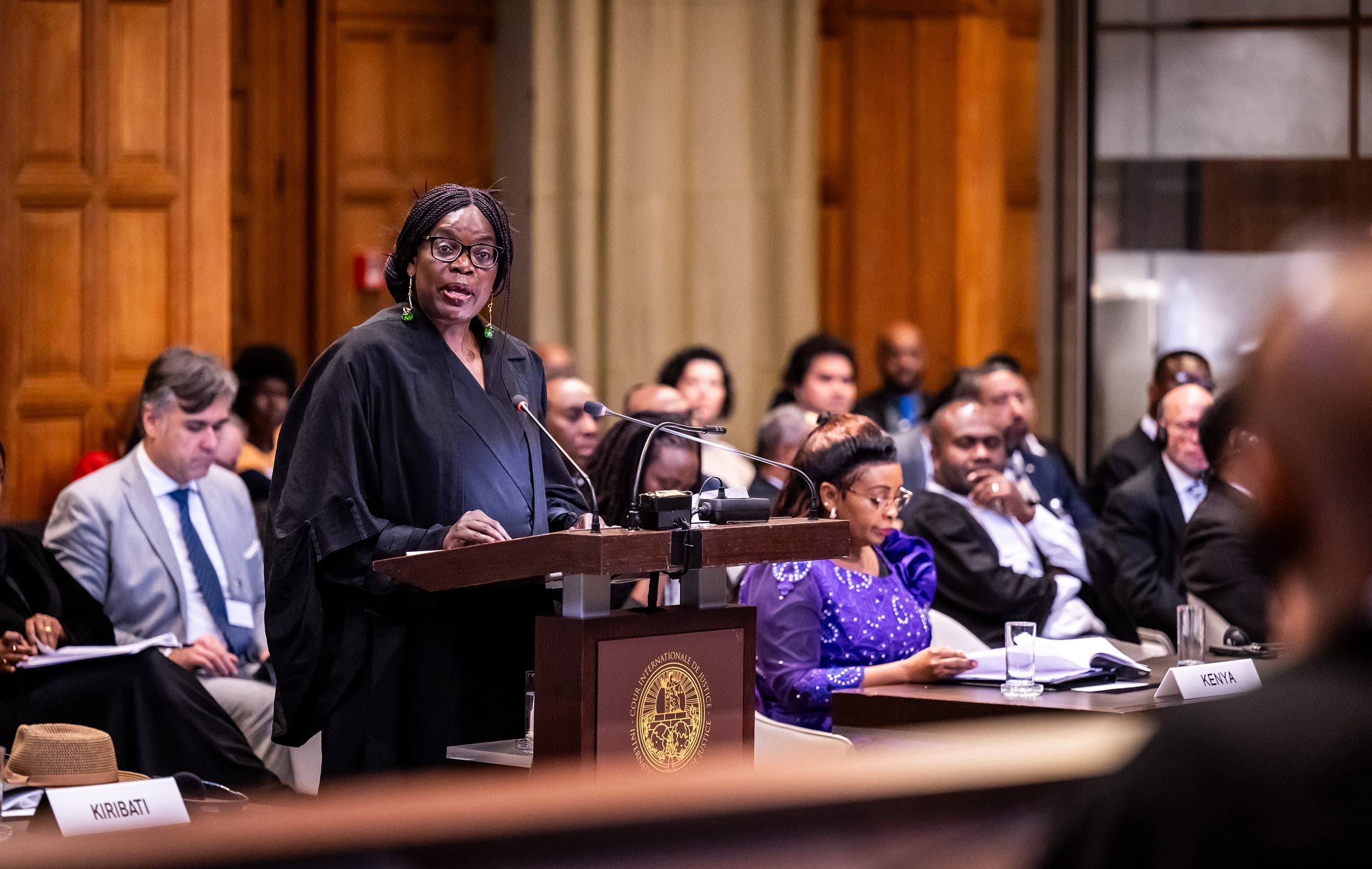
The criticism arrives at a critical juncture in Kenya’s foreign policy, where the administration is betting heavily on its influence within international legal bodies. At the heart of the matter lies the simultaneous push to secure seats for nominees at two of the world’s most prestigious—and politically sensitive—judicial institutions. This ambitious dual strategy, championed by the Ministry of Foreign Affairs, has ignited a fierce debate about resource allocation, diplomatic focus, and the realistic prospects of achieving success in both arenas simultaneously.
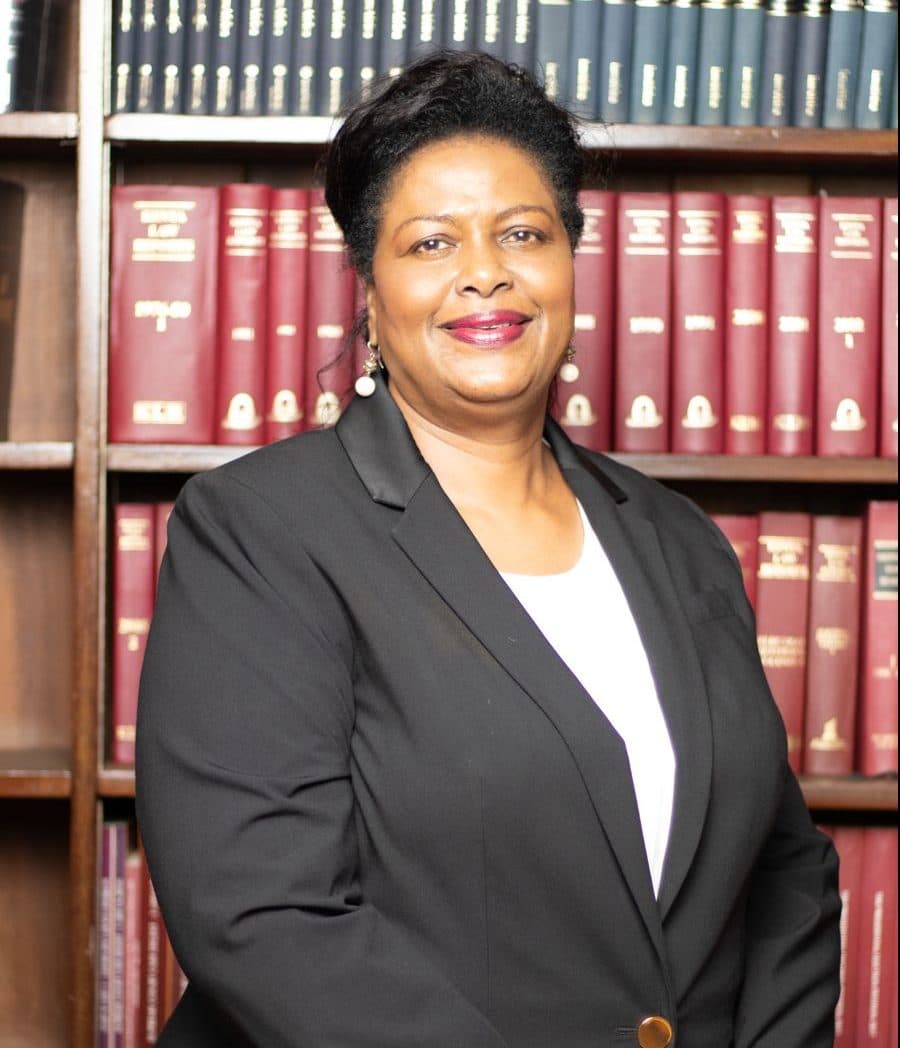
Kenya’s diplomatic machinery is currently navigating the complexities of securing international support for candidates poised to represent the nation on the global stage. This push involves the nomination of high-profile legal experts, including Njoki Ndung'u and Phoebe Okowa, for significant roles. However, Abdullahi contends that the strategy is fundamentally flawed. In his analysis, the government is failing to account for the finite nature of international goodwill, effectively forcing allies to choose between Kenyan candidates rather than rallying behind a single, prioritized agenda.
For a country that has historically maintained a complex and often strained relationship with the International Criminal Court, the bid to place a Kenyan candidate in a position of influence there is particularly charged. Critics argue that such moves require a level of diplomatic finesse that, if miscalculated, could result in dual losses that undermine Kenya’s standing in international law circles for years to come.
International judicial elections are not merely meritocratic contests they are deeply political exercises requiring aggressive lobbying, trade-offs, and the building of regional and global coalitions. The resources required to mount these campaigns are substantial, both in terms of financial expenditure and the diversion of the diplomatic corps’ energy.
The Ministry of Foreign Affairs, under the guidance of Korir Sing’oei, has defended these bids as a testament to Kenya’s growing influence and its commitment to contributing to global jurisprudence. Proponents suggest that Kenya, as a regional leader, has a responsibility to occupy these spaces. Yet, the skepticism voiced by legal minds like Abdullahi suggests that the government may be conflating national prestige with strategic feasibility.
Legal analysts note that the complexity of these campaigns cannot be overstated. A seat at the International Court of Justice requires the endorsement of the United Nations General Assembly and the Security Council, a process that is as much about geopolitical alignment as it is about judicial temperament. Similarly, the International Criminal Court elections rely on the Assembly of States Parties, where Kenya’s history of engagement remains a focal point for member nations.
Professor of International Law at the University of Nairobi, who requested anonymity due to the sensitive nature of the ongoing diplomatic processes, emphasized that the perception of greed in international politics can be lethal. If the global community perceives that a nation is overreaching—or worse, that it is treating these vital judicial seats as trophies of national pride rather than service-oriented roles—support typically evaporates. The challenge for the Foreign Office is to convince the international community that these dual nominations are complementary rather than conflicting.
This situation highlights a recurring theme in Kenya’s modern statecraft: the tension between domestic political branding and the demands of international diplomacy. Every failed campaign at the international level carries a cost beyond the financial. It signifies a reduction in bargaining power for future initiatives, be they trade agreements, development loans, or climate change negotiations. When a state expends significant capital and political favors for an outcome that does not materialize, the deficit is felt across the entire spectrum of its external relations.
Furthermore, the internal focus on these bids may inadvertently distract from domestic judicial reforms. Critics argue that while the government spends considerable energy attempting to place its preferred candidates in The Hague, it must not lose sight of the primary obligation to bolster the independence and efficiency of the local judiciary. There is a palpable fear that the gloss of international appointments may mask stagnation at home, creating an optics-driven policy environment that ignores the grassroots realities of the Kenyan justice system.
As the election cycles draw closer, the pressure on the government will only intensify. The administration must decide whether to continue this aggressive dual-track strategy or recalibrate its approach to ensure that at least one of its ambitions bears fruit. For now, the warning from Senior Counsel Abdullahi stands as a stark reminder that in the arena of international justice, ambition without precise, unified strategy is often merely an invitation to defeat.
Whether the government chooses to pivot or press forward, the outcome of these bids will serve as a bellwether for Kenya’s diplomatic maturity. Does the nation possess the strategic patience to play the long game, or is it destined to sacrifice its influence on the altar of immediate, albeit potentially unattainable, aspirations?
Keep the conversation in one place—threads here stay linked to the story and in the forums.
Sign in to start a discussion
Start a conversation about this story and keep it linked here.
Other hot threads
E-sports and Gaming Community in Kenya
Active 10 months ago
Popular Recreational Activities Across Counties
Active 10 months ago
The Role of Technology in Modern Agriculture (AgriTech)
Active 10 months ago
Investing in Youth Sports Development Programs
Active 10 months ago
Key figures and persons of interest featured in this article