We're loading the full news article for you. This includes the article content, images, author information, and related articles.
Kiharu MP Ndindi Nyoro has sounded the alarm over the government's plan to sell its stake in Safaricom, warning of an KES 80 billion loss.

Kiharu MP Ndindi Nyoro has sounded the alarm over the government's plan to sell its stake in Safaricom, warning of an KES 80 billion loss and accusing "insiders" of orchestrating a fire sale of the family silver.
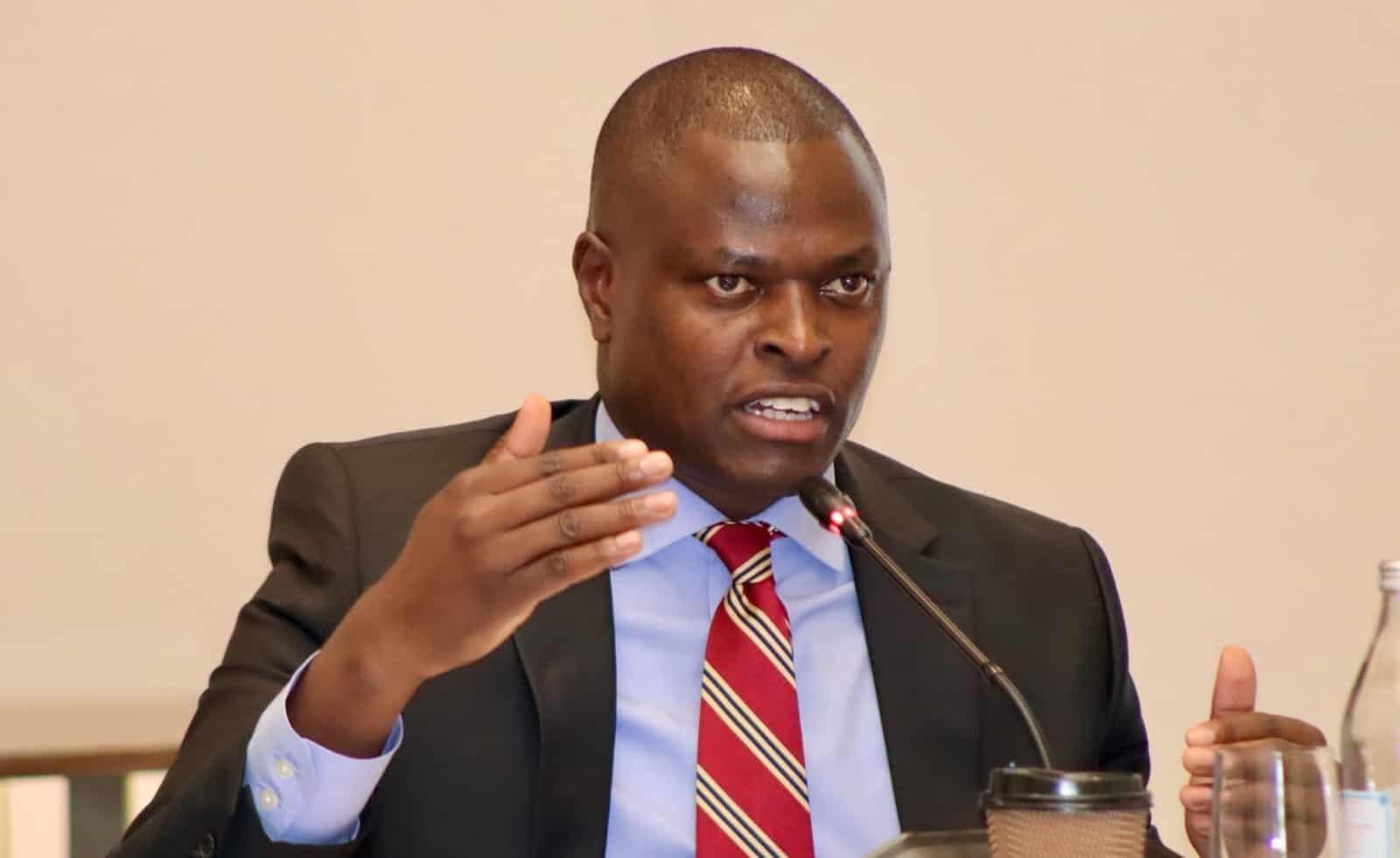
In the high-stakes poker game of state privatization, Ndindi Nyoro has thrown his cards on the table. The outspoken Kiharu MP and Chair of the Budget Committee is leading a rebellion against the government's proposal to offload a significant chunk of its shareholding in Safaricom, the region's most profitable company. Nyoro's message to the Treasury is simple and brutal: "Stop the sale."
The bone of contention is the price. The government, eager to plug its budget deficit, is reportedly considering selling the shares at around KES 34 per share. Nyoro argues this is a "throwaway price." "We should not be discussing anything below KES 45 per share," he thundered before the Joint Committee on Finance and Privatization. He calculates that selling at the current proposed rate would cost the taxpayer a staggering KES 80 billion in lost value. "We have been held hostage by the buyer," he claimed, suggesting that the state is negotiating from a position of desperation rather than strength.
Nyoro raised a critical point about "information asymmetry." He noted that the prospective buyer—widely believed to be an existing major shareholder or a consortium linked to them—already has representation on the Safaricom board. "They know the company better than the seller," Nyoro warned. This inside knowledge allows them to time the purchase perfectly, buying when the stock is undervalued, knowing full well the long-term potential of M-Pesa and the Ethiopian expansion. It is, in his view, a rigged game.
To salvage the deal, Nyoro is demanding an open, international competitive bidding process. He argues that Safaricom is a global asset, not a local kiosk. By advertising the sale in New York, London, and Hong Kong, Kenya could attract pension funds and tech giants willing to pay a premium for a slice of the African fintech leader. "Why are we restricting ourselves to one buyer?" he posed. "If we must sell, let us sell to the highest bidder, not the nearest one."
Nyoro's intervention is significant. As a key ally of the President, his opposition suggests a rift within the government on how to handle the privatization program. It reflects a growing anxiety that in the rush to raise cash for debt repayment, the state might strip itself of its most valuable revenue-generating assets. Safaricom pays billions in dividends to the Treasury annually; selling the stake is akin to selling the cow to buy milk.
For the average Kenyan, the debate is technical but the sentiment is clear. Safaricom is viewed as a national treasure. The idea that it could be sold off cheaply to "foreigners" or "insiders" sits uncomfortably. Nyoro has tapped into this economic nationalism. "History will not judge this Parliament kindly if we allow this theft," he warned. The ball is now in the Treasury's court.
"They want to sell the goose that lays the golden eggs," comments a netizen. "And they want to sell it for the price of a chicken."
Keep the conversation in one place—threads here stay linked to the story and in the forums.
Sign in to start a discussion
Start a conversation about this story and keep it linked here.
Other hot threads
E-sports and Gaming Community in Kenya
Active 9 months ago
The Role of Technology in Modern Agriculture (AgriTech)
Active 9 months ago
Popular Recreational Activities Across Counties
Active 9 months ago
Investing in Youth Sports Development Programs
Active 9 months ago
Key figures and persons of interest featured in this article