We're loading the full news article for you. This includes the article content, images, author information, and related articles.
Trading the bustling streets of Nairobi for the serene landscapes of the rural Philippines, two Kenyan sisters have carved out an extraordinary life, highlighting the evolving dynamics of the modern African diaspora.
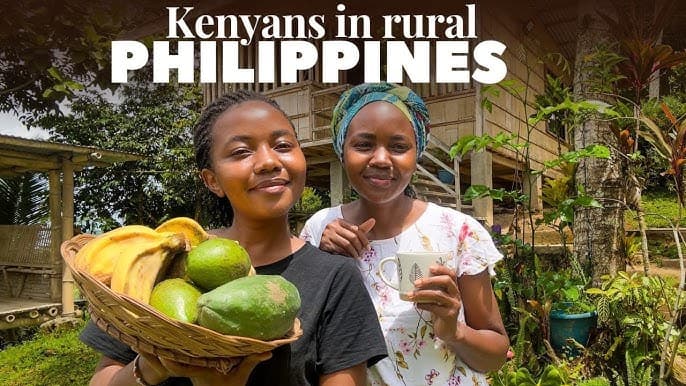
Trading the bustling streets of Nairobi for the serene landscapes of the rural Philippines, two Kenyan sisters have carved out an extraordinary life, highlighting the evolving dynamics of the modern African diaspora.
In an unexpected tale of global migration, a pair of entrepreneurial Kenyan siblings has successfully integrated into a remote Southeast Asian farming community, defying traditional expatriate narratives.
The narrative of the African diaspora is predominantly characterized by migration to the West in search of conventional corporate or academic opportunities. However, the remarkable journey of two Kenyan sisters who have established a thriving agricultural enterprise in the rural Philippines challenges this monolithic perspective. Their story underscores a growing trend of South-South migration, where skilled Africans are seeking specialized opportunities in emerging Asian markets.
Leaving behind highly competitive careers in Kenya, the sisters relocated to a provincial agricultural hub in the Philippines, drawn by the region's fertile volcanic soil and highly supportive local farming cooperatives. Their initial transition was marked by significant cultural and linguistic barriers, yet their profound expertise in sustainable agribusiness—honed in the highlands of the Rift Valley—quickly earned them the respect of the local community. They introduced drought-resistant crop varieties native to East Africa, successfully cross-breeding them with indigenous Philippine flora.
Their farm now serves as a vital agricultural nexus, supplying organic produce to high-end markets in Manila while simultaneously acting as a training ground for local youth. By introducing Kenyan cooperative banking models, commonly known as 'chamas', they have revolutionized the financial independence of female farmers in their adopted province. This exchange of indigenous knowledge represents a powerful form of grassroots diplomacy that transcends formal governmental channels.
The economic impact of such unconventional migration pathways is substantial. While they have integrated deeply into Philippine society, the sisters maintain robust financial and professional ties to Kenya. The Central Bank of Kenya continuously highlights the critical role of diaspora remittances, which routinely exceed KES 500 billion annually, stabilizing the national currency. Earnings generated from their Southeast Asian enterprise are frequently channeled back into the Kenyan real estate and education sectors.
Furthermore, their success illuminates the vast, untapped potential of the Asian market for bold African entrepreneurs. Traditionally, Kenyan expatriates in Asia are heavily concentrated in the English teaching sector or corporate tech roles in major metropolises. The move into rural agriculture represents a strategic diversification, capitalizing on the Philippines' aggressive push for food security and organic farming initiatives.
The story of these sisters acts as a compelling blueprint for the next generation of the Kenyan diaspora. It actively demonstrates that meaningful, lucrative opportunities exist far beyond the traditional Western capitals. As global supply chains become increasingly decentralized, the ability to adapt to diverse cultural environments and implement cross-regional expertise is an invaluable asset.
The Kenyan Ministry of Foreign and Diaspora Affairs has recently expanded its focus to better support citizens operating in non-traditional destination countries. Establishing stronger bilateral agricultural agreements with Southeast Asian nations could pave the way for more robust economic exchanges, heavily utilizing the diaspora as commercial bridge-builders.
"We did not leave Kenya to escape it; we left to expand its borders, proving that African ingenuity can flourish and transform communities anywhere in the world," one of the sisters remarked during a recent agricultural symposium, capturing the essence of modern global citizenship.
Keep the conversation in one place—threads here stay linked to the story and in the forums.
Sign in to start a discussion
Start a conversation about this story and keep it linked here.
Other hot threads
E-sports and Gaming Community in Kenya
Active 9 months ago
The Role of Technology in Modern Agriculture (AgriTech)
Active 9 months ago
Popular Recreational Activities Across Counties
Active 9 months ago
Investing in Youth Sports Development Programs
Active 9 months ago