We're loading the full news article for you. This includes the article content, images, author information, and related articles.
At least 20 deaths in police custody in four months have intensified pressure on the National Police Service, with human rights groups demanding urgent reforms and accountability for what they term a systemic crisis of brutality and impunity.

NAIROBI, KENYA – An alarming rise in deaths within police custody has cast a harsh spotlight on the state of Kenya's detention facilities and the conduct of its law enforcement officers, prompting investigations and renewed calls for systemic reforms. On Thursday, 12th June 2025, the Independent Policing Oversight Authority (IPOA) reported to the National Assembly that at least 20 people had died in police custody in the preceding four months alone, a figure that has shocked the public and galvanized human rights organizations.
The report from IPOA chairperson Issack Hassan to the parliamentary Committee on Administration and Internal Security underscored the severity of the crisis. The disclosure was made during a hearing concerning the high-profile death of Albert Ojwang, a 31-year-old teacher and blogger who died in custody at Nairobi's Central Police Station in early June 2025. Initial police reports claimed Ojwang’s death was a suicide, but IPOA’s preliminary findings suggested he was tortured and killed in a “very poor cover-up attempt.”
The recent surge in custodial deaths is part of a broader, troubling pattern of police misconduct, according to data from civil society groups. The Missing Voices coalition, a consortium of organizations tracking extrajudicial killings, reported a significant increase in police-related killings and enforced disappearances in 2024. Their 2024 report, launched on 7th May 2025, documented 159 such cases, a 24% rise from the 128 cases recorded in 2023. Of these, 104 were police killings and 55 were enforced disappearances, the highest number of disappearances recorded in five years.
Human rights defenders argue these statistics point to a deep-rooted culture of impunity within the National Police Service (NPS). The Kenya National Commission on Human Rights (KNCHR) has repeatedly identified police officers as the primary violators of human rights in the country. This sentiment is echoed by organizations like Amnesty International, which has condemned what it calls “repressive policing,” particularly in the context of public protests. Many of these deaths and disappearances occur in a legal grey area, with families left searching for answers and justice long after their loved ones are taken into custody.
Conditions within Kenya's police cells are frequently described as harsh and life-threatening. Reports from human rights organizations and former detainees paint a grim picture of severe overcrowding, poor sanitation, and inadequate medical care. A 2022 report by the US State Department noted that Kenya's prison system, including police holding cells, was operating at nearly 200 percent of its capacity. Such conditions are not only a violation of human dignity but also create an environment where violence and medical emergencies can turn fatal.
In response to public pressure, the Kenya Human Rights Commission has highlighted existing guidelines for police cells, which mandate immediate health screenings for detainees, limits on overcrowding, and proper ventilation and sanitation. However, enforcement remains a critical challenge. Former police spokesperson Charles Owino has previously acknowledged that cells are poorly maintained due to limited resources.
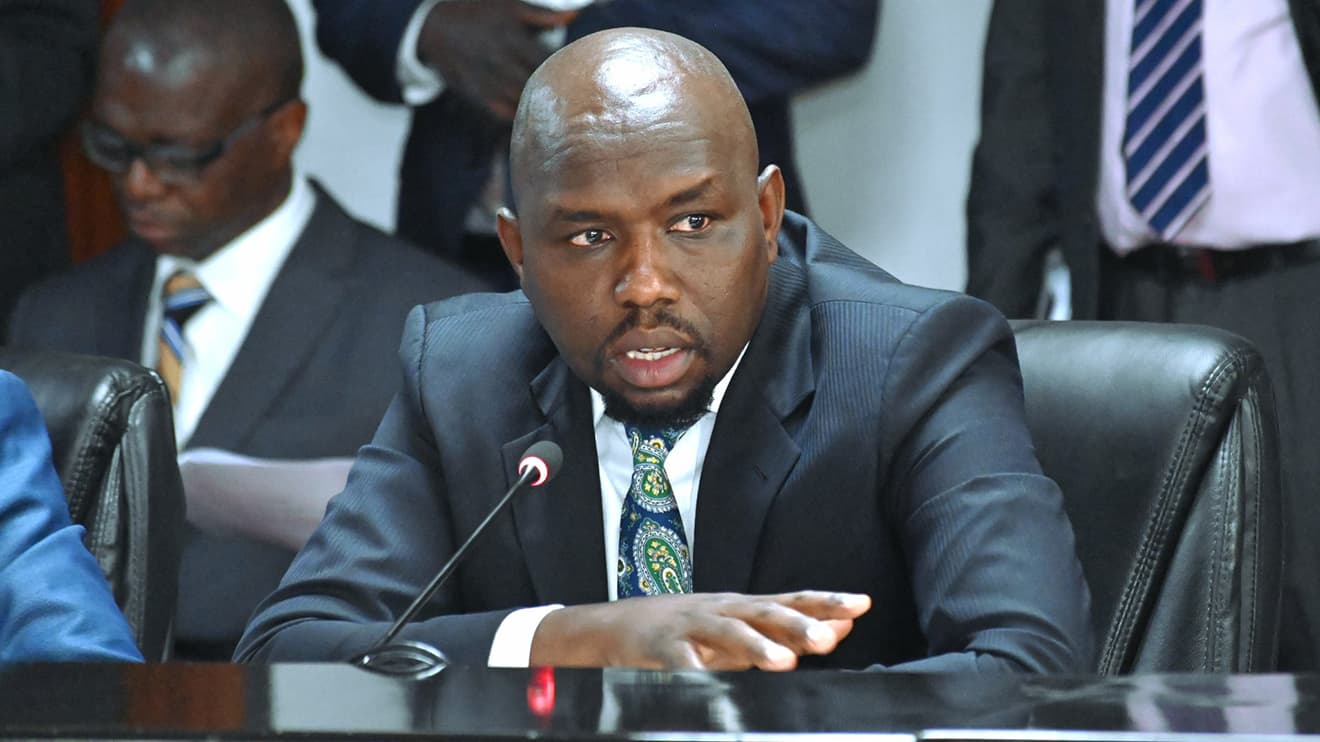
The government has acknowledged the problem, with Interior Cabinet Secretary Kipchumba Murkomen confirming in an August 2025 address to the National Assembly that at least 10 individuals had died in custody over a five-month period. He detailed several cases, many of which were officially recorded as suicides, and outlined reforms such as daily cell inspections by senior officers and training on the humane treatment of detainees. Following the public outcry over Albert Ojwang's death, President William Ruto condemned the incident as “unacceptable” and ordered the NPS to cooperate fully with IPOA's investigation.
Despite these assurances, activists remain skeptical, pointing to a history of delayed investigations and a lack of convictions for officers implicated in custodial deaths. The legal framework, including the Constitution, the National Police Service Act, and the Prevention of Torture Act, explicitly protects the rights of arrested persons. However, the gap between law and practice remains wide.
IPOA is currently investigating 18 recent cases of custodial deaths, treating them with “utmost urgency.” As these investigations proceed, the Kenyan public and international observers are watching closely to see whether they will lead to genuine accountability and the implementation of lasting reforms needed to protect the lives of those held in state custody. The fundamental principle that an arrest should not be a death sentence remains the central focus of the ongoing struggle for justice.
Keep the conversation in one place—threads here stay linked to the story and in the forums.
Sign in to start a discussion
Start a conversation about this story and keep it linked here.
Other hot threads
E-sports and Gaming Community in Kenya
Active 9 months ago
The Role of Technology in Modern Agriculture (AgriTech)
Active 9 months ago
Popular Recreational Activities Across Counties
Active 9 months ago
Investing in Youth Sports Development Programs
Active 9 months ago
Key figures and persons of interest featured in this article