We're loading the full news article for you. This includes the article content, images, author information, and related articles.
Ismail Ibrahim Shukri was apprehended by surveillance technology in North Dakota, highlighting a growing and perilous trend of irregular migration attempts along the US–Canada frontier.
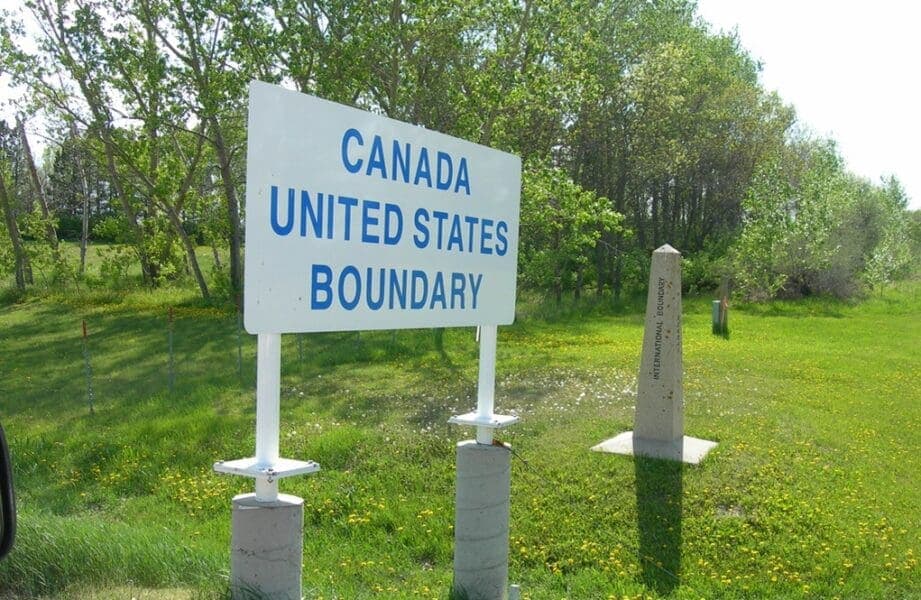
For Ismail Ibrahim Shukri, the journey across the frozen expanse separating Canada from the United States ended not with a welcome, but with the glare of surveillance lights and federal handcuffs. The Kenyan national was arrested late last month near Pembina, North Dakota, after attempting to navigate the porous but increasingly monitored northern border on foot.
The arrest underscores the shifting tactics of migrants seeking entry into the U.S., as tighter controls on the southern border force many to attempt dangerous crossings along the 49th parallel. Shukri’s case, now winding through the federal court system, serves as a cautionary tale for those eyeing the “Canada Route” as a backdoor to the American Dream.
According to court documents filed in the U.S. District Court for the District of North Dakota, the incident unfolded on the night of November 22. At approximately 10:30 p.m., remote surveillance equipment detected a lone figure walking south from the international boundary, roughly two miles west of the Pembina Port of Entry.
Border Patrol agents responded immediately. Shukri was intercepted on foot about 1.5 miles south of the border. Unlike many who attempt to evade capture, Shukri reportedly admitted to agents that he had crossed illegally from Canada. He was transported to the Pembina Border Patrol Station for processing just twenty minutes after detection.
Federal prosecutors moved quickly, filing charges on November 24 under 8 U.S.C. § 1325(a)(1). This statute strictly prohibits foreign nationals from entering the U.S. at locations not designated by immigration authorities. While a first offense is often a misdemeanor, it carries the weight of a federal criminal record and significant implications for future admissibility into the United States.
On Sunday, Shukri’s federal public defender submitted a request for a combined plea and sentencing hearing, signaling that Shukri intends to plead guilty. As of now, no formal plea agreement has been finalized. The swift legal processing highlights the zero-tolerance approach often applied in these jurisdictions.
Shukri is not alone. While the world’s eyes often focus on the U.S.-Mexico border, the northern frontier has seen a quiet but dramatic spike in activity. U.S. Customs and Border Protection (CBP) data indicates that encounters along the northern border have risen sharply—up nearly 600% since 2021 in some sectors.
For Kenyans and other international migrants, Canada has historically been viewed as a more accessible entry point due to visa policies, though this window is closing. However, the physical risks are severe. The North Dakota terrain in late November is unforgiving, with temperatures often dropping well below freezing, turning a short walk into a life-threatening endeavor.
As Shukri awaits his sentencing, his journey remains in legal limbo. His case is a stark reminder that modern surveillance technology has closed many of the “invisible” paths once used by migrants, leaving them to face the full weight of federal law.
Keep the conversation in one place—threads here stay linked to the story and in the forums.
Sign in to start a discussion
Start a conversation about this story and keep it linked here.
Other hot threads
E-sports and Gaming Community in Kenya
Active 9 months ago
The Role of Technology in Modern Agriculture (AgriTech)
Active 9 months ago
Popular Recreational Activities Across Counties
Active 9 months ago
Investing in Youth Sports Development Programs
Active 9 months ago