We're loading the full news article for you. This includes the article content, images, author information, and related articles.
New laws and stricter oversight are now in force as Nairobi battles to exit a global financial 'grey list' and shield the Kenyan economy from trillions in illicit cash flows.
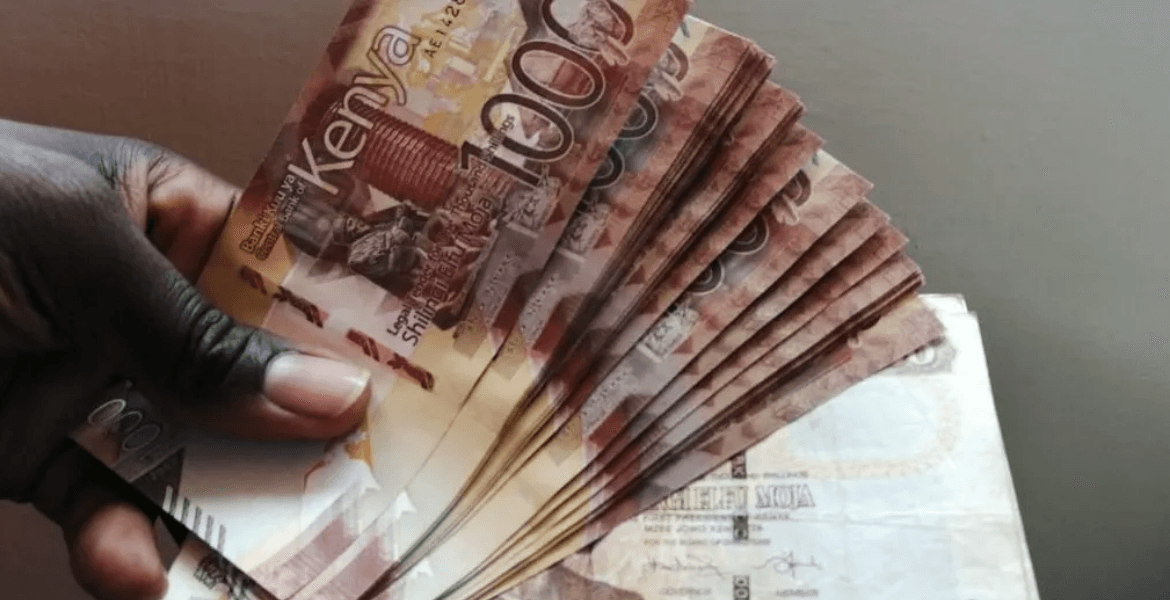
Kenya has intensified its crackdown on illicit financial flows, rolling out tough new measures aimed at cleaning up its financial system and restoring international confidence. The move follows the country's placement on a global watchlist for nations with inadequate safeguards against money laundering and terrorism financing.
The core of this renewed effort is the Anti-Money Laundering and Combating of Terrorism Financing Laws (Amendment) Act, 2025, signed into law by President William Ruto in June. This legislation is a direct response to the Financial Action Task Force (FATF), the international standard-setter for financial integrity, which placed Kenya on its 'grey list' in February 2024. That designation signals to global investors that transactions with Kenya require increased scrutiny, potentially slowing down investment and increasing business costs.
The stakes for the average Kenyan are enormous. A recent report revealed that a staggering KES 200 billion is drained from Kenya annually through illicit financial flows, money that could fund universal healthcare or critical infrastructure projects. The FATF grey-listing further complicates the economic picture by making it harder for local businesses to access international finance and potentially increasing the cost of diaspora remittances.
President Ruto emphasized that the new legal framework is designed to seal loopholes that have long been exploited. "The signing of the...Bill reinforces this vision by sealing gaps that facilitate illicit financial flows via property transactions and the use of shell companies," he noted.
The amended laws introduce sweeping changes across multiple sectors, expanding oversight beyond banks to other vulnerable areas. Key changes include:
The Financial Reporting Centre (FRC), Kenya's financial intelligence unit, has been granted broader authority to supervise institutions and enforce these new obligations. Recent FRC data shows the scale of the challenge, with KES 6.976 trillion in suspicious transactions flagged in the three years leading up to 2023.
While the new legislation is a critical step, analysts agree that the true test will be in its implementation. The government's goal is to demonstrate significant progress to the FATF and secure a swift exit from the grey list, a move that would boost investor confidence. The Ethics and Anti-Corruption Commission (EACC) is currently pursuing over 32 cases of money laundering, signaling a more aggressive enforcement stance.
As one High Court Advocate, Wendy Muganda, observed, the act is a step in the right direction that will hasten Kenya's removal from the grey list in the short term. In the long term, the success of these reforms will determine whether Kenya can truly fortify its economy against the corrosive effects of dirty money.
Keep the conversation in one place—threads here stay linked to the story and in the forums.
Sign in to start a discussion
Start a conversation about this story and keep it linked here.
Other hot threads
E-sports and Gaming Community in Kenya
Active 9 months ago
The Role of Technology in Modern Agriculture (AgriTech)
Active 9 months ago
Popular Recreational Activities Across Counties
Active 9 months ago
Investing in Youth Sports Development Programs
Active 9 months ago