We're loading the full news article for you. This includes the article content, images, author information, and related articles.
A KEMRI-led clinical trial is racing to find new antibiotic combinations against drug-resistant neonatal sepsis, a silent killer claiming thousands of Kenyan newborns annually.
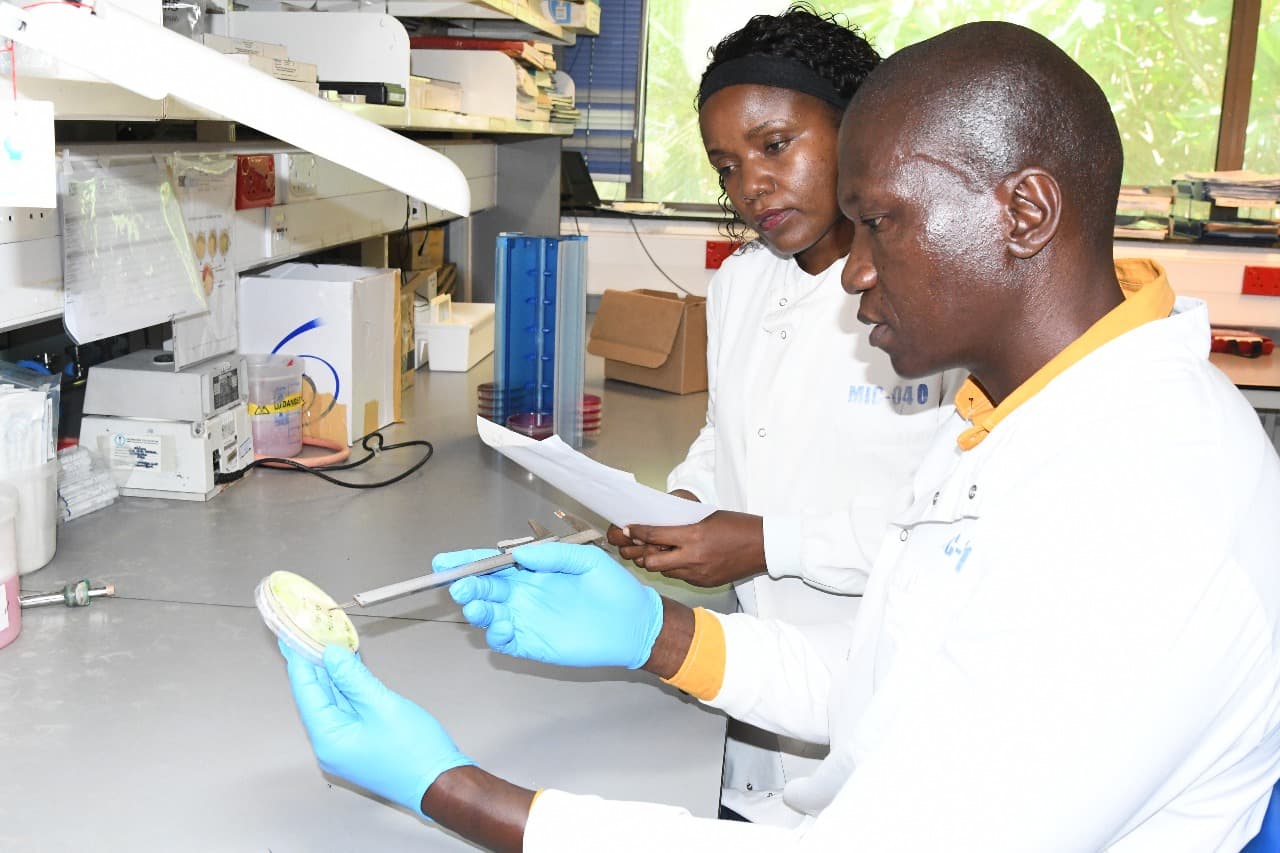
Kenyan scientists are on the front lines of a global battle against an invisible enemy that is killing the nation’s most vulnerable. A major clinical trial led by the Kenya Medical Research Institute (KEMRI)-Wellcome Trust is underway, seeking new weapons to fight neonatal sepsis as bacteria increasingly outsmart the medicines designed to stop them.
This fight is urgent. Neonatal sepsis, a severe bloodstream infection in a baby’s first 28 days, is a top cause of infant mortality. In 2022 alone, 9,000 newborns in Kenya died from the infection. The growing threat of antimicrobial resistance (AMR) means standard treatments are failing, turning a treatable condition into a death sentence and threatening to reverse decades of progress in child survival.
The core of the problem, researchers note, is that the antibiotics currently used were developed decades ago. “Many are losing effectiveness due to resistance, and there’s limited evidence on the best combinations or doses for newborns,” explained Christina Obiero, a research scientist at KEMRI-Wellcome Trust. Recent surveillance data from just one Nairobi hospital showed that 99 percent of samples from a cholera outbreak were multidrug-resistant, highlighting the scale of the AMR crisis.
In response, the NeoSep1 trial, a multi-country initiative sponsored by the Global Antibiotic Research & Development Partnership (GARDP), is testing novel antibiotic combinations. Unlike traditional trials, this study is evaluating how older, off-patent drugs—specifically flomoxef and fosfomycin—can be combined with others like amikacin to create a more powerful, synergistic effect that can overcome resistance.
Key facts about the trial include:
For Kenyan families, an effective new treatment could be life-changing. Sepsis places a heavy burden not just emotionally but also financially. While specific local costs are hard to pin down, studies in similar settings show that treating a newborn with severe infection can be substantial, often requiring prolonged hospital stays that push families into catastrophic health expenditure.
A successful outcome from the NeoSep1 trial could provide a more reliable, and potentially more accessible, treatment protocol. By identifying effective combinations of existing drugs, the project aims to expand access to quality-assured treatments that can be deployed in hospitals across the country. This research is a critical step in protecting newborns from the growing threat of untreatable infections.
The trial represents a paradigm shift, moving away from single-drug solutions to a more adaptive, combination-based approach. As Obiero emphasized, this study is a crucial step toward tackling both neonatal mortality and the growing AMR threat head-on, offering a beacon of hope for the future of newborn health in Kenya.
Keep the conversation in one place—threads here stay linked to the story and in the forums.
Sign in to start a discussion
Start a conversation about this story and keep it linked here.
Other hot threads
E-sports and Gaming Community in Kenya
Active 9 months ago
The Role of Technology in Modern Agriculture (AgriTech)
Active 9 months ago
Popular Recreational Activities Across Counties
Active 9 months ago
Investing in Youth Sports Development Programs
Active 9 months ago



