We're loading the full news article for you. This includes the article content, images, author information, and related articles.
The government has finalized a landmark $5 billion (approx. KES 650 billion) loan from the World Bank and IMF to fund a sweeping national digital infrastructure and green energy overhaul, a move celebrated by officials but met with sharp warnings from economists about the country's soaring debt.
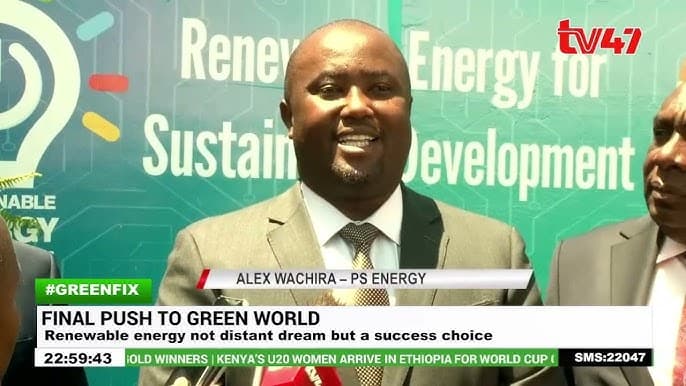
Kenya is set to embark on its most ambitious infrastructure project in a decade after securing a colossal $5 billion (approx. KES 650 billion) financing package from the World Bank and the International Monetary Fund. The funds are earmarked for a nationwide initiative to expand digital connectivity and accelerate the country's transition to 100% clean energy.
The deal, confirmed by Treasury officials on Friday, promises to create thousands of jobs and position Kenya as a continental leader in the green and digital economies. However, the massive injection of borrowed capital pushes Kenya's public debt past the KES 12 trillion mark, raising urgent questions about the nation's financial sustainability and the ultimate cost to the taxpayer.
Government proponents argue the 'Digital and Green Marshall Plan' is a critical investment for future prosperity. The project aligns with Kenya's Vision 2030, which prioritizes ICT and sustainable energy as core pillars of economic growth. The initiative aims to lay thousands of kilometers of new fibre optic cable, establish national data centers, and fund a new phase of geothermal and solar energy projects.
Yet, the timing is precarious. The loan arrives as Kenya's debt-to-GDP ratio hovers around 68%, a figure significantly above the 55% threshold considered sustainable by financial watchdogs. Analysts warn that while the project's goals are laudable, the rising cost of servicing national debt could divert funds from other essential public services like healthcare and education.
For the average Kenyan, the project's impact will be twofold. In the long term, it could mean faster, more reliable internet and cheaper, cleaner power, potentially lowering the cost of living and doing business. The government's National Energy Policy for 2025-2034 explicitly targets universal access to affordable and clean energy. The plan also supports the development of e-commerce and digital skills, which could unlock new income opportunities.
In the short term, however, concerns are mounting that the burden of repayment will fall squarely on citizens. Kiharu MP Ndindi Nyoro recently warned that the country's borrowing rate is unsustainable, alleging that every Kenyan now carries a significant portion of the national debt. With a substantial portion of national revenue already consumed by debt servicing, the government faces immense pressure to either raise taxes or implement painful austerity measures, a dilemma that has previously sparked public unrest.
As details of the loan's conditions and the project's rollout emerge, policymakers and the public remain divided. The fundamental question echoes across the nation: is this a visionary leap towards a prosperous future, or a costly gamble that will burden generations to come?
Keep the conversation in one place—threads here stay linked to the story and in the forums.
Sign in to start a discussion
Start a conversation about this story and keep it linked here.
Other hot threads
E-sports and Gaming Community in Kenya
Active 9 months ago
The Role of Technology in Modern Agriculture (AgriTech)
Active 9 months ago
Popular Recreational Activities Across Counties
Active 9 months ago
Investing in Youth Sports Development Programs
Active 9 months ago
Key figures and persons of interest featured in this article