We're loading the full news article for you. This includes the article content, images, author information, and related articles.
**A new force of 250 elite rangers will be deployed immediately to combat poaching and rising human-wildlife conflict, leveraging advanced technology to protect Kenya's multi-billion shilling tourism sector.**
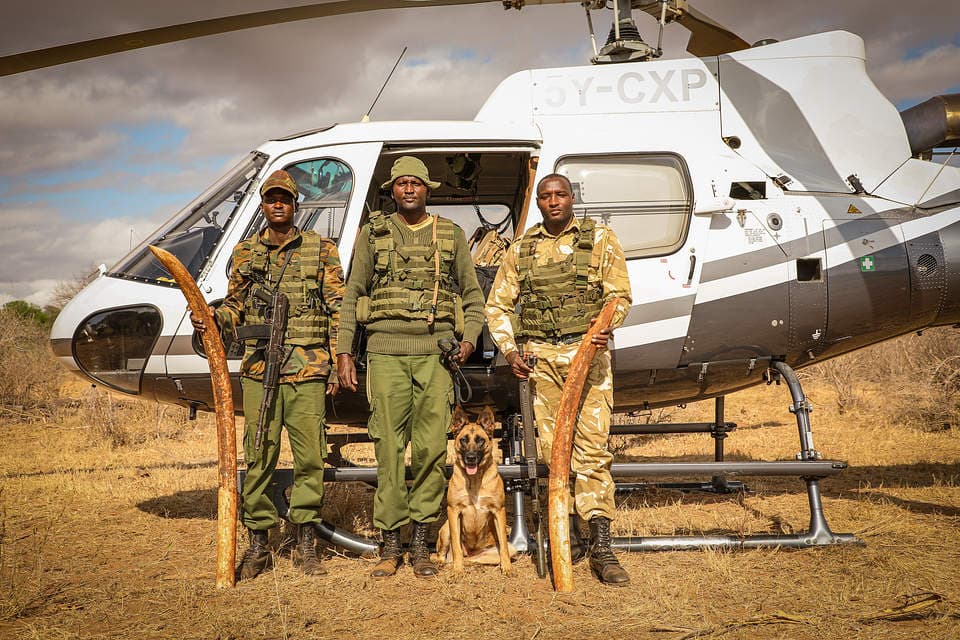
Kenya has reinforced its front lines in the war against wildlife crime, deploying a fresh contingent of 250 highly-trained rangers to protect the nation’s invaluable natural heritage. The announcement came as Deputy President Kithure Kindiki presided over a pass-out parade at the Kenya Wildlife Service (KWS) Law Enforcement Academy in Manyani, Taita-Taveta County.
This deployment is a direct response to the growing sophistication of transnational wildlife crime and increased human-wildlife conflict, which pose a direct threat to both national security and the economy. Wildlife tourism is a cornerstone of Kenya's economy, contributing a record KES 1 trillion in 2023 and supporting over 1.5 million jobs. Protecting this sector is paramount to putting food on the table for millions of Kenyans.
The new graduates consist of 147 cadet officers, who completed a rigorous nine-month paramilitary course, and 103 junior officers who underwent promotional training. Deputy President Kindiki emphasized that this is not just about numbers, but about capability. The government is rolling out a new modernization framework, equipping rangers with cutting-edge technology to outmaneuver criminal syndicates.
These technological upgrades include:
These tools are critical in a world where wildlife crime is an industry estimated to be worth over $20 billion (approx. KES 2.6 trillion) annually. The investment aims to dismantle the international networks that traffic everything from elephant tusks to rhino horns.
The impact of this initiative extends far beyond conservation. By securing national parks and reserves, the government is safeguarding the engine of its tourism industry. Tourism and Wildlife Cabinet Secretary Rebecca Miano noted the rangers are joining at a defining moment, facing challenges from climate-induced ecosystem stress to limited financing. Kindiki linked the security reforms directly to the government's goal of attracting five million tourists annually by 2027.
The strategy appears to be yielding results. KWS revenue has seen a dramatic increase, growing from KES 4 billion in 2022 to a projected KES 11 billion this year, largely due to the automation of park fee collection. This financial independence is crucial for sustaining operations and improving the welfare of the rangers who risk their lives on the front lines.
As these new rangers deploy across the country, they carry the weight of a nation's heritage and its economic future on their shoulders. Kindiki issued a stern warning that any attacks on the officers would be met with the full force of the law, while also reminding the new graduates that their authority must be matched with accountability and respect for human rights.
Keep the conversation in one place—threads here stay linked to the story and in the forums.
Sign in to start a discussion
Start a conversation about this story and keep it linked here.
Other hot threads
E-sports and Gaming Community in Kenya
Active 9 months ago
The Role of Technology in Modern Agriculture (AgriTech)
Active 9 months ago
Popular Recreational Activities Across Counties
Active 9 months ago
Investing in Youth Sports Development Programs
Active 9 months ago
Key figures and persons of interest featured in this article