We're loading the full news article for you. This includes the article content, images, author information, and related articles.
The United Opposition has revealed plans to consider reviving the ICC court case against President William Ruto, accusing his administration of crimes against humanity.
The spectre of The Hague has returned to haunt the corridors of State House as the United Opposition officially initiates a high-stakes legal manoeuvre to drag President William Ruto back to the International Criminal Court.
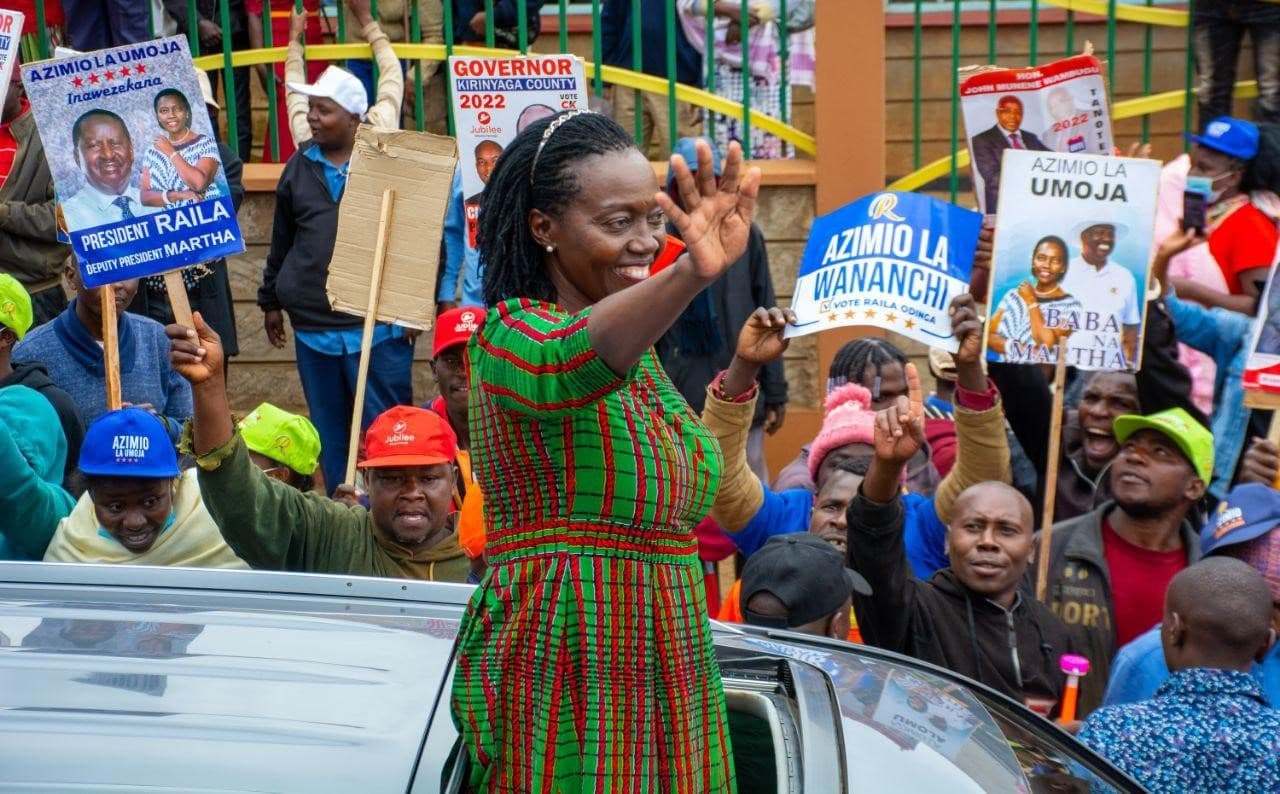
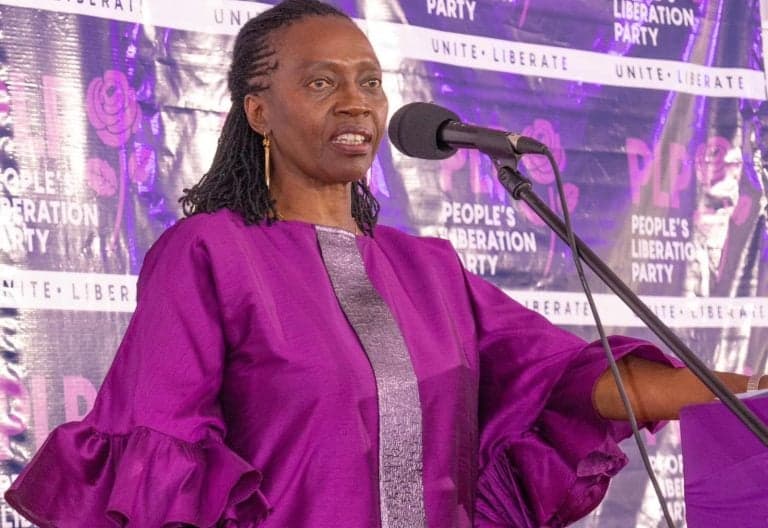
In a move that threatens to destabilize the political equilibrium of the nation, the opposition coalition, led by the indomitable Martha Karua, has declared its intention to file fresh charges of crimes against humanity against the Head of State. This is not merely a political statement; it is a calculated judicial strike aimed at piercing the veil of presidential immunity that protects Ruto within Kenyan borders.
The decision to pivot back to the ICC marks a dramatic escalation in the standoff between the government and the opposition. Speaking from a fortified press briefing in Nairobi, coalition principals outlined a dossier of alleged state-sanctioned violence that they claim meets the threshold of international crimes. The allegations paint a grim picture of a regime allegedly deploying "rogue police units" and "militia-style death squads" to silence dissent.
According to sources close to the legal team, the dossier includes:
Legal experts are already dissecting the viability of this strategy. While Article 143 of the Kenyan Constitution grants the President immunity from criminal proceedings in local courts during his tenure, this protection evaporates at the international level. Lawyer Danstan Omari, a prominent legal analyst, notes that international treaties signed by Kenya create a distinct vulnerability for sitting heads of state.
"The shield of sovereignty does not extend to crimes that shock the conscience of humanity," Omari observed. "If the ICC prosecutor is convinced that the local judicial system is unable or unwilling to act—a concept known as complementarity—the Court has the jurisdiction to intervene, regardless of the suspect's official capacity."
For many Kenyans, this development reopens old wounds. The memory of the Ocampo Six and the lengthy, divisive trials that followed the 2007 post-election violence remains fresh. President Ruto, who successfully fought off previous ICC charges, now faces the prospect of a "double jeopardy" scenario, albeit for different alleged offences.
Critics of the move argue that it is a desperate attempt by a fractured opposition to regain relevance. Government spokespersons have dismissed the threats as "hot air" and "political theatre," insisting that the administration remains focused on delivering its development agenda. However, the persistence of the United Opposition suggests they are playing a long game, one where the courtroom matters as much as the ballot box.
"We are not just making noise," Karua asserted, her voice steely with resolve. "We are compiling irrefutable evidence. Mr. Ruto must answer for his actions. The world is watching, and justice has a long memory." As the dossier heads to The Hague, the country holds its breath, waiting to see if history is about to repeat itself in the most dramatic fashion possible.
Keep the conversation in one place—threads here stay linked to the story and in the forums.
Sign in to start a discussion
Start a conversation about this story and keep it linked here.
Other hot threads
E-sports and Gaming Community in Kenya
Active 10 months ago
The Role of Technology in Modern Agriculture (AgriTech)
Active 10 months ago
Popular Recreational Activities Across Counties
Active 10 months ago
Investing in Youth Sports Development Programs
Active 10 months ago
Key figures and persons of interest featured in this article