We're loading the full news article for you. This includes the article content, images, author information, and related articles.
**Veteran politician Martha Karua has declared the safety of women in public transport non-negotiable, calling for immediate enforcement of policies and transparent judicial action against perpetrators.**
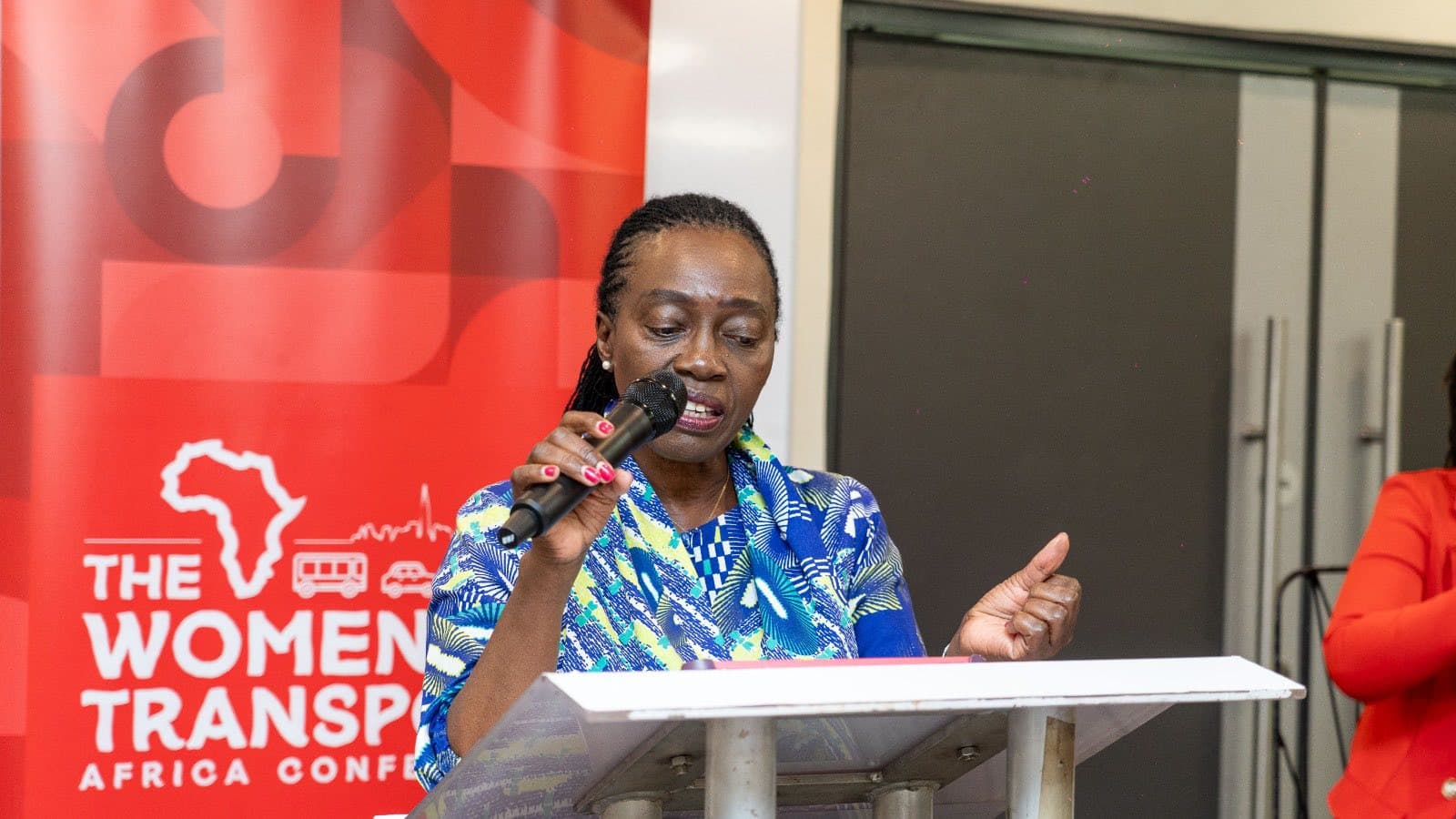
Veteran politician and People's Liberation Party (PLP) leader Martha Karua has issued a stark warning that the safety of women on Kenya's public transport is in jeopardy due to a failure to enforce existing laws. Her call to action came during a powerful keynote address at the Women Transport Africa Conference 2025 in Nairobi.
This is not just about policy on paper; it's about the daily reality for millions of Kenyan women who rely on matatus, boda bodas, and taxis. Karua’s intervention, coinciding with the #16DaysOfActivism against gender-based violence, places a national spotlight on the gap between promises and the lived experience of female commuters, directly impacting their economic and social freedom.
“The safety of women and commuters in transportation is non-negotiable!" Karua emphasized. "The safety policies in place must be enforced and consequences of violations must be real-time." She criticized a system where arrests are announced but judicial outcomes remain obscure, arguing this fails to deter offenders or build public trust.
The problem is pervasive, spanning all modes of public transport where harassment remains a pressing concern. A 2022 report by Kenyatta University's Women's Economic Empowerment Hub revealed staggering statistics: 80% of women using matatus experience daily harassment, from verbal abuse and staring to inappropriate touching. Perpetrators are often transport workers themselves or fellow commuters.
This persistent threat forces women to alter their behaviour, from changing their dress to avoiding certain routes, fundamentally restricting their freedom of movement. Despite the high prevalence of these incidents, reporting remains dangerously low. One study found that only 8% of victims report assaults to the police, citing a lack of confidence in the justice system. Another UN Women report noted that of the few incidents reported, only 1% led to the perpetrator being apprehended.
Karua urged government officials and transport sector leaders to fundamentally redesign mobility systems to reflect the real-life challenges women face. This sentiment is echoed by civil society organizations like the Flone Initiative, which has been working to end violence against women in public spaces by training service providers and advocating for policy change.
There is a clear disconnect between policy and practice. While Kenya has laws like the Sexual Offenses Act of 2006, their application within the chaotic transport sector is minimal. Karua stressed that leadership is not about slogans but about accountable governance and action. She called for:
The conference, running from December 3-5, 2025, brings together key stakeholders to tackle these very issues of inclusivity and safety. As Karua noted, true national interest is served by listening to the lived realities of women and having the courage to act upon them.
Keep the conversation in one place—threads here stay linked to the story and in the forums.
Sign in to start a discussion
Start a conversation about this story and keep it linked here.
Other hot threads
E-sports and Gaming Community in Kenya
Active 9 months ago
The Role of Technology in Modern Agriculture (AgriTech)
Active 9 months ago
Popular Recreational Activities Across Counties
Active 9 months ago
Investing in Youth Sports Development Programs
Active 9 months ago
Key figures and persons of interest featured in this article