We're loading the full news article for you. This includes the article content, images, author information, and related articles.
A certified urgent petition has exposed the shocking reality that Kenya’s premier temple of justice is physically locking out Persons with Disabilities.
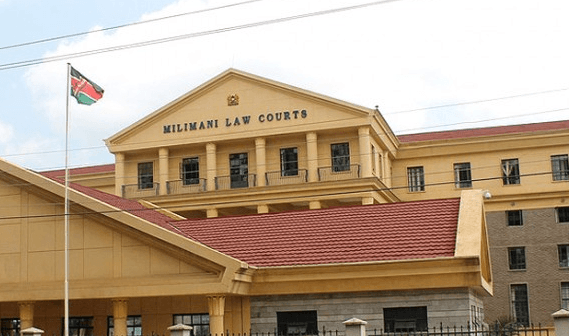
A certified urgent petition has exposed the shocking reality that Kenya’s premier temple of justice is physically locking out Persons with Disabilities (PWDs).
It is a bitter irony: the very building meant to uphold the Constitution’s guarantee of equality is itself a violator of human rights. The Milimani Law Courts, the nerve center of Kenya’s judiciary, has been slapped with a lawsuit that exposes its systemic exclusion of Persons with Disabilities (PWDs).
The High Court has certified as urgent a petition filed by public interest group Sheria Mtaani and advocate Shadrack Wambui.Their grievance is simple yet devastating: the physical infrastructure of the courts denies PWDs their dignity and their right to access justice.
The affidavit paints a humiliating picture. Lawyers in wheelchairs are forced to be carried up staircases by strangers to reach courtrooms on upper floors. Witnesses with mobility challenges cannot access the witness box. Visually impaired litigants navigate dangerous corridors without tactile guide rails.
“We cannot speak of the rule of law when the doors to the temple of justice are physically locked against our brothers and sisters,” Wambui argues. The petition seeks a writ of mandamus to compel the Judicial Service Commission (JSC) to immediately install ramps, lifts, and accessible lavatories.
This is not just about concrete and steel; it is about the message the state sends to its most vulnerable citizens. The Milimani complex, despite undergoing renovations in the past, remains a fortress designed for the able-bodied. The lack of working elevators in certain wings has been an open secret for years, tolerated by the administration but debilitating for the disabled.
The petition also highlights the plight of judicial officers and staff. How can a magistrate with a disability preside over a case if they cannot physically enter their own chambers? The exclusion is total.
Article 54 of the Constitution is clear on the rights of PWDs to reasonable access to all places. The Judiciary, as the interpreter of this Constitution, has a higher burden of compliance. By failing to retrofit its facilities, the JSC is essentially in contempt of the very document it swears to protect.
This case is a wake-up call. Justice must be blind, but it cannot be immobile. The court’s ruling on this matter will determine if "Access to Justice" is a reality for all Kenyans, or just those who can climb the stairs.
Keep the conversation in one place—threads here stay linked to the story and in the forums.
Sign in to start a discussion
Start a conversation about this story and keep it linked here.
Other hot threads
E-sports and Gaming Community in Kenya
Active 9 months ago
The Role of Technology in Modern Agriculture (AgriTech)
Active 9 months ago
Popular Recreational Activities Across Counties
Active 9 months ago
Investing in Youth Sports Development Programs
Active 9 months ago



