We're loading the full news article for you. This includes the article content, images, author information, and related articles.
Former content moderators slam the latest postponement as a profound failure of judicial promise, prolonging their psychological and financial agony.
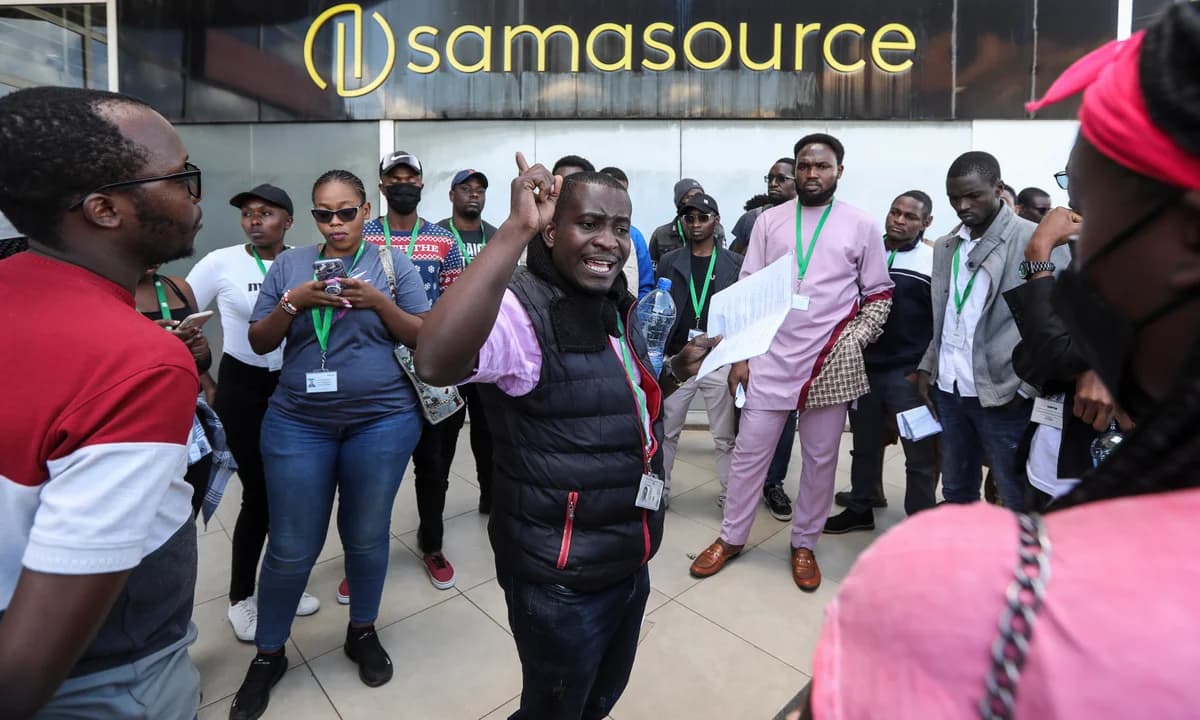
The long-awaited justice for 184 former Facebook content moderators has been deferred once more, as Justice Nduma Nderi postpones the ruling on their landmark human trafficking and unfair dismissal lawsuit against Meta Platforms Inc.
This delay serves as a brutal blow to the petitioners who have waited years for accountability, highlighting the sluggish pace of Kenya's judicial system in handling Big Tech's alleged exploitation of African labor. The postponement is not merely a procedural hiccup; it is a visceral extension of the trauma these workers claim to have endured while scrubbing the internet of its darkest content.
The case, filed by whistleblowers Daniel Motaung, Kiana Monique Arendse, and James Agada Mark, accuses Meta and its outsourcing partners, Sama and Majorel, of grievous labor violations. These include union-busting, forced labor, and exposing moderators to graphic violence, child abuse, and beheadings without adequate mental health support. The psychological toll has been devastating, with many petitioners reporting Post-Traumatic Stress Disorder (PTSD) that has rendered them unable to secure future employment.
“The continued delay in the hearing and determination of our petition is not merely a procedural setback; it is a profound failure of the judicial promise that ‘justice delayed is justice denied,’” stated Naftali Andati Wambalo, a petitioner whose frustration mirrors the group's collective despair. For these young Africans, the court was their last refuge against a trillion-dollar corporation that they allege treated them as disposable tools.
Meta and its partners have maintained a stance of denial, often attributing the harsh working conditions to industry standards rather than systemic negligence. However, the outcry from Nairobi has resonated globally, sparking similar legal challenges and unionization drives in other tech hubs. Yet, in the corridors of justice in Nairobi, the momentum has stalled.
As the petitioners consider petitioning the Chief Justice to expedite the matter, the message sent to the global labor market is chilling. Big Tech can seemingly outwait, outspend, and outmaneuver the very systems designed to protect the vulnerable. For Daniel Motaung and his colleagues, the fight is no longer just about compensation; it is a battle for their dignity and the recognition of their humanity.
Keep the conversation in one place—threads here stay linked to the story and in the forums.
Other hot threads
E-sports and Gaming Community in Kenya
Active 9 months ago
The Role of Technology in Modern Agriculture (AgriTech)
Active 9 months ago
Popular Recreational Activities Across Counties
Active 9 months ago
Investing in Youth Sports Development Programs
Active 9 months ago