We're loading the full news article for you. This includes the article content, images, author information, and related articles.
Comprehensive, up-to-date news coverage, aggregated from sources all over the world by Google News.
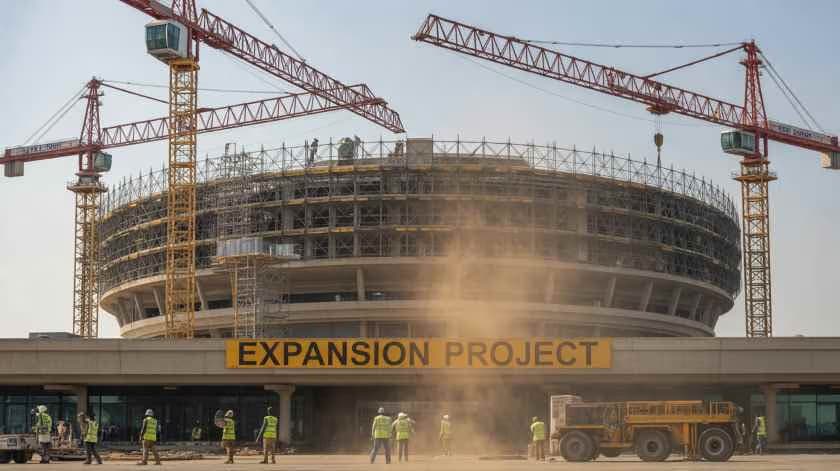
The Kenya Airports Authority (KAA) has officially unveiled an ambitious, multi-billion-shilling master plan to modernize and massively expand the Jomo Kenyatta International Airport (JKIA), cementing Nairobi's status as East Africa's premier aviation hub.
After months of intense public scrutiny and the high-profile collapse of a controversial privatization deal, the Kenyan government has decisively pivoted. The newly presented JKIA Integrated Master Plan and Feasibility Study outlines a comprehensive, phased approach to drastically ease crippling congestion, double passenger capacity, and construct a highly anticipated second runway by 2029.
This aggressive infrastructure push is absolutely vital for Kenya's economic future. As regional rivals like Rwanda and Tanzania aggressively upgrade their own aviation facilities, Nairobi risks losing its lucrative status as the gateway to the continent. The execution of this master plan is not just about passenger comfort; it is a critical pillar of the national economic transformation agenda, designed to stimulate tourism, boost cargo exports, and attract elite international airlines.
The urgency driving the expansion is undeniable. Originally designed to comfortably handle a maximum of 7.5 million to 8 million passengers annually, JKIA has been buckling under the weight of its own success. The facility processed a staggering 8.6 million travellers in 2024, and numbers soared to 8.8 million in 2025. With traffic projected to increase by a million passengers each year, the existing infrastructure is effectively stretched beyond its theoretical breaking point.
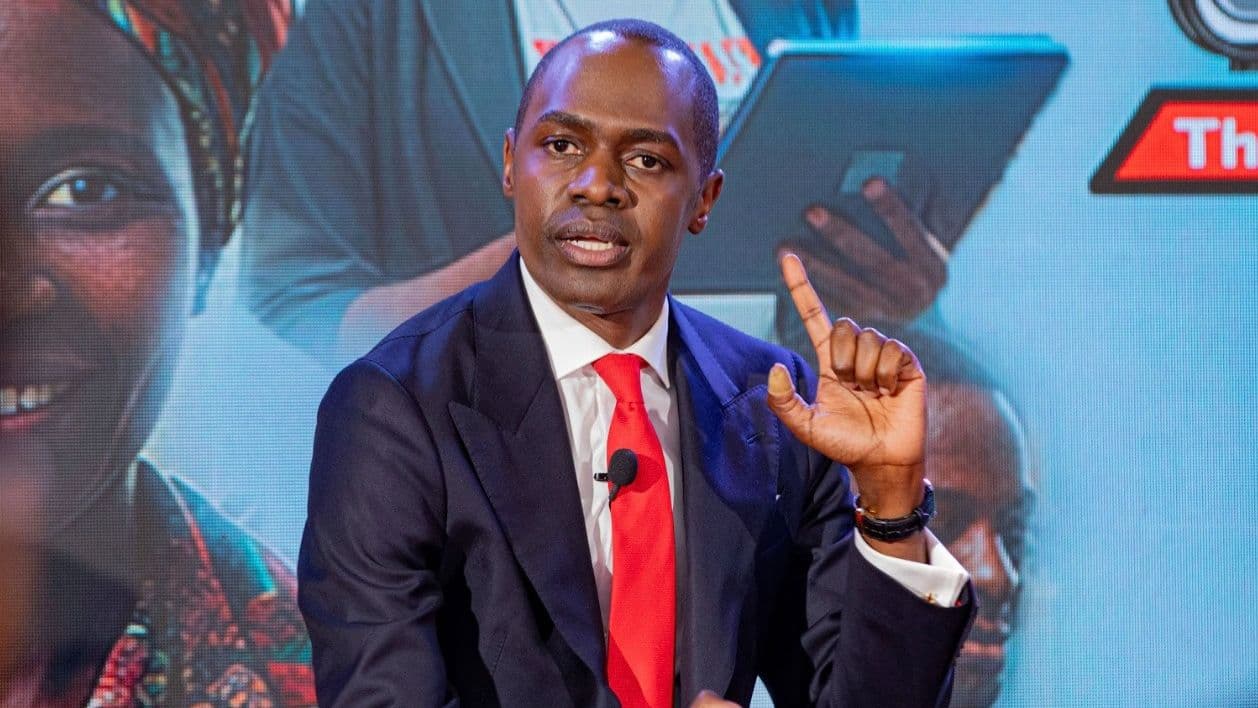
During a high-level stakeholder forum in Nairobi, KAA Managing Director Mohamud Gedi underscored the critical nature of the project. "Developed with the global expertise of Dar Al-Handasah, this master plan... provides a clear, resilient and sustainable roadmap for the airport's long-term growth, fully aligned with Kenya Vision 2030," Gedi announced to a room filled with airline executives and government officials.
The government intends to execute the massive upgrade in highly calculated phases to ensure the airport remains fully operational during construction. The cornerstone of the project is the delivery of a state-of-the-art terminal complex, which will inject an additional 15 million passengers into the airport's annual capacity.
Equally critical is the airfield expansion. The construction of a much-needed second runway is slated for completion by 2029. This crucial addition will virtually eliminate the holding patterns that plague the current single-runway operation, increasing aircraft movements from a sluggish 14 per hour to an impressive 63 per hour.
This renewed, state-led master plan effectively turns the page on a highly contentious chapter in JKIA's history. In late 2024, the government sensationally cancelled a proposed $1.85 billion expansion deal with India's Adani Group. That proposal, which would have granted the foreign conglomerate a 30-year concession over the airport, triggered massive strikes by aviation workers who argued the terms were detrimental to national interests.
By opting to finance the expansion through alternative frameworks, including the National Infrastructure Fund, the government has successfully appeased furious labor unions while keeping the crucial modernization timeline on track.
Kenya does not have the luxury of time. The regional aviation market is witnessing unprecedented investment. Rwanda is aggressively developing a brand-new, $2 billion airport in Bugesera, initially designed to handle 7 million passengers by 2027. Meanwhile, Tanzania has extensively modernized its main airport in Dar es Salaam, raising its capacity to 8 million passengers.
If JKIA suffers any further delays, international carriers could easily reroute their East African hubs to Kigali or Dar es Salaam. "In 2026, we will begin the construction of a modern, world-class airport... to anchor our nation as the aviation capital of our region," President William Ruto declared, setting a firm, uncompromising deadline for the project's commencement.
Keep the conversation in one place—threads here stay linked to the story and in the forums.
Sign in to start a discussion
Start a conversation about this story and keep it linked here.
Other hot threads
E-sports and Gaming Community in Kenya
Active 9 months ago
The Role of Technology in Modern Agriculture (AgriTech)
Active 9 months ago
Popular Recreational Activities Across Counties
Active 9 months ago
Investing in Youth Sports Development Programs
Active 9 months ago
Key figures and persons of interest featured in this article