We're loading the full news article for you. This includes the article content, images, author information, and related articles.
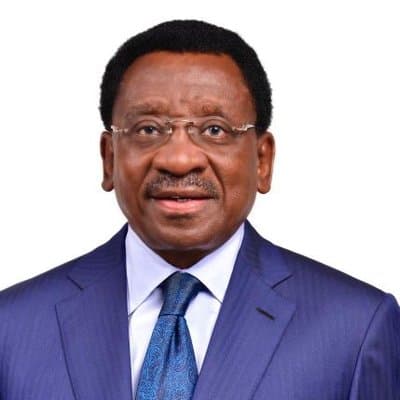
From the teargas-choked streets of the Second Liberation to the polished corridors of the Supreme Court, James Orengo has remained the immutable constant of Kenyan politics.

From the teargas-choked streets of the Second Liberation to the polished corridors of the Supreme Court, James Orengo has remained the immutable constant of Kenyan politics—a legal titan and political survivor who defines the "struggle."
In the kaleidoscope of Kenyan politics, where alliances shift like the desert sands, James Orengo stands as a monolith. For over four decades, the Siaya Governor has been more than a politician; he has been a phenomenon. Known affectionately as "Jimmy" or the "Walking Constitution," Orengo's career is a timeline of Kenya's democratic maturity. From the radical student leader of the 1970s to the elder statesman of 2026, he has occupied a unique space: sometimes at the center of power, often at its margins, but always unmistakably present.
To understand Orengo, one must go back to the "Seven Bearded Sisters"—the derisive term Attorney General Charles Njonjo used for the radical MPs of the 1980s. Orengo was the youngest, the loudest, and perhaps the most brilliant. He fought the Moi dictatorship not with guns, but with the law and the masses. The "Saba Saba" riots, the fight for multipartyism, the Kabete discourse—Orengo was the intellectual engine behind the street fury. He didn't just attend the protests; he drafted the demands.
But it is in the courtroom that the "Orengo mystique" was truly cemented. He is the lawyer you call when the republic is on the line. His performance during the 2017 presidential petition was a masterclass in constitutional law, dismantling the electoral commission's defense with surgical precision. "My Lords, the law is clear," he would thunder, and the country would listen. He has the rare ability to make complex legal arguments sound like poetry, and poetry sound like a verdict.
Now, as Governor of Siaya, Orengo faces his final and perhaps most difficult test: implementation. The transition from agitator to administrator is never easy. The "struggle" is no longer against a dictator, but against poverty, poor infrastructure, and healthcare gaps in his home county. Critics argue that his national profile often distracts from local delivery. Yet, Orengo insists that governance is the ultimate liberation. "We fought for the freedom to govern ourselves," he told a recent rally. "Now we must use that freedom to prosper."
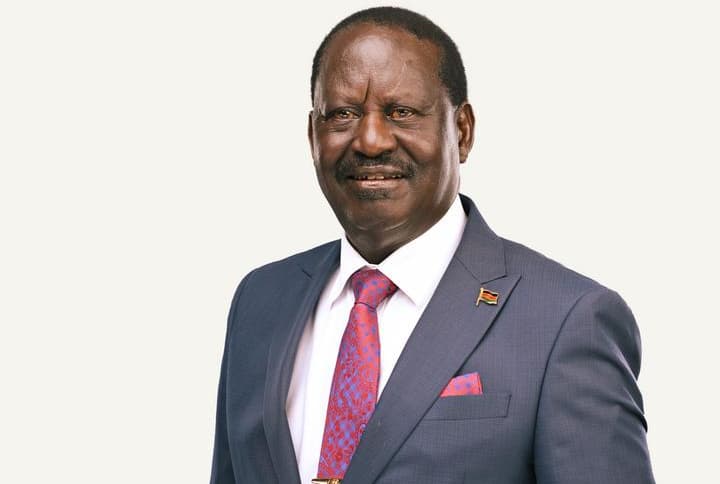
What keeps him relevant? Adaptability. Orengo has survived the betrayal of FORD-Kenya, the wilderness years of the early 2000s, and the shifting dynamics of the handshake era. He knows when to attack and when to negotiate. He remains Raila Odinga's most trusted general, the man who reads the fine print before the deal is signed.
As Kenya moves deeper into the 2020s, Orengo's role as a guardian of the democratic space remains vital. He is a reminder of where the country has come from, and a watchdog for where it is going. He is, indeed, a man for all seasons.
"Governments come and go," Orengo once said. "But the people remain. And I remain with them."
Keep the conversation in one place—threads here stay linked to the story and in the forums.
Sign in to start a discussion
Start a conversation about this story and keep it linked here.
Other hot threads
E-sports and Gaming Community in Kenya
Active 9 months ago
The Role of Technology in Modern Agriculture (AgriTech)
Active 9 months ago
Popular Recreational Activities Across Counties
Active 9 months ago
Investing in Youth Sports Development Programs
Active 9 months ago
Key figures and persons of interest featured in this article