We're loading the full news article for you. This includes the article content, images, author information, and related articles.
Israel asserts the total degradation of Iranian nuclear and missile capacity as the conflict reaches a critical four-week mark, roiling global oil markets.

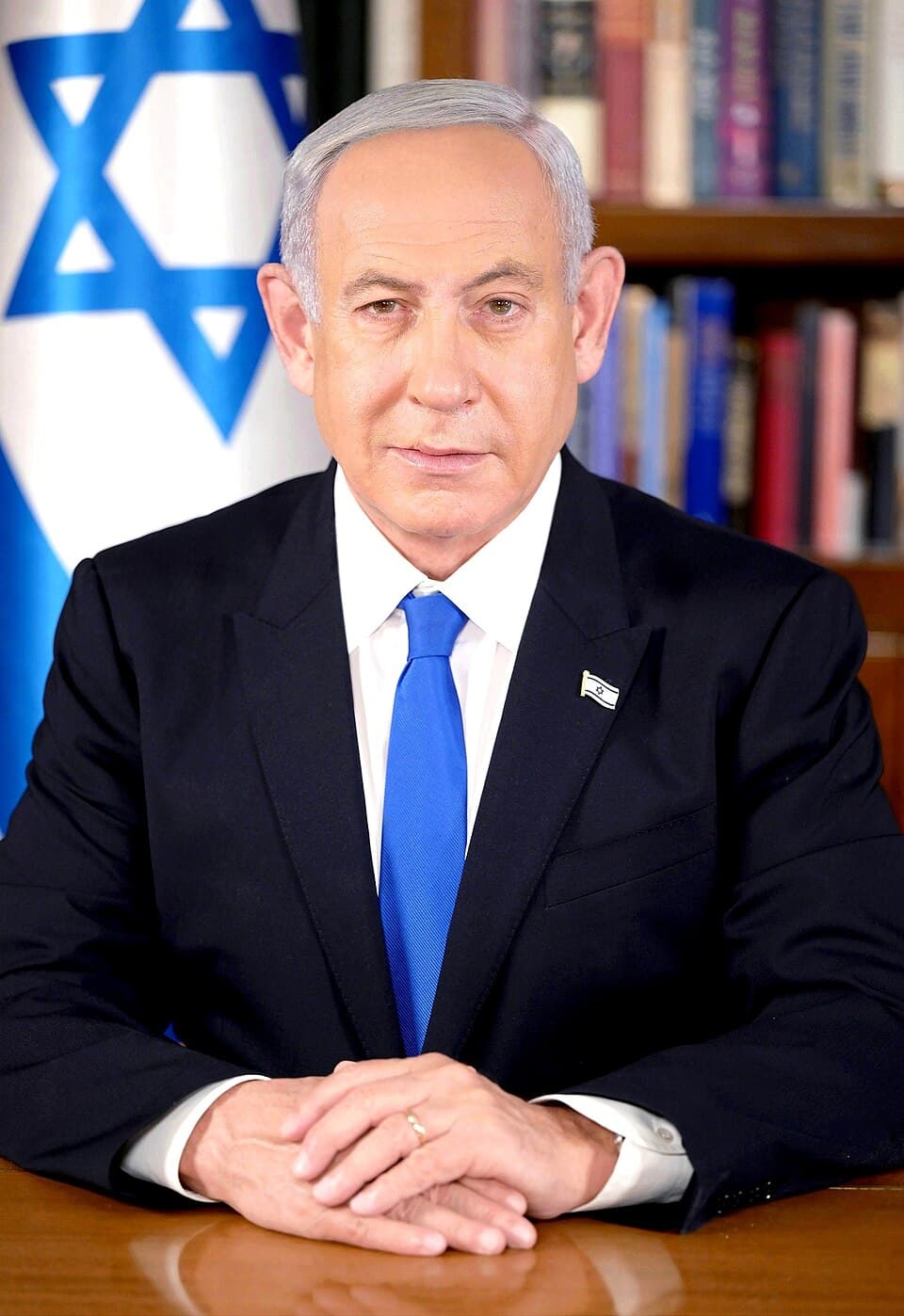
The silence that follows a siren in Tehran now carries the weight of a transformed Middle East. Four weeks into the conflict dubbed Operation Epic Fury, Israeli Prime Minister Benjamin Netanyahu has declared a strategic turning point: the systematic eradication of Iran's capacity to enrich uranium and manufacture ballistic missiles. As the dust settles from the latest wave of airstrikes, the assertion marks a bold, if contested, milestone in a war that has fundamentally dismantled the geopolitical and economic architecture of the region.
For global markets and local economies like Kenya, the fallout is no longer theoretical. It is an immediate, high-pressure reality. As energy supply chains fracture and shipping lanes through the Strait of Hormuz effectively grind to a halt, the cost of this conflict is measured in more than just military sorties. It is being paid at fuel pumps from Nairobi to New York, as global oil markets grapple with the largest supply disruption in modern history. The stakes now transcend the theater of war they are embedded in the price of every commodity imported across the globe.
Prime Minister Netanyahu’s declaration—that Iran no longer possesses the industrial infrastructure required for nuclear enrichment or long-range missile production—represents the culmination of nearly 900 initial strikes launched by the joint U.S.-Israeli coalition. Military analysts observe that this phase of the conflict has moved beyond deterrence into an explicit campaign of industrial attrition. By systematically targeting the factories, components assembly plants, and storage depots that form the backbone of Iran’s military-industrial complex, the coalition aims to leave a void that cannot be quickly refilled.
However, independent security experts urge caution regarding these claims of total incapacitation. While satellite imagery and intelligence reports confirm severe damage to major facilities, the decentralized nature of Iranian infrastructure suggests that manufacturing capabilities may have been dispersed into hardened, underground bunkers. The conflict has evolved into a war of attrition where intelligence dominance dictates survival. The following data points illustrate the intensity of the campaign over the last four weeks:
For Kenya, the war is an import-dependency trap. A report by the Institute of Economic Affairs released this week highlights the acute vulnerability of the Kenyan economy to these regional disruptions. Kenya sources the overwhelming majority of its refined petroleum from Gulf nations now engulfed in the conflict. The blockade of the Strait of Hormuz, caused by the effective shutdown of tanker routes, has not only spiked global crude prices—with Brent crude volatility surging above $115 per barrel—but has also introduced a massive "war risk premium" on maritime insurance.
The impact is cascading through the Kenyan domestic market. Logistics firms are reporting higher freight charges as ships reroute, while manufacturers face critical shortages of raw materials. Economists warn that this supply-side shock is inflationary. When the cost of moving goods increases, it inevitably forces a rise in the price of basic foodstuffs and household necessities. For a country already grappling with currency fluctuations, the surge in the import bill for fuel—which accounts for a significant portion of national expenditure—is placing severe pressure on the shilling and shrinking the fiscal space available for development.
Beyond the ledger books, the human cost of the war remains the most harrowing statistic. The conflict has triggered a humanitarian crisis of significant proportions. With Iranian retaliatory missile strikes targeting infrastructure in neighboring states, and the coalition’s campaign extending into diverse theaters, the diplomatic stability of the Middle East is currently non-existent. International observers are struggling to create channels for de-escalation, but with the leadership in Tehran in flux following the strikes of late February, traditional diplomatic backchannels have largely severed.
The uncertainty is creating a bifurcated global market. On one side, futures markets are betting on a quick resolution, keeping the long-term price outlook relatively suppressed. On the other, the physical market is pricing the immediate, grim reality of stranded tankers and broken supply chains. For businesses and families in Kenya, this disconnect provides little comfort. The reality is felt in the steady climb of retail fuel prices and the tightening of credit as financial institutions account for the heightened risk environment.
As the conflict enters its second month, the question for global leaders is no longer about military objectives, but about the long-term sustainability of the international order. Can a nation’s entire industrial capability be "decimated" to dust, or does such an outcome merely force the conflict into a more persistent, shadow-war phase? The silence in Tehran is unlikely to last, and for those watching from the global periphery, the cost of waiting for a resolution continues to rise with every passing day.
Keep the conversation in one place—threads here stay linked to the story and in the forums.
Sign in to start a discussion
Start a conversation about this story and keep it linked here.
Other hot threads
E-sports and Gaming Community in Kenya
Active 10 months ago
The Role of Technology in Modern Agriculture (AgriTech)
Active 10 months ago
Popular Recreational Activities Across Counties
Active 10 months ago
Investing in Youth Sports Development Programs
Active 10 months ago
Key figures and persons of interest featured in this article