We're loading the full news article for you. This includes the article content, images, author information, and related articles.
Iran is refusing to export its 300kg stockpile of highly enriched uranium, but is willing to dilute the purity of the stockpile held in Iran under IAEA supervision.
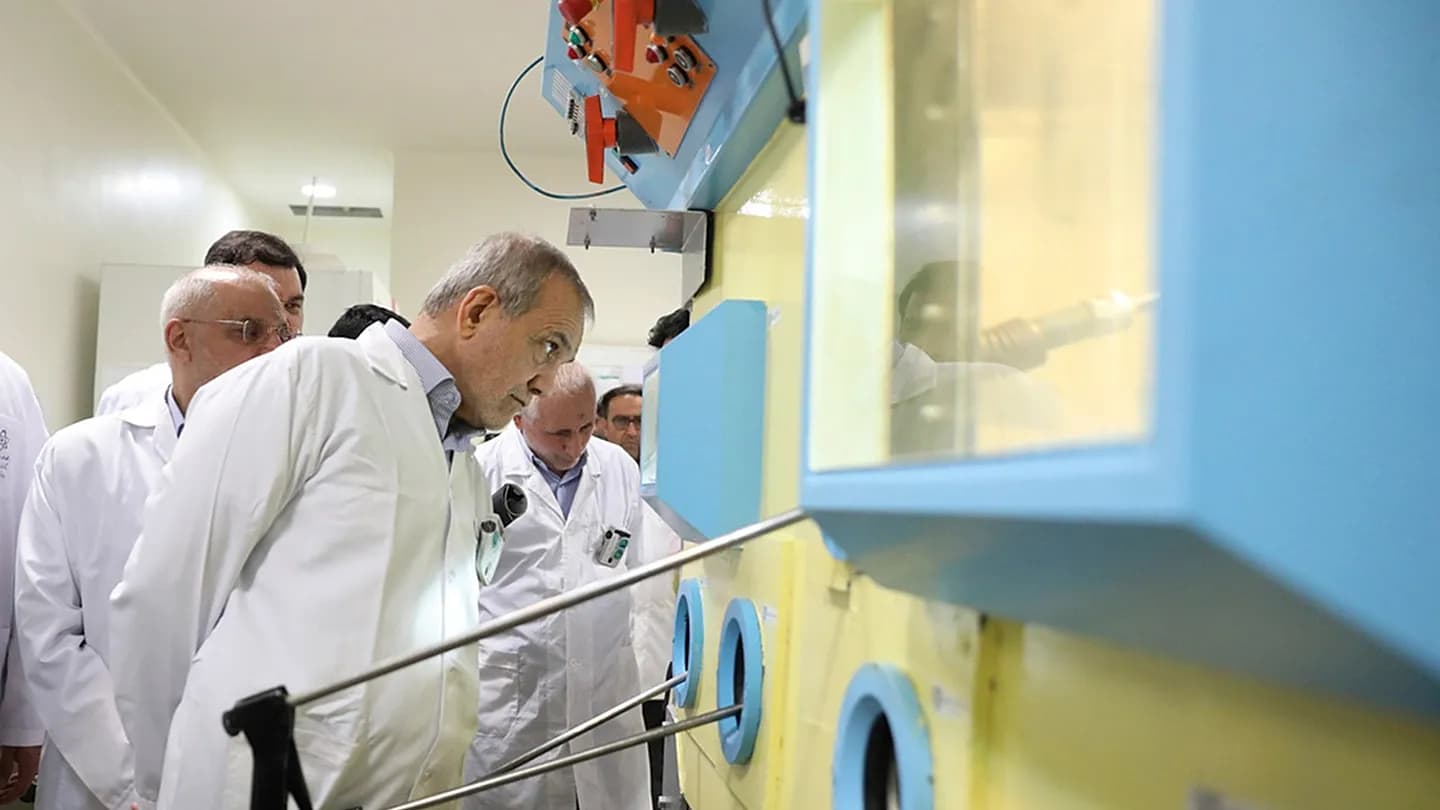
Iran is refusing to export its 300kg stockpile of highly enriched uranium, but is actively proposing to dilute the purity of the stockpile held domestically under the strict supervision of the UN nuclear inspectorate, creating a high-stakes geopolitical standoff.
As the drums of war beat louder across the Persian Gulf, Tehran has placed a bold new nuclear proposal on the diplomatic table. The dramatic move comes exactly as US President Donald Trump weighs whether to authorize devastating military strikes from an amassed naval fleet in the Middle East.
The ramifications of this standoff extend far beyond the Middle East, threatening to upend global oil markets and send immediate shockwaves through developing economies like Kenya. With Nairobi already grappling with macroeconomic pressures, any disruption in the Strait of Hormuz could cause a severe spike in imported fuel costs, translating to immediate and painful inflationary pressure on the common mwananchi.
According to high-level Iranian sources close to the ongoing negotiations, the Islamic Republic remains unequivocally steadfast in its refusal to export its current 300-kilogram inventory of highly enriched uranium. This specific stockpile, enriched up to 60 percent—perilously close to the 90 percent threshold required for weapons-grade material—has been the primary focal point of intense Western anxiety. However, in what appears to be a highly calculated diplomatic concession designed to avert war, Tehran has offered to 'down-blend' or dilute this material to a purity level of 20 percent or significantly lower.
This critical dilution process would occur strictly within Iran's borders and under the continuous, watchful eye of the United Nations' nuclear watchdog, the International Atomic Energy Agency (IAEA). Iranian Foreign Minister Abbas Araghchi has publicly asserted that Washington has not explicitly demanded a complete cessation of domestic enrichment activities during these preliminary talks. Instead, the current diplomatic wrangling is intensely focused on capping the permissible enrichment purity levels and strictly limiting the operational number of advanced centrifuges deployed at key facilities.
While the diplomatic chess match unfolds behind closed doors in Vienna and Washington, the economic implications are being closely monitored in East Africa. The Middle East remains a critical artery for global energy supplies, and a military confrontation—or even a prolonged escalation of tensions—would inevitably disrupt vital oil shipments to the African continent.
For Kenya, a net importer of petroleum products, the consequences would be immediate, direct, and severe. Global crude prices could easily surge past the $100 per barrel mark in the event of hostilities. Translated into local economic terms, this could mean an additional burden of billions of shillings on the national import bill. At current exchange rates, a spike in global oil prices could push local pump prices significantly higher, forcing the Energy and Petroleum Regulatory Authority (EPRA) to adjust tariffs aggressively upward. A mere $10 (approx. KES 1,300) increase per barrel on the global market directly impacts transportation and manufacturing costs across the nation.
The success or spectacular failure of Iran's dilution proposal hinges entirely on the credibility and robustness of the verification regime. For the international community, and specifically the hawkish elements within the US administration, to accept this compromise, the IAEA must be granted unfettered, unprecedented, and continuous access to all of Iran's nuclear facilities. The agency needs absolute certainty that the down-blending process is irreversible and that no clandestine enrichment activities are occurring parallel to the declared program.
The coming days are critical. The Iranian counterproposal is expected to be formally presented to the US shortly. Whether this offer of domestic dilution paired with enhanced IAEA monitoring is sufficient to avert military action remains the defining geopolitical question of the hour. As the US military reportedly reaches an advanced stage of planning for potential strikes—including heavily debated options for targeting specific leadership figures—the window for a peaceful diplomatic resolution is rapidly narrowing by the hour.
'Washington has not asked Tehran to permanently suspend uranium enrichment,' Araghchi noted in a recent television interview broadcast at 20:00 EAT, carefully framing the narrative to suggest room for maneuver. However, the ultimate decision rests in the Oval Office, where the threshold for acceptable risk is notoriously difficult to predict.
The world now watches with bated breath, fully aware that a single miscalculation could ignite a regional conflagration with devastating global consequences.
Keep the conversation in one place—threads here stay linked to the story and in the forums.
Sign in to start a discussion
Start a conversation about this story and keep it linked here.
Other hot threads
E-sports and Gaming Community in Kenya
Active 9 months ago
The Role of Technology in Modern Agriculture (AgriTech)
Active 9 months ago
Popular Recreational Activities Across Counties
Active 9 months ago
Investing in Youth Sports Development Programs
Active 9 months ago