We're loading the full news article for you. This includes the article content, images, author information, and related articles.
Iranian diplomats have entered critical nuclear negotiations in Geneva, boldly claiming a diplomatic agreement with the United States remains highly achievable.
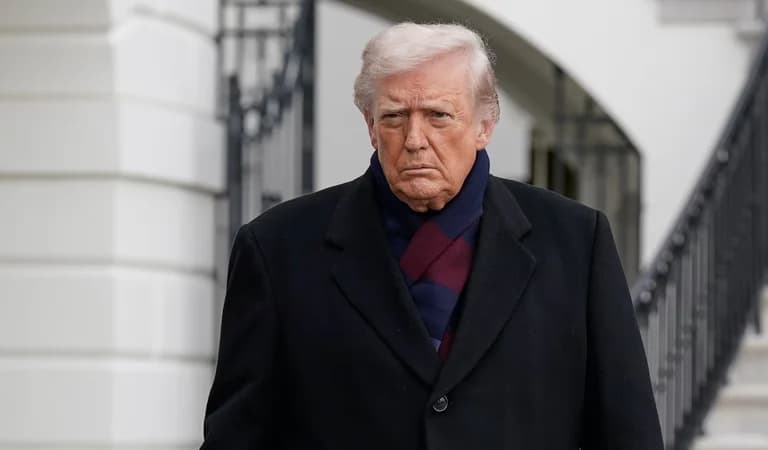
Iranian diplomats have entered critical nuclear negotiations in Geneva, boldly claiming a diplomatic agreement with the United States remains highly achievable.
The global geopolitical landscape is currently holding its collective breath as high-stakes, indirect nuclear negotiations resume in the neutral Swiss city of Geneva. Iranian diplomats have forcefully entered the critical talks with the United States, maintaining a surprisingly optimistic posture. Tehran insists that a comprehensive agreement to drastically cool raging Middle Eastern tensions is firmly within reach, provided the American delegation adheres to previously established, core diplomatic parameters.
This critical diplomatic engagement is unfolding against a terrifying backdrop of heavily escalating military posturing. The United States has aggressively deployed massive naval and aerial assets to the region in a blunt show of force, aiming to severely pressure Tehran into a corner. These talks represent the absolute last line of defense against a catastrophic regional conflict that threatens to immediately consume the entire Middle East and drastically disrupt global energy supplies.
The Iranian delegation, operating under strict directives from Supreme Leader Ali Khamenei, has outlined three completely non-negotiable preconditions for any successful diplomatic breakthrough. Firstly, Washington must unequivocally concede Iran's symbolic, sovereign right to enrich uranium for peaceful civilian purposes. Secondly, Tehran demands the autonomous right to dilute its current stockpile of highly enriched uranium without intense international micromanagement. Finally, and most contentiously, Iran entirely refuses to accept any newly imposed, crippling controls on its vast ballistic missile program.
However, the highly volatile rhetoric emanating from the United States casts a dark, ominous shadow over the negotiation tables. Recent highly aggressive addresses from the US administration have sharply veered away from the carefully constructed negotiating path. Biting accusations labeling Iran as the primary sponsor of global terrorism, coupled with explicit military threats, have severely poisoned the diplomatic atmosphere. The fundamental question remains whether the US negotiators in Geneva possess the mandate to honor prior agreements or if they are operating under a newly destructive directive.
For citizens in Nairobi and across East Africa, the diplomatic wrangling in Geneva is a matter of critical economic survival. Any breakdown in these nuclear talks that triggers a direct military confrontation in the Persian Gulf will result in an immediate, catastrophic disruption of global crude oil supplies. Because the Kenyan economy is heavily reliant on imported petroleum products, the economic fallout would be instantaneous and completely devastating.
A sudden spike in global barrel prices would force the Energy and Petroleum Regulatory Authority (EPRA) to drastically hike local pump prices well beyond the KES 200 per liter threshold. This would trigger a massive, uncontrollable inflationary wave, brutally driving up the cost of public transportation, essential food distribution, and electricity generation. For the Kenyan consumer, who is already grappling with a brutally high cost of living, an Iranian-US war is the ultimate nightmare scenario that must be avoided at all costs.
The stakes simply could not be higher. Iranian Foreign Minister Abbas Araghchi has explicitly warned that any preemptive military strike on Iranian soil will be met with immediate, overwhelming retaliation. The resulting conflagration would draw in multiple regional actors, effectively plunging the entire hemisphere into a devastating, unwinnable war of attrition.
"There would be no victory for anybody—it would be an absolutely devastating war that the global economy cannot survive," Araghchi grimly noted just hours before boarding his flight to Geneva.
Keep the conversation in one place—threads here stay linked to the story and in the forums.
Sign in to start a discussion
Start a conversation about this story and keep it linked here.
Other hot threads
E-sports and Gaming Community in Kenya
Active 9 months ago
The Role of Technology in Modern Agriculture (AgriTech)
Active 9 months ago
Popular Recreational Activities Across Counties
Active 9 months ago
Investing in Youth Sports Development Programs
Active 9 months ago