We're loading the full news article for you. This includes the article content, images, author information, and related articles.
In a bold rebuttal to critics, Dr. Ruth Joyce Kaguta argues that civilian oversight is the only path to restoring public trust in a police force besieged by allegations of brutality.
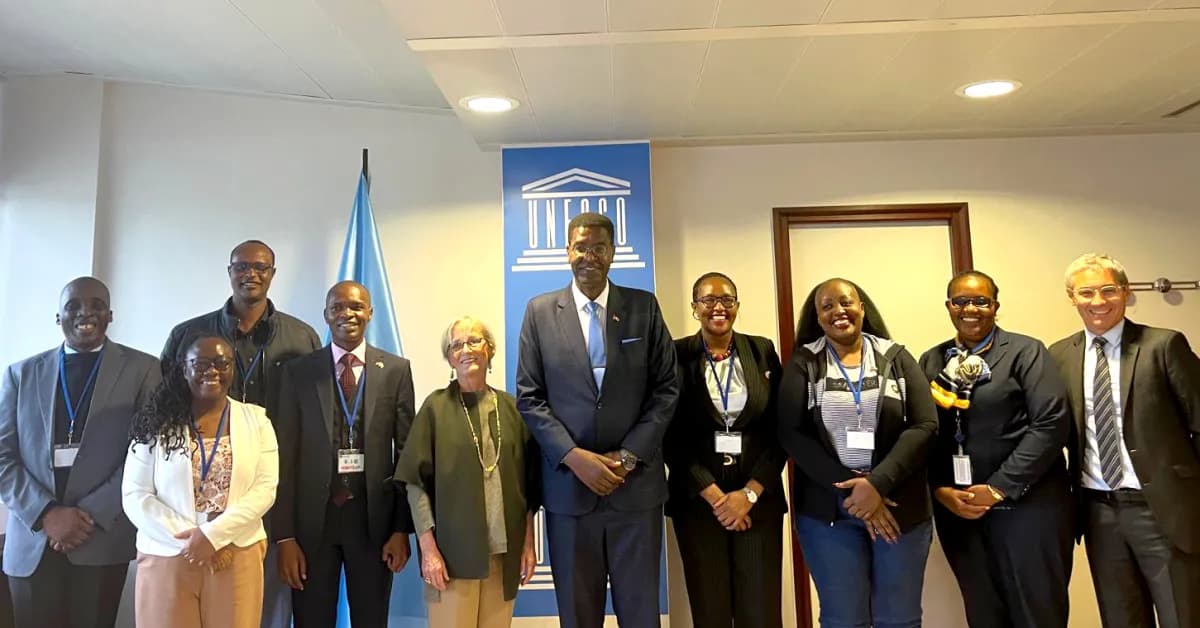
NAIROBI — In a definitive pushback against claims that civilian oversight hampers law enforcement, Dr. Ruth Joyce Kaguta, a senior director at the Independent Policing Oversight Authority (IPOA), has declared that accountability is the bedrock of effective policing, not its adversary.
Writing in the Daily Nation on Tuesday, Kaguta addressed a simmering tension within Kenya’s security sector: the belief among some officers and critics that oversight bodies slow down operations and undermine command structures. Her rebuttal was sharp and unequivocal. "Demanding accountability is not anti-policing," she wrote. "It is pro-democracy, pro-professionalism, and ultimately pro-security."
Kaguta’s intervention comes at a critical moment. Public trust in the National Police Service remains fragile following the widespread protests of 2024, where excessive use of force was widely documented. A recent report by Amnesty International, Unchecked Injustice, highlighted a pattern of unlawful killings and a persistent failure to prosecute officers, deepening the rift between the police and the public they serve.
Kaguta, who heads IPOA’s Complaints Management unit, emphasized that the "operational independence" guaranteed to the police by the Constitution does not equate to immunity. She argued that when families wait outside police stations for loved ones who never return, the theoretical debate about oversight ends, and a painful human reality begins.
A seasoned Advocate of the High Court with a PhD in Law and Criminology, Kaguta brought a rigorous legal perspective to the debate. She warned that the true cost of unaccountable policing is borne by ordinary citizens—the grieving parent, the injured protester, and the traumatized witness.
"They seek admission of fault, recognition, dignity, and the comfort that the law feels their loss," she stated. Her comments serve as a reminder that the 2010 Constitution settled the question of whether oversight is necessary; the challenge now is making it work effectively.
Analysts view her statement as a signal that IPOA intends to assert its mandate more aggressively in the coming year. With police reforms still a central topic of national dialogue, the Authority is positioning itself not just as a watchdog, but as a necessary partner in professionalizing the service.
"Effective policing depends on public trust," Kaguta concluded, drawing a direct line between the conduct of officers and the safety of the nation. "Policing is strengthened, not weakened, by oversight."
Keep the conversation in one place—threads here stay linked to the story and in the forums.
Sign in to start a discussion
Start a conversation about this story and keep it linked here.
Other hot threads
E-sports and Gaming Community in Kenya
Active 9 months ago
The Role of Technology in Modern Agriculture (AgriTech)
Active 9 months ago
Popular Recreational Activities Across Counties
Active 9 months ago
Investing in Youth Sports Development Programs
Active 9 months ago