We're loading the full news article for you. This includes the article content, images, author information, and related articles.
A breakaway faction of the Orange Democratic Movement has unveiled an alternative People’s Report, directly contradicting the party’s 10-point agenda.

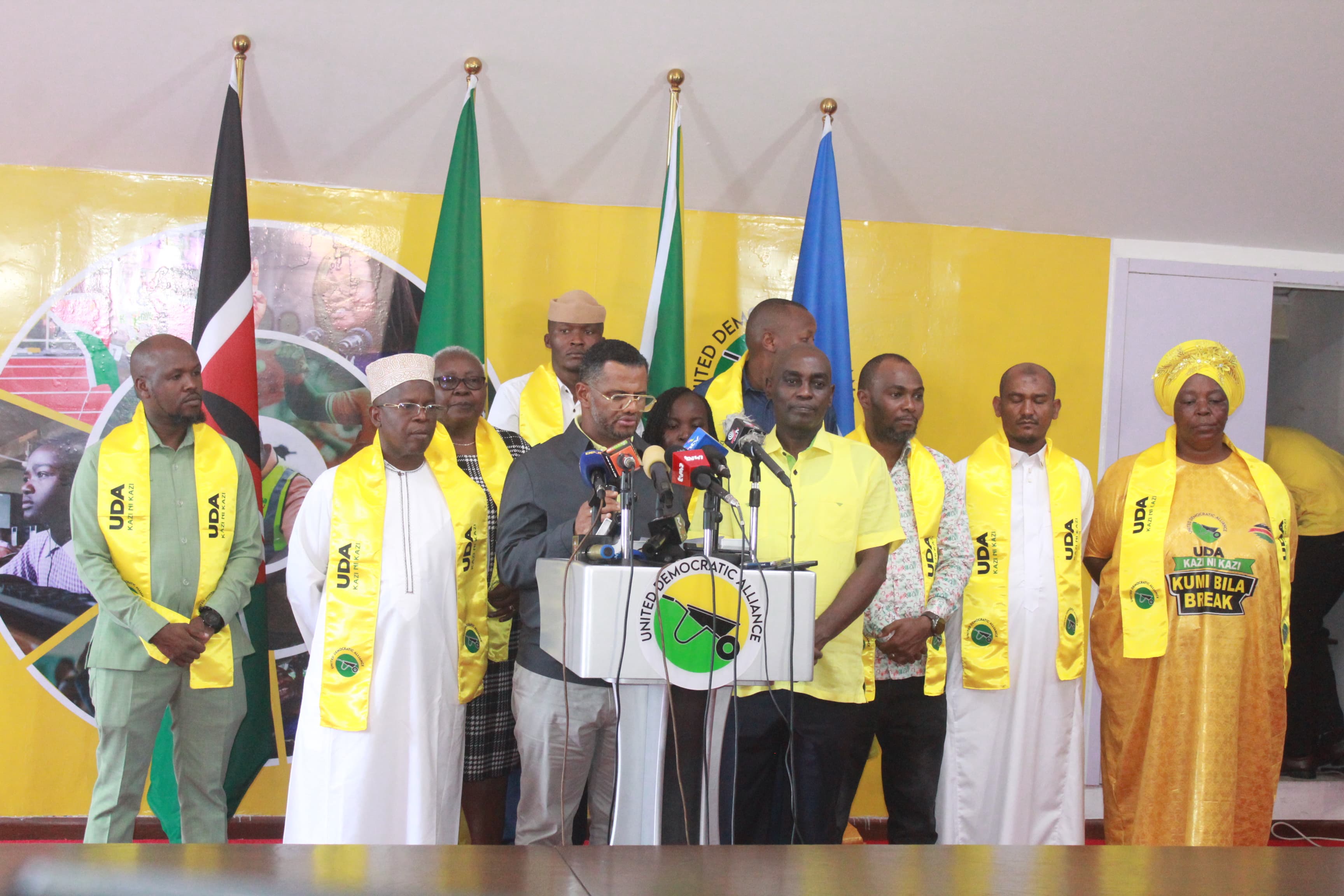
A quiet room at a Nairobi hotel transformed into a battleground for Kenya’s political future on Wednesday morning as a faction of the Orange Democratic Movement (ODM) broke ranks, publicly repudiating the party’s flagship 10-point agenda. The release of an alternative document, titled the People’s Report, marks the most significant internal schism in the party since the 2022 general elections, signaling a deepening crisis within the political machinery that has long defined the opposition landscape.
This development carries profound implications for the stability of the ODM and, by extension, the broader political realignment currently shaping the nation. As both the ruling administration and opposition parties recalibrate their strategies for the coming electoral cycles, the emergence of this dissent suggests that the party’s central leadership is struggling to maintain a cohesive front against the pressures of economic volatility and shifting voter allegiances. At stake is not just the legislative influence of a major party, but the trust of millions of citizens who view the party as their primary conduit for governance reform.
The People’s Report, presented by a consortium of vocal, party-affiliated legislators, explicitly characterizes the official ODM 10-point agenda as a fundamental disconnect from the realities facing the average Kenyan. The document argues that the leadership’s recent policy directives have drifted away from the party’s historic focus on social justice and devolution, opting instead for a compromise-heavy approach that the rebels label as political fraud. The timing of this release is calculated, occurring just as parliamentary debates on the revised national budget are set to commence, effectively forcing a choice between the party’s official position and the alternative proposed by the dissenting group.
Political analysts at the University of Nairobi have long warned that the ODM’s attempt to balance reformist roots with the pragmatic demands of coalition politics would eventually create friction. The tension, they argue, stems from the increasing difficulty of reconciling the expectations of the youth demographic with the established patronage networks that still dominate party internal processes. By releasing this report, the dissenting MPs are not merely engaging in internal debate they are crafting an exit ramp or a leverage tool, positioning themselves as the true custodians of the party’s original manifesto.
The controversy centers on the 10-point agenda, which the rebels claim prioritizes elite political maneuvering over the tangible socio-economic needs of the constituency. While the official party narrative frames this agenda as a path to national stability and economic recovery, the People’s Report offers a scathing critique of several specific pillars. The rebels take issue with proposed tax structures and infrastructure prioritization that they contend will burden the informal sector—a segment of the economy contributing significantly to the national GDP—without providing a corresponding safety net.
The economic stakes of this disagreement are stark. As the national treasury faces a KES 2.1 trillion debt servicing obligation for the 2026/2027 fiscal year, the political class is under immense pressure to deliver policies that actually drive growth. The rebels argue that the official ODM agenda is too cautious, failing to leverage the potential of the digital economy or the agricultural value chain, both of which are central to the livelihoods of their constituents. This is not a debate over abstract ideology it is a fight over how billions of shillings in tax revenue should be allocated between urban infrastructure projects and rural development initiatives.
For a resident of a marginalized region or a small-scale entrepreneur in Nairobi, the divergence between the party’s official position and the rebels’ report represents a choice between two futures. One path favors institutional stability and incremental change, while the other demands radical restructuring. The People’s Report effectively frames the official agenda as a continuation of policies that have failed to lower the cost of basic commodities, which remain roughly 18% higher than they were in the same period last year. The rebels are leveraging this frustration, positioning themselves as the voice of the suffering voter.
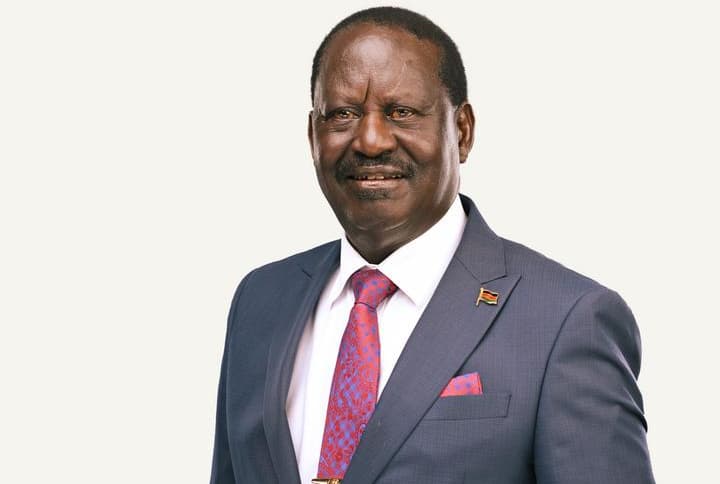
This move is a high-stakes gamble for the dissenting legislators. By challenging the party leadership—often synonymous with the figure of Raila Odinga—they risk expulsion, the withdrawal of party support in the next election, and political ostracization. However, history in Kenyan politics shows that such rebellions can occasionally act as a catalyst for wider reform. Whether this movement gains traction depends on the response of the party machinery over the coming weeks. If the leadership chooses to purge the rebels, it may galvanize their support among grassroots voters who feel alienated by the status quo. If they choose to negotiate, it could lead to the most significant policy shift in the party’s recent history.
Ultimately, this document serves as a mirror reflecting the broader fractures in the nation’s political landscape. As the country moves toward another cycle of intense political activity, the credibility of these two competing visions will be tested in the halls of Parliament and on the campaign trail. The question remains whether the party can bridge this divide or if the release of the People’s Report is the beginning of a formal fragmentation that will redefine the opposition in the years ahead.
Keep the conversation in one place—threads here stay linked to the story and in the forums.
Sign in to start a discussion
Start a conversation about this story and keep it linked here.
Other hot threads
E-sports and Gaming Community in Kenya
Active 9 months ago
The Role of Technology in Modern Agriculture (AgriTech)
Active 9 months ago
Popular Recreational Activities Across Counties
Active 9 months ago
Investing in Youth Sports Development Programs
Active 9 months ago
Key figures and persons of interest featured in this article