We're loading the full news article for you. This includes the article content, images, author information, and related articles.
The resignation of Joe Kent as US counter-terrorism chief, amid a probe into alleged leaks regarding the Iran war, signals a deepening political fracture.

The quiet hallways of the National Counterterrorism Center in Washington have been upended by a criminal inquiry that strikes at the heart of the American intelligence apparatus. Joe Kent, the director who resigned his post earlier this week, now finds himself the subject of a federal investigation following his public denunciation of the White House’s military strategy in Iran.
The investigation, confirmed by reports from multiple national outlets, focuses on alleged leaks of classified information, a development that transforms a policy disagreement into a legal battle. This probe began before Kent’s formal resignation on Tuesday, signaling that the friction between the administration and its top security officials had reached a breaking point long before the public fallout.
Kent’s departure serves as the most visible manifestation of a deepening rift within the upper echelons of the Trump administration regarding Middle Eastern policy. By stepping down, Kent became the first senior official to publicly break ranks over the airstrikes conducted on 28 February, which have since sparked a flurry of regional volatility.
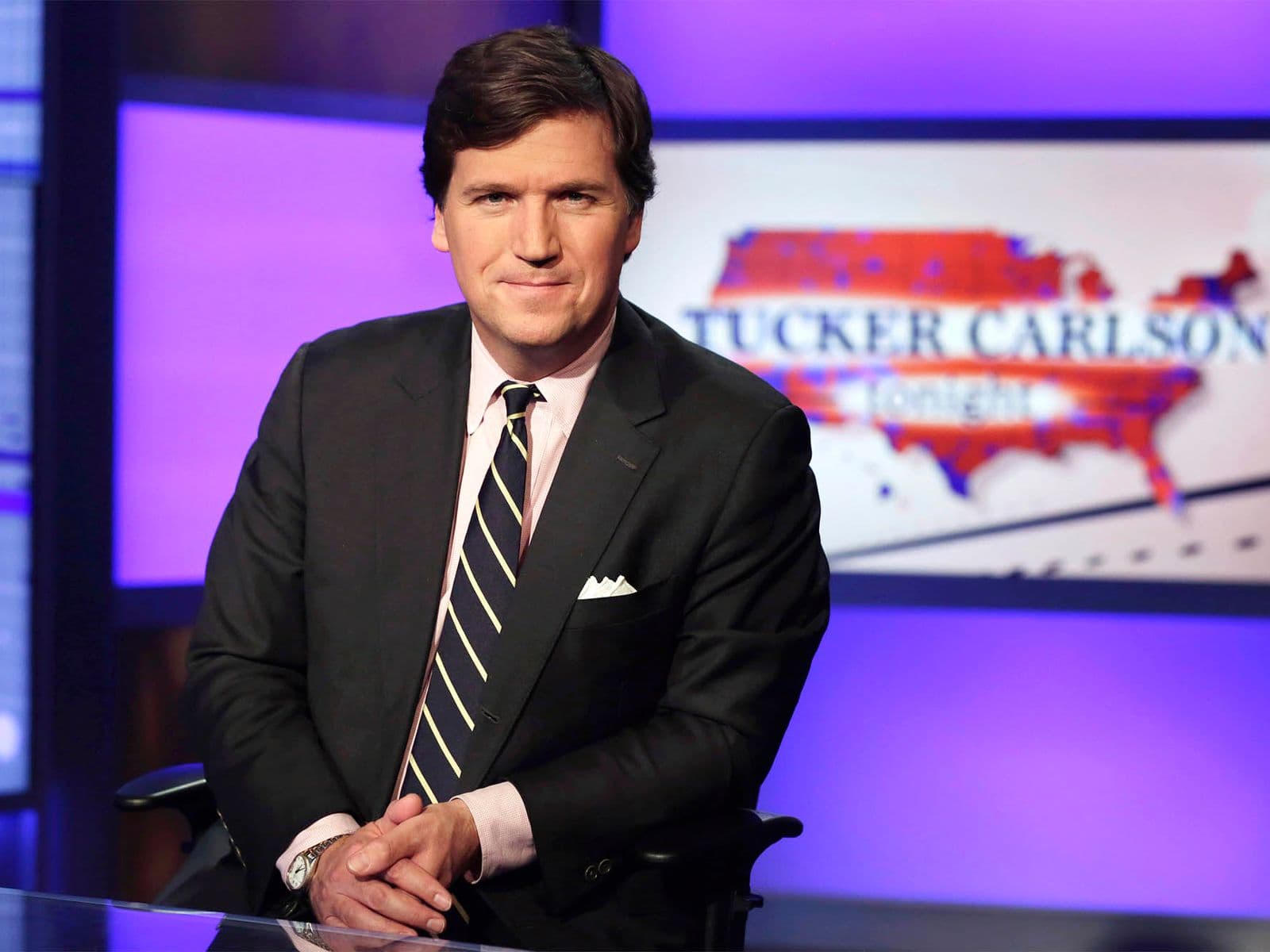
In a recent interview with media personality Tucker Carlson, Kent painted a grim picture of a White House insulated from internal dissent. He argued that the decision-making process was compromised by a failure to engage with the intelligence community, claiming that key advisers were systematically excluded from presenting alternative views to the President.
The contention rests on the nature of the intelligence itself. Kent asserted that there was no credible intelligence suggesting that Iran posed an imminent threat to the United States. His public comments suggest that the administration may have bypassed standard analytical channels, relying instead on external input that did not align with the established security consensus.
The timeline of the current crisis highlights the speed at which regional tensions escalated from diplomatic standoff to military engagement. The events of late February have left international observers, particularly in the Global South, bracing for prolonged economic instability.
Central to Kent’s critique is the role of foreign influence in shaping American military posture. During his interview, Kent alleged that Israeli officials exerted undue pressure on the White House, providing intelligence assessments that he claimed failed to meet the rigorous standards of the American intelligence community.
This rhetoric has proven polarizing. Critics argue that referencing an Israeli lobby in the context of high-stakes military strikes utilizes offensive tropes, drawing comparisons to past controversies surrounding figures who have sought to influence national security debates. Yet, for policymakers, the core issue remains the integrity of the information chain.
If, as Kent suggests, the administration acted on intelligence that bypassed the National Counterterrorism Center, it sets a precarious precedent. The implications extend far beyond Washington, affecting the credibility of US security guarantees and the stability of global energy markets.
While the drama unfolds in the corridors of Washington, the impact is felt acutely in markets thousands of kilometers away. For the Kenyan economy, the instability in the Middle East is not merely a geopolitical headline it is a direct threat to the cost of living.
Kenya relies heavily on imported refined petroleum products. Even a modest surge in global oil prices, triggered by the prospect of a wider conflict in Iran, ripples immediately through the local economy. An increase of $5 (approximately KES 650) per barrel of crude translates into higher transportation costs, which then filter through to the price of basic food commodities and manufacturing output.
Economists at the University of Nairobi warn that a sustained conflict could erode the gains made in stabilizing the Shilling against the dollar. Furthermore, Kenya’s position as a diplomatic hub for United Nations operations in East Africa requires a delicate balancing act. As a key partner in regional security, the Kenyan government must navigate the strain of maintaining strong US alliances while advocating for a de-escalation that protects the vulnerable economies of the African continent.
The FBI’s investigation into Kent creates a chilling effect on internal dissent. By framing the conflict as a leak inquiry, the administration creates a legal barrier that discourages other officials from questioning the evidentiary basis of national security decisions.
The central question remains: Was Kent’s breach of protocol an act of whistleblowing necessitated by a reckless foreign policy, or a violation of his security oath? As the bureau continues its review, the answer to this question will likely define the parameters of civil-military relations for the remainder of the presidential term. The silence from the White House regarding the specifics of the investigation suggests that the administration is preparing for a long, contentious public battle over the narrative of the Iran conflict.
Ultimately, the departure of a high-level counter-terrorism official is never an isolated event. It is a symptom of a systemic friction between the requirements of national security and the impulses of political leadership, a conflict that shows no signs of resolution.
Keep the conversation in one place—threads here stay linked to the story and in the forums.
Sign in to start a discussion
Start a conversation about this story and keep it linked here.
Other hot threads
E-sports and Gaming Community in Kenya
Active 10 months ago
Popular Recreational Activities Across Counties
Active 10 months ago
The Role of Technology in Modern Agriculture (AgriTech)
Active 10 months ago
Investing in Youth Sports Development Programs
Active 10 months ago
Key figures and persons of interest featured in this article