We're loading the full news article for you. This includes the article content, images, author information, and related articles.
The renewed air link between the two Asian giants, both key trade and development partners for Nairobi, signals a significant geopolitical shift with potential implications for Kenyan trade, infrastructure, and diplomatic strategy.
Direct commercial flights between India and China resumed late on Sunday for the first time in over five years, a landmark step in the normalization of relations between the two Asian powers with significant economic and political ties to Kenya. IndiGo flight 6E 1703, an Airbus A320neo carrying 176 passengers, departed from Kolkata’s Netaji Subhas Chandra Bose International Airport at approximately 10:00 PM EAT on Sunday, October 26, 2025, landing in Guangzhou, southern China, shortly before 9:00 AM EAT on Monday, October 27.
The flight path had been frozen since early 2020, initially due to the global COVID-19 pandemic. The suspension was prolonged by a sharp deterioration in diplomatic relations following a deadly border clash in the Galwan Valley in the Himalayas in June 2020. That confrontation, which involved hand-to-hand combat, resulted in the deaths of at least 20 Indian soldiers. China officially acknowledged four of its soldiers were killed, though other estimates suggest higher casualties.
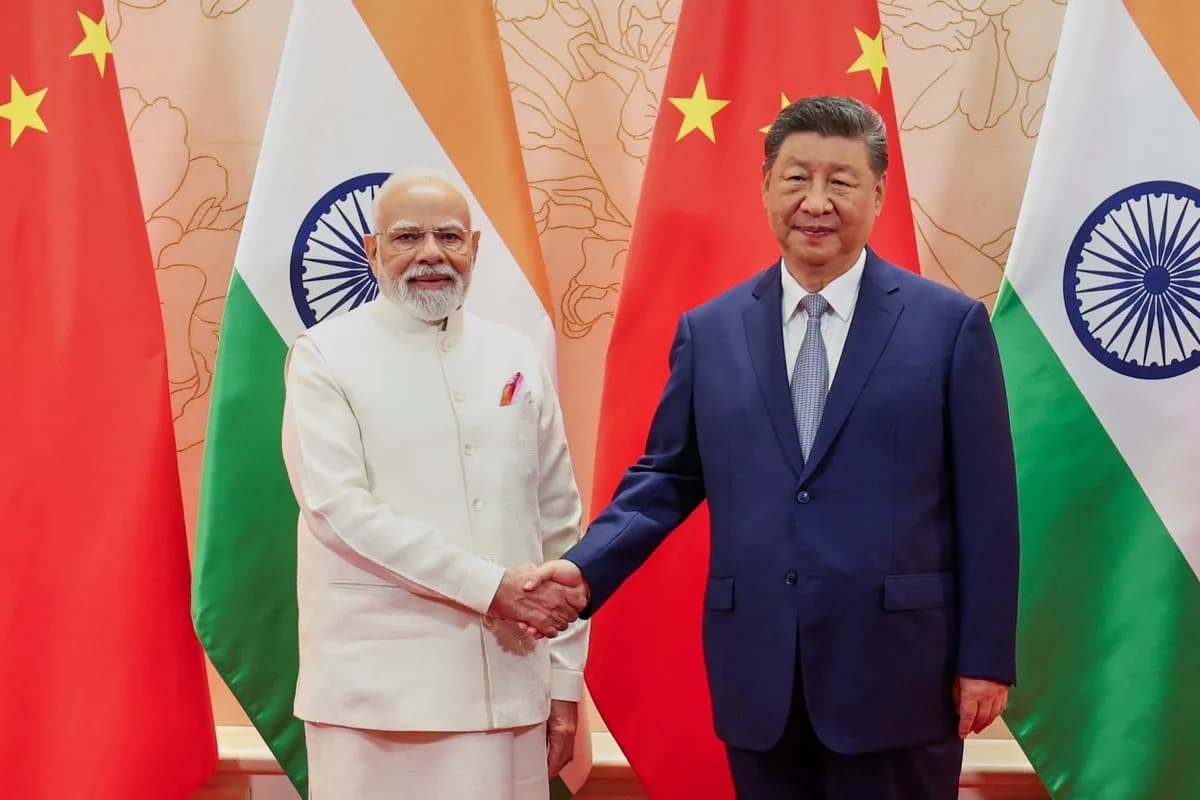
The resumption of air travel is the most visible sign yet of a diplomatic thaw that has been underway for the past year. This follows a crucial border agreement reached in October 2024 to de-escalate military tensions. Subsequent high-level meetings, including a visit by Chinese Foreign Minister Wang Yi to New Delhi in August 2025 and Indian Prime Minister Narendra Modi’s trip to Tianjin, China, for the Shanghai Cooperation Organisation (SCO) Summit that same month, paved the way for rebuilding ties. An official statement from the Indian government noted the flights would "facilitate people-to-people contact" and aid the "gradual normalisation of bilateral exchanges".
For Kenya, the rapprochement between its two most significant Asian partners carries substantial weight. China and India are, respectively, Kenya's largest and second-largest sources of imports and investment, making their bilateral relationship a critical factor in Nairobi's economic and foreign policy calculations.
According to the Kenya National Bureau of Statistics (KNBS), the trade deficit with China widened to Sh295.80 billion in the first half of 2025, with imports reaching Sh304.65 billion against exports of just Sh8.85 billion. Meanwhile, bilateral trade with India stood at USD $3.351 billion in the 2023-24 fiscal year, heavily skewed in New Delhi's favour with Indian exports to Kenya valued at $3.175 billion. The renewed stability between these economic giants could reshape their engagement in East Africa.
Both nations are key players in Kenya's infrastructure development. China's Belt and Road Initiative (BRI) has financed major projects, including the Standard Gauge Railway (SGR) and the Nairobi Expressway. India, identified by the Kenya Investment Authority as the country's second-largest investor, has a strong presence in manufacturing, pharmaceuticals, and banking, with over 60 major companies operating locally. A less adversarial relationship between Beijing and New Delhi could reduce strategic competition on Kenyan soil, potentially fostering a more stable investment environment. However, it could also lead to coordinated strategies that might alter the negotiating dynamics for major infrastructure and trade deals.
The aviation sector will also be watching closely. The direct India-China link is set to expand, with IndiGo planning a Delhi-Guangzhou route from November 10, and China Eastern Airlines restarting its Shanghai-Delhi service on November 9. This increased connectivity could eventually lower airfare costs for Kenyans traveling to Asia and open new logistical corridors for trade. The development puts a spotlight on Kenya Airways' own strategic partnerships and route networks within the continent and beyond, as competition on Asian routes intensifies.
Ultimately, the resumption of direct flights is more than a logistical development; it is a barometer of a significant geopolitical realignment. For Kenya, navigating its relationships with a cooperating—rather than conflicting—India and China will require a nuanced diplomatic and economic strategy to maximize benefits and safeguard its national interests in a changing global landscape.
Keep the conversation in one place—threads here stay linked to the story and in the forums.
Sign in to start a discussion
Start a conversation about this story and keep it linked here.
Other hot threads
E-sports and Gaming Community in Kenya
Active 9 months ago
The Role of Technology in Modern Agriculture (AgriTech)
Active 9 months ago
Popular Recreational Activities Across Counties
Active 9 months ago
Investing in Youth Sports Development Programs
Active 9 months ago