We're loading the full news article for you. This includes the article content, images, author information, and related articles.
A devastating Improvised Explosive Device attack in Fafi Sub-County has left three General Service Unit officers severely injured, underscoring the persistent terror threat.
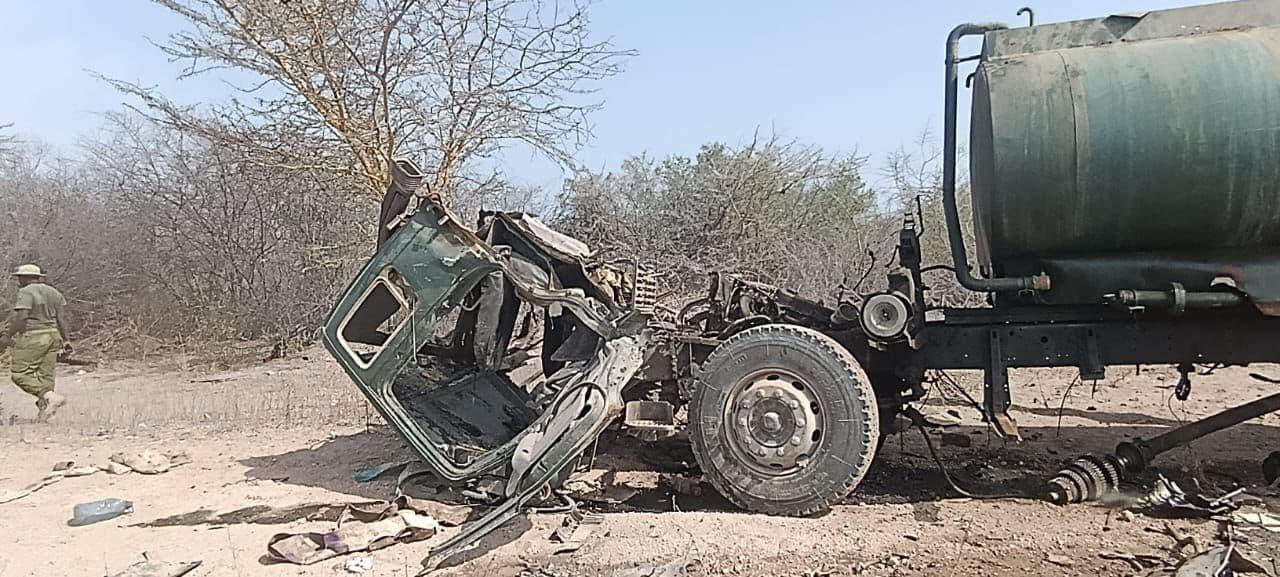
A devastating Improvised Explosive Device attack in Fafi Sub-County has left three General Service Unit officers severely injured, underscoring the persistent terror threat along the porous Kenya-Somalia border.
The relentless shadow of insurgency continues to heavily disrupt security operations in Northern Kenya. In a highly calculated morning ambush, suspected militants targeted a vital logistics vehicle, demonstrating the tactical evolution of terror networks operating in the harsh frontier.
This attack matters deeply because it highlights the deadly intersection of severe environmental scarcity and asymmetrical warfare. Security forces operating in the arid Garissa region are continuously forced to expose themselves to extreme danger simply to secure basic survival resources like water, making them highly predictable and incredibly vulnerable targets for entrenched militant cells.
The horrifying incident unfolded at approximately 6:33 am on Monday morning in the remote Harbole area, situated roughly 4 kilometres northwest of a highly fortified tactical operations camp. A dedicated team of highly trained officers from the General Service Unit (GSU) Fafi Operations Camp had been dispatched on a critical logistical mission to search for potable water aboard a heavy-duty government water bowser (registration GKB 950U).
As the massive vehicle navigated the treacherous, unpaved terrain, it violently encountered a deeply concealed, subterranean Improvised Explosive Device (IED). The heavily packed explosive had been meticulously dug into the dirt road and aggressively armed. The massive device detonated with catastrophic force the exact moment the heavy bowser rolled directly over the pressure plate.
The sheer kinetic energy of the blast extensively shredded the heavy vehicle's entire engine section, instantly incapacitating the transport and severely traumatizing the personnel trapped inside the steel cabin.
Three elite officers aboard the targeted water bowser sustained massive, life-threatening injuries in the immediate aftermath of the shockwave. The official incident report identified the brave casualties as Anthony Kungu, who suffered severe head and shoulder trauma alongside acute breathing difficulties; Ezekiel Murunga, the designated driver, who sustained crushing injuries to his neck, chest, and spinal column; and Pius Chumba, who also suffered severe, paralyzing head and spinal injuries.
Fortunately, the logistics team was operating under the heavy escort of a heavily armored Mine-Resistant Ambush Protected (MRAP) vehicle. The tactical reinforcement team inside the MRAP responded immediately to the horrific blast, securing the kill zone against potential secondary ambushes and rapidly extracting their bleeding colleagues from the mangled, smoking wreckage.
Intelligence officials and police commanders firmly believe the devastating attack was orchestrated by deeply entrenched elements of the Al-Shabaab terror network, who maintain a highly lethal, shadowy presence in the vast area. The Fafi Sub-County remains a highly volatile breeding ground and transit corridor for violent extremist groups deeply exploiting the notoriously porous border separating Kenya from the collapsed state of Somalia.
IEDs have historically served as the primary, coward's weapon of choice for these militants, specifically targeting heavily armored convoys and vulnerable patrol vehicles. This exact region has suffered a horrifying string of similar attacks. In August of the previous year, a massive IED blast along a similar road in Fafi severely injured eight heavily armed police officers, and another late-year explosion between Kulan and Liboi claimed the lives of multiple border patrol agents.
In direct response to this latest violent provocation, combined state security agencies have massively heightened lethal kinetic operations throughout the entire Garissa County sector. Multi-agency task forces are actively sweeping the harsh bushland, attempting to ruthlessly flush out the militant cells responsible for planting the sophisticated explosives.
While the ongoing security operations have seen a statistical reduction in the overall frequency of mass-casualty terror incidents, the persistent, deadly threat of hidden IEDs continues to inflict a heavy toll on the brave men and women attempting to stabilize the unforgiving northern frontier.
"We will absolutely not cede an inch of our sovereign territory to cowards hiding bombs in the dirt; our resolve to eradicate this menace remains completely unbroken," a senior security commander vowed.
Keep the conversation in one place—threads here stay linked to the story and in the forums.
Sign in to start a discussion
Start a conversation about this story and keep it linked here.
Other hot threads
E-sports and Gaming Community in Kenya
Active 9 months ago
The Role of Technology in Modern Agriculture (AgriTech)
Active 9 months ago
Popular Recreational Activities Across Counties
Active 9 months ago
Investing in Youth Sports Development Programs
Active 9 months ago