We're loading the full news article for you. This includes the article content, images, author information, and related articles.
Ida Odinga, nominated to serve as Ambassador and Permanent Representative to UNEP, has publicly declared her personal net worth at KSh 500 million during a parliamentary vetting session, explicitly separating her wealth from the broader Odinga family estate.

Ida Odinga, nominated to serve as Ambassador and Permanent Representative to the United Nations Environment Programme, has publicly declared her personal net worth at KSh 500 million during a parliamentary vetting session, explicitly separating her wealth from the broader Odinga family estate.
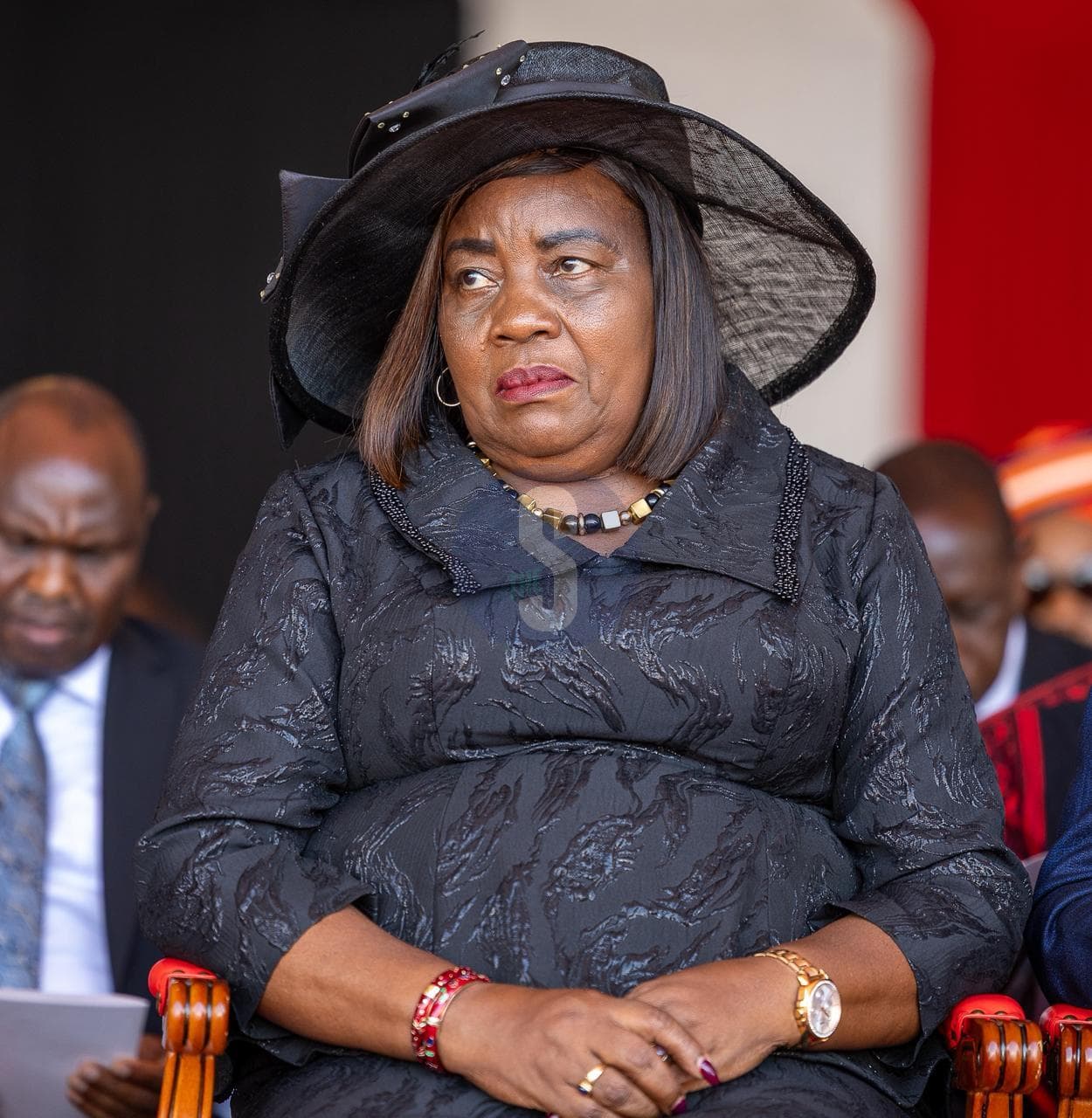
Appearing before the National Assembly Departmental Committee on Defence, Intelligence, and Foreign Relations, Ida Odinga fiercely defended her suitability, extensive experience, and diplomatic acumen for the top environmental post in Geneva and Nairobi.
Her nomination by President William Ruto marks a significant bipartisan political shift in Kenya. Beyond the political optics, her meticulous financial declaration brings unprecedented transparency to the wealth of one of East Africa's most prominent political families, setting a new benchmark for public accountability.
For decades, the Odinga name has been synonymous with opposition politics in Kenya. However, the recent political realignments following the controversial 2022 general elections have seen a thawing of hostilities between President Ruto and veteran opposition leader Raila Odinga. The nomination of Ida Odinga to the United Nations Environment Programme (UNEP) is widely viewed by political analysts as a masterstroke of diplomatic statecraft, solidifying a working relationship that brings stability to the East African economic powerhouse.
During her rigorous vetting process, Ida Odinga was pressed on her capacity to transition from a towering domestic political figure to a neutral, effective international diplomat. She articulated a clear, sophisticated vision for Kenya's environmental diplomacy, emphasizing that her long history of advocacy, educational leadership, and grassroots mobilization perfectly aligns with the core mandate of UNEP. She promised to leverage her vast networks to amplify the Global South's voice in critical climate negotiations.
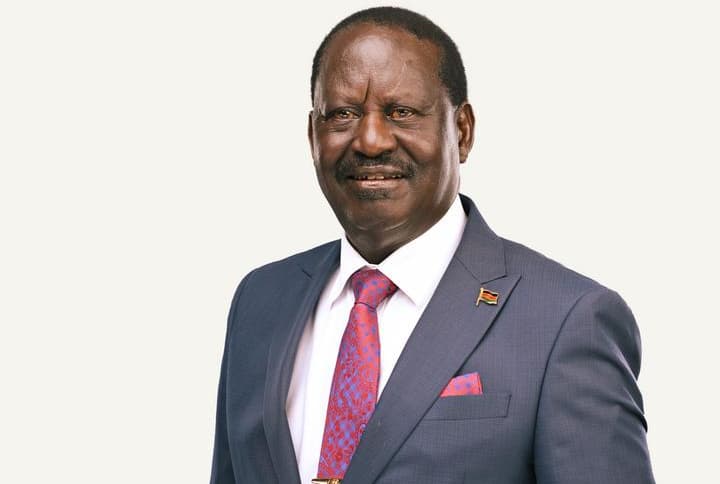
Crucially, her declaration of a KSh 500 million net worth was a point of intense focus. She categorically clarified to the parliamentary panel that this figure represents her singular, individually accrued wealth, completely distinct from the vast holdings of her husband, Raila Odinga, or the extended Odinga dynasty. This transparency is rare in a region where the financial portfolios of political elites are often shielded behind opaque corporate structures and trusts.
If confirmed, Ida Odinga will assume her role at a perilous moment for the African continent. East Africa is currently bearing the brunt of severe climate change impacts, oscillating violently between unprecedented droughts and catastrophic flooding. The Horn of Africa recently endured its worst drought in forty years, decimating pastoralist livelihoods and severely contracting regional GDP.
Her presentation to the committee demonstrated a keen understanding of these localized environmental crises. She highlighted the urgent need for robust climate financing mechanisms that directly benefit frontline communities in Kenya, rather than remaining trapped in bureaucratic international frameworks. Her proposed strategy involves a multi-pronged approach to environmental advocacy.
She outlined several key priorities for her tenure at UNEP:
Members of the parliamentary committee expressed broad, cross-party satisfaction with her deep understanding of both domestic policy requirements and complex multilateral environmental agreements. They recognized that her stature could act as a significant multiplier for Kenya's soft power on the global stage. Her transition from the 'Mother of Modern Opposition' to a chief diplomat requires a delicate balancing act, one that she appears ready to execute.
The economic implications of her environmental agenda cannot be overstated. With Kenya heavily reliant on rain-fed agriculture and wildlife tourism, securing international support and funding through UNEP is not merely an ecological imperative; it is a fundamental pillar of national economic security. Her stated goal of aligning international environmental policies with localized economic realities resonated strongly with the vetting panel.
As the session concluded, the consensus leaned heavily toward her approval. The deployment of such a high-profile figure to the United Nations signals Kenya's aggressive intent to lead the global climate discourse from the front. Her combination of political gravitas, personal transparency, and focused environmental vision presents a formidable asset for East Africa's diplomatic corps.
"I bring the weight of experience, the clarity of purpose, and an unyielding commitment to ensuring that the environment we pass to the next generation is secure, sustainable, and capable of supporting our shared prosperity," she concluded.
Keep the conversation in one place—threads here stay linked to the story and in the forums.
Sign in to start a discussion
Start a conversation about this story and keep it linked here.
Other hot threads
E-sports and Gaming Community in Kenya
Active 9 months ago
The Role of Technology in Modern Agriculture (AgriTech)
Active 9 months ago
Popular Recreational Activities Across Counties
Active 9 months ago
Investing in Youth Sports Development Programs
Active 9 months ago
Key figures and persons of interest featured in this article