We're loading the full news article for you. This includes the article content, images, author information, and related articles.
The Hague’s Appeals Chamber rules that the 2021 probe covers the Gaza war, cementing the legal pursuit of Israeli leaders and signaling a shift in global justice that resonates from Tel Aviv to Nairobi.

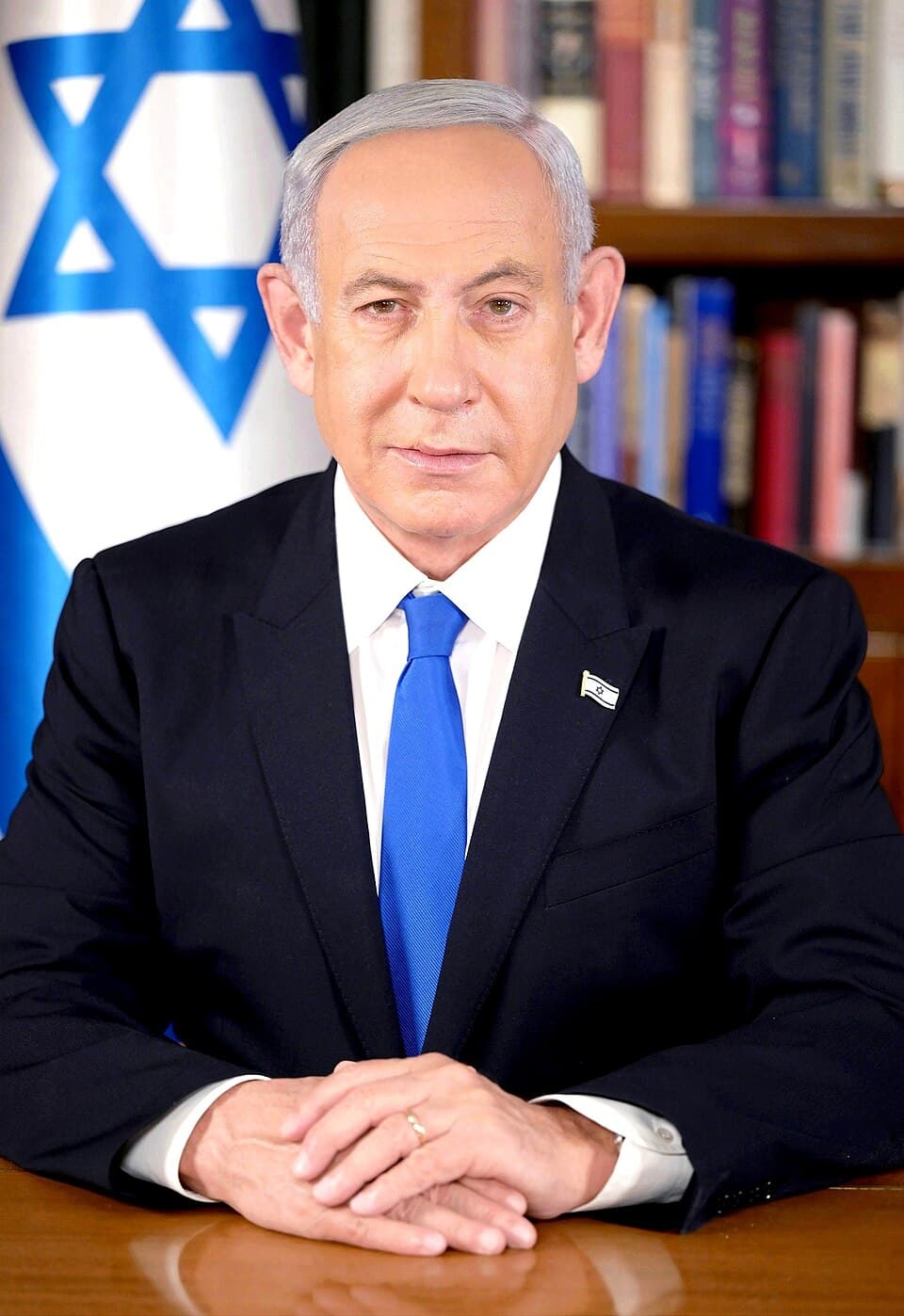
The gavel came down in The Hague on Monday, but the shockwaves are being felt as far away as Upper Hill, Nairobi. In a decision that fundamentally alters the geopolitical landscape, the International Criminal Court (ICC) Appeals Chamber has rejected Israel’s bid to block an investigation into alleged war crimes in Gaza, effectively stripping away the last procedural shield protecting Prime Minister Benjamin Netanyahu and former Defense Minister Yoav Gallant from international prosecution.
For years, the critique echoing through the corridors of the African Union has been that the ICC is a court built solely for African leaders. Monday’s ruling shatters that narrative. By affirming its jurisdiction over a close Western ally, the court has sent a chilling message to capitals worldwide: the rules of war are not optional, regardless of the flag you fly.
The heart of Israel’s appeal was a technicality with massive implications. Tel Aviv’s legal team argued that the assault on Gaza following the October 7, 2023 attacks constituted a "new situation" distinct from the court's original 2021 mandate. They claimed this required a fresh notification from the Prosecutor, a procedural reset that would have bought Israel months, if not years, of delay.
The Appeals Chamber, however, was unpersuaded. In a unanimous decision, the judges ruled that the 2021 investigation into the "Situation in Palestine" was broad enough to encompass the current conflict. They held that the parameters—the territory, the parties, and the nature of the alleged crimes—remained fundamentally linked.
This legal clarity means the arrest warrants issued in November 2024 for Netanyahu and Gallant remain fully active. They are now marked men in the eyes of international law, unable to travel to any of the 124 member states of the Rome Statute—including Kenya—without risking immediate arrest.
While the lawyers battled in the Netherlands, the reality on the ground in Gaza remains grim. The ruling comes against a backdrop of a fragile ceasefire that took effect on October 11, 2025. Yet, the pause in fighting has done little to stem the bleeding.
The humanitarian catastrophe has drawn sharp lines in the sand. The United States, under the Trump administration, has reportedly sanctioned nine ICC jurists in retaliation, a move that deepens the rift between Washington and the global judicial system. The US has provided Israel with over $21 billion (approx. KES 2.7 trillion) in military aid, a figure that dwarfs Kenya’s entire annual development budget.
Why should a coffee farmer in Nyeri or a tech worker in Westlands care about a court ruling in Europe? The answer lies in both principle and pocketbook.
First, Kenya is a state party to the Rome Statute. We have a complex history with the court, having seen our own leaders face—and defeat—charges. For years, Nairobi has joined the chorus accusing the ICC of bias against Africa. This ruling complicates that stance. It demonstrates that the court is willing to confront a nuclear-armed state backed by the world's superpower.
Second, the stability of the Middle East is directly tied to the cost of living in Kenya. The prolonged conflict has kept global oil markets on edge. Any escalation that draws in Iran or disrupts shipping lanes in the Red Sea translates instantly to higher pump prices in Nairobi, pushing up the cost of unga and transport.
"This is not just about legal theory," notes Dr. Amina Juma, a Nairobi-based international relations analyst. "If the international rule of law collapses, smaller nations like Kenya lose their only shield against the whims of powerful states. A functional ICC is in our national interest."
As the dust settles on this ruling, the question is no longer whether the ICC can investigate Israel, but how the world will react when it does. For now, the warrants stand, and the shadow of The Hague has grown significantly longer.
Keep the conversation in one place—threads here stay linked to the story and in the forums.
Sign in to start a discussion
Start a conversation about this story and keep it linked here.
Other hot threads
E-sports and Gaming Community in Kenya
Active 10 months ago
The Role of Technology in Modern Agriculture (AgriTech)
Active 10 months ago
Popular Recreational Activities Across Counties
Active 10 months ago
Investing in Youth Sports Development Programs
Active 10 months ago
Key figures and persons of interest featured in this article