We're loading the full news article for you. This includes the article content, images, author information, and related articles.
Hungarian security forces allegedly administered forced injections to Ukrainian bank officials, sparking a diplomatic firestorm amid high-stakes election tensions.

The silence of a secure detention facility was broken on March 5, 2026, when a convoy of Ukrainian state savings bank employees found themselves subjected to what legal representatives are now characterizing as a state-sanctioned medical assault. Seven employees from Oschadbank, Ukraine’s state-owned savings institution, were detained by Hungarian anti-terrorism police, known as TEK, while transporting financial assets across Hungarian territory. The detention, which lasted over 24 hours, has escalated into a diplomatic crisis, with allegations surfacing that one of the detainees—a former officer with the Security Service of Ukraine (SBU)—was administered a forced injection of an unknown substance.
This incident transcends a mere customs dispute it marks a severe intensification of geopolitical friction as Hungary approaches a high-stakes parliamentary election. The detainee, who suffers from diabetes, reportedly experienced a hypertensive crisis and lost consciousness shortly after the injection, necessitating urgent hospital care. With Viktor Orbán’s 16-year administration facing a genuine threat of removal at the ballot box, the intersection of aggressive border policing, accusations of foreign interference, and allegations of torture creates a volatile environment that threatens to destabilize relations between Budapest and Kyiv, and by extension, the broader European security architecture.
According to sources within Kyiv, the substance administered to the detainee was suspected to be a powerful relaxant intended to induce a state of involuntary loquacity—a methodology historically associated with Cold War-era interrogations, often referred to colloquially as a truth serum. While the Guardian could not independently verify the medical results, the implications of such an act, if substantiated, would constitute a grave violation of human rights and international diplomatic norms regarding the treatment of foreign nationals.
Legal counsel for the detainees, Lóránt Horváth, has confirmed that his client received an injection of unknown contents despite his explicit objections. Medical personnel at the hospital where the detainee was eventually transported faced a complex scenario, with the bank noting that the individual’s pre-existing health condition meant that specialized medical care was delayed until the detainee had already slipped into unconsciousness. The lack of transparency from Hungarian authorities regarding the medical procedure—and the contents of the impounded assets—has fueled speculation that the operation was politically motivated rather than a standard law enforcement action.
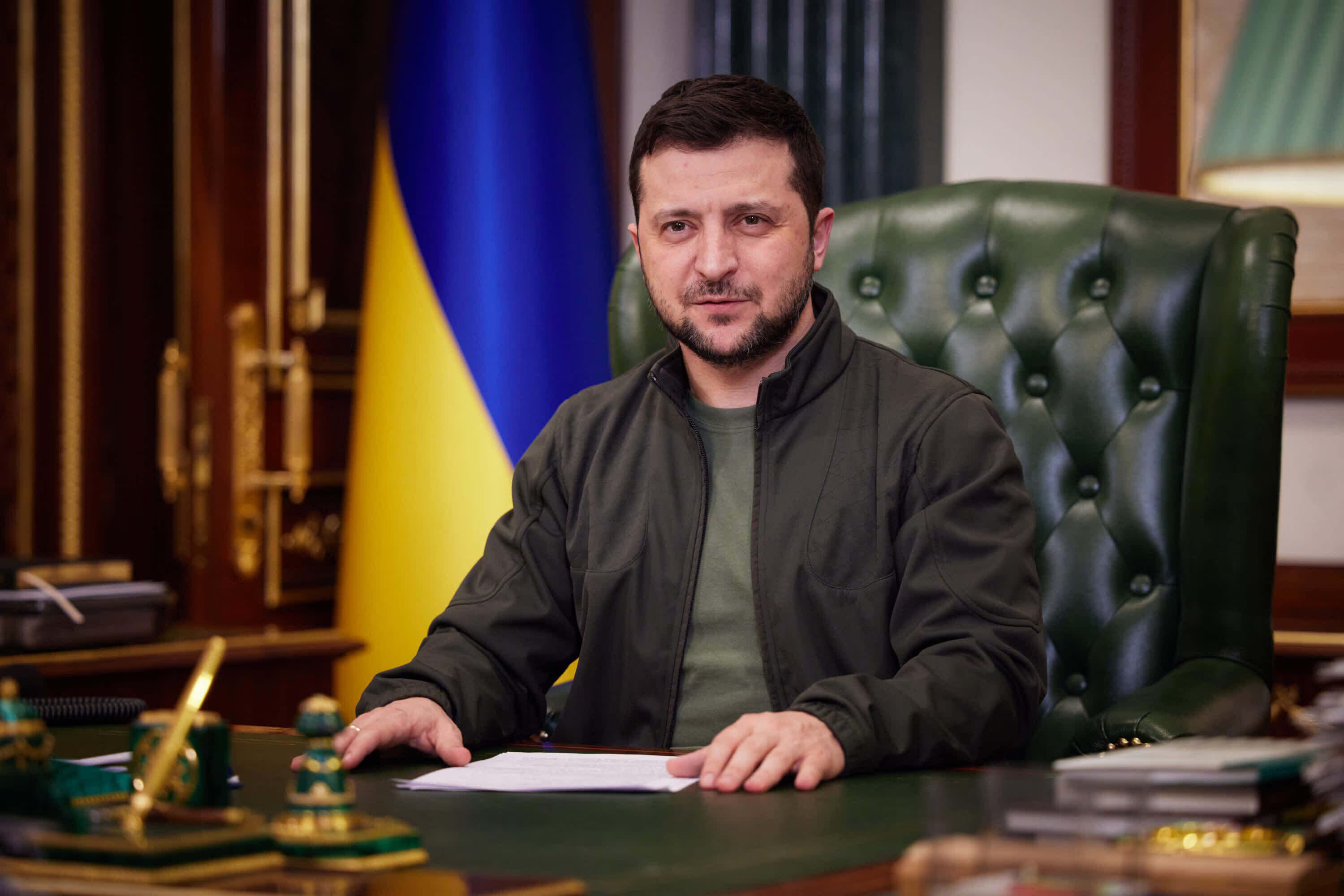
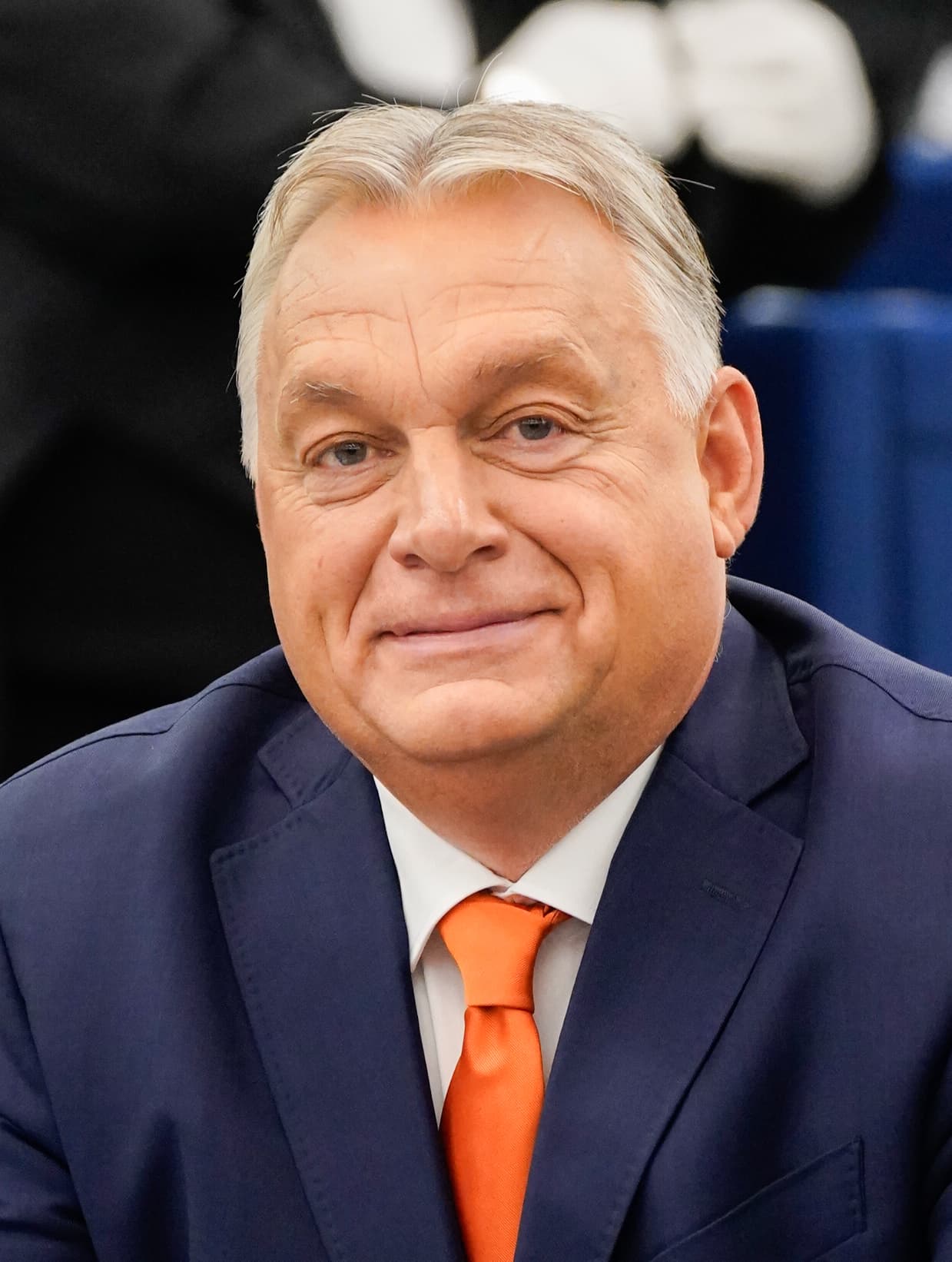
The seizure occurred under the guise of an anti-mafia operation. Hungarian officials characterized the convoy as a transport for the so-called Ukrainian war mafia, yet they have failed to produce substantive evidence to support these claims. For observers of regional politics, the timing is impossible to ignore. Prime Minister Viktor Orbán has utilized an increasingly anti-Ukrainian rhetoric in his campaign, positioning his government as the sole guardian of Hungarian sovereignty against what he describes as the disruptive influence of Kyiv and its president, Volodymyr Zelenskyy.
This narrative serves a dual purpose: it rallies a base deeply skeptical of European interventionism and counters reports suggesting that Moscow is actively funding and supporting the incumbent government’s campaign. By characterizing the Oschadbank employees as criminal entities, the Hungarian state effectively neutralized a legitimate financial transfer, creating a "security crisis" that Orbán could exploit in the lead-up to the parliamentary vote. The deportation of the bank employees and the continued impounding of the funds suggest a sustained strategy of creating diplomatic hurdles for the Ukrainian state.
The impact of this incident extends far beyond the borders of Hungary. For the international community, the normalization of state-sponsored forced medical interventions in a European Union member state is a alarming precedent. The weaponization of border security and intelligence services to harass foreign officials undermines the rule of law within the Schengen zone, the world's largest visa-free travel area. If a state can unilaterally seize diplomatic or state-owned assets—and allegedly harm personnel—under the pretext of criminal investigation without transparency, the integrity of regional trade and movement is fundamentally compromised.
Furthermore, the silence from Hungarian regulatory agencies, including the tax and customs authority NAV, regarding the specific legal basis for the seizure is noteworthy. Oschadbank has responded by filing a comprehensive criminal complaint against Hungarian authorities for abuse of office, alongside civil claims to recover the seized funds and reverse the ban on their staff. As these legal battles unfold, they will likely force the European Commission to examine whether Hungary’s current security protocols align with the values and laws that underpin the European project.
The detention of the Oschadbank staff is a stark reminder that in the shadow of major conflict, the boundaries between law enforcement and state-sponsored intimidation are becoming increasingly porous. Whether this was an act of genuine anti-mafia enforcement or a coordinated political maneuver remains the subject of intense international scrutiny. As the evidence is reviewed and the legal complaints proceed, the case highlights the fragility of diplomatic relations in Eastern Europe. The world waits to see if the European Union will act to protect the rights of those caught in the crossfire of a contentious national election, or if this incident will be quietly swept aside in the pursuit of political expediency.
Keep the conversation in one place—threads here stay linked to the story and in the forums.
Sign in to start a discussion
Start a conversation about this story and keep it linked here.
Other hot threads
E-sports and Gaming Community in Kenya
Active 10 months ago
The Role of Technology in Modern Agriculture (AgriTech)
Active 10 months ago
Popular Recreational Activities Across Counties
Active 10 months ago
Investing in Youth Sports Development Programs
Active 10 months ago
Key figures and persons of interest featured in this article