We're loading the full news article for you. This includes the article content, images, author information, and related articles.
Through aggressive legislation banning solid fuels and heavily subsidizing cleaner heating alternatives, the city of Kraków, once notorious as Poland's smog capital, has successfully averted nearly 6,000 premature deaths over a decade, offering a powerful blueprint for heavily polluted African metropolises like Nairobi.

Through aggressive legislation banning solid fuels and heavily subsidizing cleaner heating alternatives, the city of Kraków, once notorious as Poland's smog capital, has successfully averted nearly 6,000 premature deaths over a decade, offering a powerful blueprint for heavily polluted African metropolises like Nairobi.
Kraków’s decisive political action against air pollution has yielded remarkable public health victories. By enforcing a strict ban on burning coal and wood in home heating systems since 2019, the city drastically reduced toxic soot levels, saving an estimated 5,897 lives over a ten-year period.
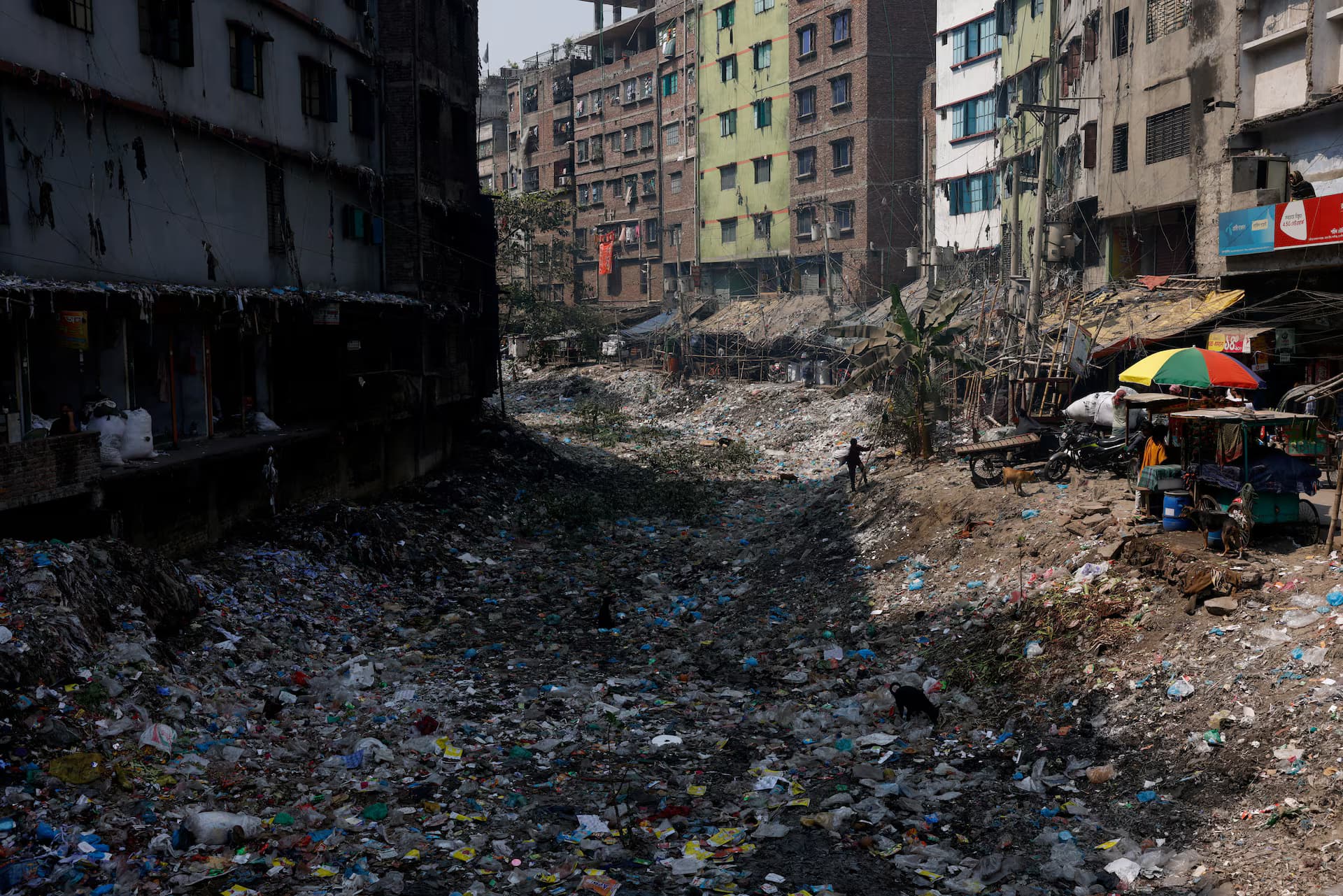
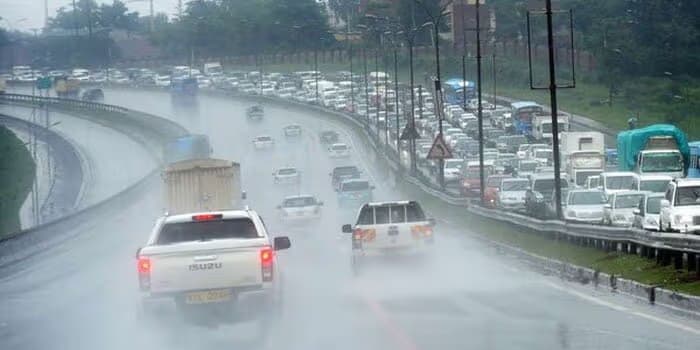
The transformation of Kraków from a city choked by industrial and domestic smog into a beacon of clean air policy provides a vital case study for East Africa. Nairobi frequently grapples with hazardous air quality indices, driven by vehicular emissions, the open burning of waste at the Dandora dumpsite, and the pervasive use of charcoal and biomass in informal settlements. The Polish experience proves that political will, backed by strategic financial subsidies, can reverse the deadly trajectory of urban air pollution and tangibly improve the respiratory health of millions.
For decades, residents of Kraków lived under a toxic cloud. Marcel Mazur, an allergy specialist at Jagiellonian University Medical College, recalled childhoods where the smoke was so thick you could taste it. The turning point came in 2013 when the local government, pushed by grassroots campaigns like Polish Smog Alert, announced the impending ban on solid fuels. Crucially, the government did not just criminalize the pollution; they actively subsidized the transition, covering the costs for tens of thousands of households to replace dirty stoves with cleaner, modernized heating grids.
The primary culprit in Kraków, and indeed in many developing cities, is black carbon—a potent superpollutant released from the incomplete combustion of fossil fuels and biomass. Black carbon is significantly more destructive to lung tissue than standard carbon dioxide and is a major accelerator of localized global heating. The European Clean Air Centre utilized advanced metrics to calculate the death toll averted by measuring the specific reduction of black carbon fractions within PM2.5 particulate matter in Kraków’s atmosphere.
In the Kenyan context, the reliance on charcoal (makaa) and firewood for cooking in densely populated areas like Kibera and Mukuru kwa Njenga creates a micro-environment of intense black carbon exposure. Respiratory diseases, including asthma and chronic bronchitis, are consistently among the top causes of morbidity in Nairobi's public hospitals. Mazur’s research in Poland showed a staggering 17% drop in childhood asthma cases following the air quality improvements. Implementing similar clean cooking gas (LPG) subsidies and strictly enforcing waste management laws could replicate these life-saving health outcomes in Kenya.
The success in Poland was anchored by a rare and absolute political consensus. As Łukasz Adamkiewicz of the European Clean Air Centre noted, politicians from across the entire ideological spectrum—left, right, green, and conservative—united to tackle the smog crisis. It ceased to be a partisan issue and became a collective survival imperative. This level of unified governance is precisely what is required from Kenya’s National Environment Management Authority (NEMA) and the Nairobi County Government to enforce unpopular but necessary environmental regulations.
Transitioning an entire city’s energy infrastructure is phenomenally expensive and politically risky. However, Kraków’s government understood that the long-term healthcare savings far outweighed the initial subsidy expenditures. They instituted gradual restrictions leading up to the total ban, giving the population time to adapt financially and logistically. This phased, supportive approach prevented massive public backlash and ensured high compliance rates when the ban finally took effect.
At the recent UN climate summit, multiple nations pledged to cut black carbon emissions, recognizing it as a dual strategy for saving lives and slowing climate change. Kraków stands as the ultimate proof of concept.
The air we breathe should not be a silent killer. The lessons from Poland must be internalized and aggressively adapted by urban planners across the Global South.
“Little more than 10 years ago, we had about 150 days a year with too-high concentrations of particulates. Now it’s down to 30. It’s a huge improvement,” stated Anna Dworakowska of Polish Smog Alert, summarizing the monumental achievement.
Keep the conversation in one place—threads here stay linked to the story and in the forums.
Sign in to start a discussion
Start a conversation about this story and keep it linked here.
Other hot threads
E-sports and Gaming Community in Kenya
Active 9 months ago
The Role of Technology in Modern Agriculture (AgriTech)
Active 9 months ago
Popular Recreational Activities Across Counties
Active 9 months ago
Investing in Youth Sports Development Programs
Active 9 months ago