We're loading the full news article for you. This includes the article content, images, author information, and related articles.
The Kenya Meteorological Department has warned citizens to brace for severe downpours and potential flooding across multiple counties, urging immediate precautionary measures as the Lake Victoria Basin and Rift Valley face the brunt of the deluge.
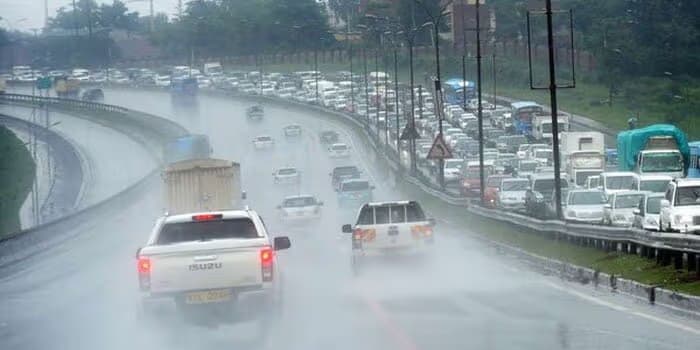
The Kenya Meteorological Department has warned citizens to brace for severe downpours and potential flooding across multiple counties, urging immediate precautionary measures as the Lake Victoria Basin and Rift Valley face the brunt of the deluge.
Kenya is staring down the barrel of a severe, potentially destructive weather event. After weeks of sporadic showers that have already left several regions waterlogged, the atmospheric conditions have dramatically intensified, prompting emergency warnings from the national weather authority.
The Kenya Meteorological Department (KMD) has officially issued a high-level heavy rainfall alert, valid from Saturday, February 21, through Wednesday, February 25, 2026. The advisory paints a grim picture for large swathes of the country, forecasting intense precipitation that is highly likely to trigger flash floods, disrupt critical transport infrastructure, and endanger lives in low-lying areas.
The geographic footprint of the impending storm is vast. The advisory explicitly targets the Lake Victoria Basin, the entire Rift Valley corridor, the Highlands both east and west of the Rift Valley, and the bustling capital city of Nairobi. As the weather system progresses, the torrential rains are expected to sweep across the South-eastern Lowlands and batter the Coastal region, particularly the South Coast.
Meteorologists are projecting terrifying volumes of water. Rainfall in the designated high-risk zones is expected to easily breach the 20mm mark within a 24-hour window on Saturday. By Sunday, the intensity is forecast to escalate violently, potentially exceeding 30mm daily through Tuesday.
A staggering list of high-risk counties has been placed on red alert, including Migori, Kakamega, Nyeri, Kisii, Narok, Machakos, Nairobi, Mombasa, and parts of Kilifi. The sheer scope of the alert underscores the national severity of the threat.
The government is not mincing words regarding the imminent danger. Edward Muriuki, the Acting Managing Director of Kenya Met, issued a stark public directive emphasizing that preparedness is no longer optional; it is critical for survival.
"Even a moderate probability should not be taken lightly. Early action saves lives and reduces property damage,” Muriuki stressed. Historical data paints a dark picture; previous heavy rain seasons in Kenya have consistently resulted in tragic losses of life and catastrophic economic damage to the agricultural sector.
As the dark clouds gather over the East African skies, the directive to the public is clear: monitor official updates relentlessly, secure your families, and respect the devastating power of the coming storm.
Keep the conversation in one place—threads here stay linked to the story and in the forums.
Sign in to start a discussion
Start a conversation about this story and keep it linked here.
Other hot threads
E-sports and Gaming Community in Kenya
Active 9 months ago
The Role of Technology in Modern Agriculture (AgriTech)
Active 9 months ago
Popular Recreational Activities Across Counties
Active 9 months ago
Investing in Youth Sports Development Programs
Active 9 months ago