We're loading the full news article for you. This includes the article content, images, author information, and related articles.
Typical household energy bills will fall by 7% in April, regulator Ofgem has announced, following a shake-up in charges by the government.
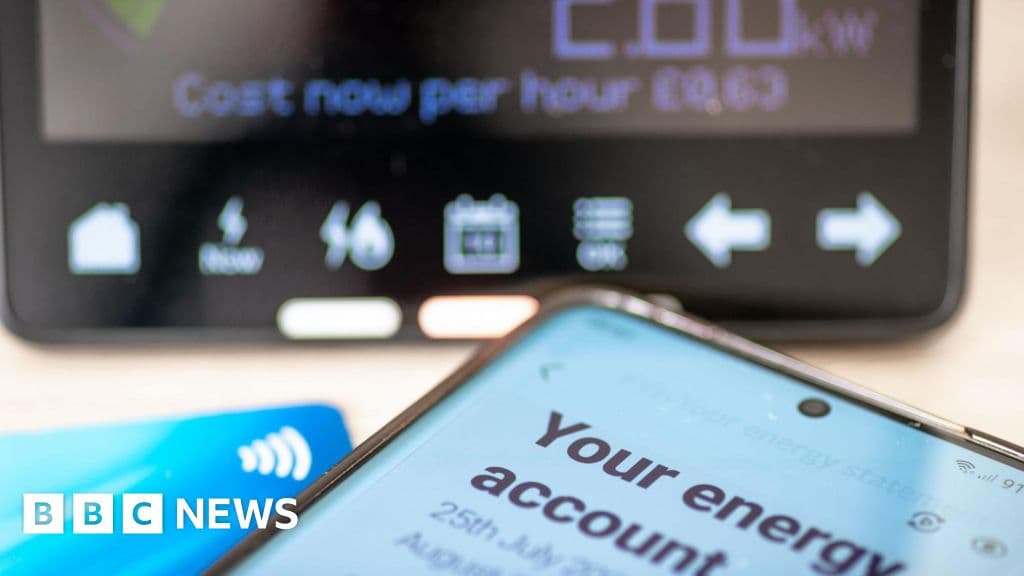
Typical UK household energy bills are set to fall by 7% in April, following a major strategic shake-up in centralized government charges and a drop in the Ofgem price cap.
Millions of financially stretched households across England, Wales, and Scotland are finally poised to receive highly anticipated economic relief as the national energy regulator, Ofgem, officially announces a significant reduction in the consumer price cap. Starting this April, the average annual energy bill will drop by approximately £117, bringing the new standardized baseline cost down to £1,641. This carefully engineered reduction is the direct, calculated result of major policy shifts recently orchestrated by the current Labour government.
This critical financial development is a massive political and economic milestone because energy costs have been the absolute primary driver of the crippling, historic cost-of-living crisis that has ruthlessly battered the British working class since the onset of the global energy shocks in 2022. By aggressively actively restructuring how fundamental energy policies are funded, the government is attempting to permanently shield vulnerable domestic consumers from the extreme, unpredictable volatility of international wholesale gas markets.
The newly announced £117 annual saving for households utilizing a typical amount of gas and electricity represents a complex, multi-faceted restructuring of domestic utility billing. Domestic energy bills in the United Kingdom are notoriously complicated, consisting of a highly convoluted mix of wholesale energy prices, network maintenance costs, and heavily debated government policy levies. The recent, highly publicized November Budget presented by Chancellor Rachel Reeves aggressively targeted the latter category.
In a bold and highly strategic fiscal maneuver, the Chancellor officially announced the total scrapping of the controversial Energy Company Obligation (Eco) scheme—a legacy policy originally introduced by the previous Conservative government—which was previously funded directly through hidden surcharges on individual consumer bills. Furthermore, several other costly green energy levies have now been completely shifted away from household utility bills and firmly integrated into the broader general taxation system, instantly lowering the upfront cost for the average end-user.
While the UK government is actively and aggressively pulling heavy macroeconomic levers to forcibly drive down consumer utility costs, the situation presents a stark, highly illuminating contrast for consumers operating within East Africa. In Kenya, for example, the cost of electricity remains oppressively high, largely driven by inflexible, long-term power purchase agreements with independent power producers and an ever-increasing array of heavily compounded taxes and fluctuating fuel cost surcharges levied by the national utility monopoly.
The British approach of transferring the heavy financial burden of green energy infrastructure development away from the direct consumer and onto the broader, more progressive national tax base offers a fascinating, potentially highly effective policy blueprint. In developing nations where baseline electricity access is absolutely crucial for rapid industrialization and basic economic empowerment, saddling the end consumer with the massive capital costs of green transition initiatives often deeply stifles localized economic growth and severely punishes low-income households.
Despite this highly welcome and politically popular price reduction, serious economic experts are actively urging extreme caution. Prime Minister Sir Keir Starmer has publicly reiterated his strict, uncompromising commitment to continuously bringing bills down, stating forcefully that they have been "too high for too long." However, historical context is absolutely vital; even with this upcoming April drop, baseline energy prices remain staggeringly high—more than £500 (or 44%) higher than they were before the massive global disruptions of 2019.
Furthermore, the underlying, fundamental cost of aggressively maintaining and structurally strengthening the UK’s aging national energy grid—including vast networks of new power lines, sub-sea cables, and legacy gas pipes—is continuing to rise rapidly. Consumer debts to energy firms have already ballooned to entirely unprecedented, crisis-level highs during the recent inflation spikes. While the April reduction provides a desperately needed, immediate breathing space, the long-term, systemic stability of global energy affordability remains a profoundly complex and entirely unresolved international challenge.
The fight against the soaring cost of living is far from over, but this decisive government intervention undeniably marks a highly significant battle won for the everyday consumer.
Keep the conversation in one place—threads here stay linked to the story and in the forums.
Sign in to start a discussion
Start a conversation about this story and keep it linked here.
Other hot threads
E-sports and Gaming Community in Kenya
Active 9 months ago
The Role of Technology in Modern Agriculture (AgriTech)
Active 9 months ago
Popular Recreational Activities Across Counties
Active 9 months ago
Investing in Youth Sports Development Programs
Active 9 months ago