We're loading the full news article for you. This includes the article content, images, author information, and related articles.
A damning report exposes the legislators earning millions while remaining mute, betraying the voters who sent them to Nairobi.

A damning report exposes the legislators earning millions while remaining mute, betraying the voters who sent them to Nairobi.
In the hallowed chambers of the National Assembly, where the fate of the nation is debated and laws are forged, a shocking number of representatives have chosen a strategy of absolute silence. A new performance analysis of the 13th Parliament has peeled back the curtain on legislative lethargy, revealing that several Members of Parliament have not uttered a single word on the floor since taking their oath of office in September 2022. This is not merely a statistic; it is a scandal of representation.
While the country grapples with a cost-of-living crisis, a crumbling healthcare system, and education reforms, these "Silent MPs" have sat comfortably in the August House, collecting their salaries and allowances without contributing a syllable to the national discourse. The report, released by parliamentary monitoring group Mzalendo, names and shames leaders who have effectively turned their parliamentary seats into expensive furniture. The contrast between the noise of their campaigns and the silence of their tenure is a deafening indictment of the current political class.
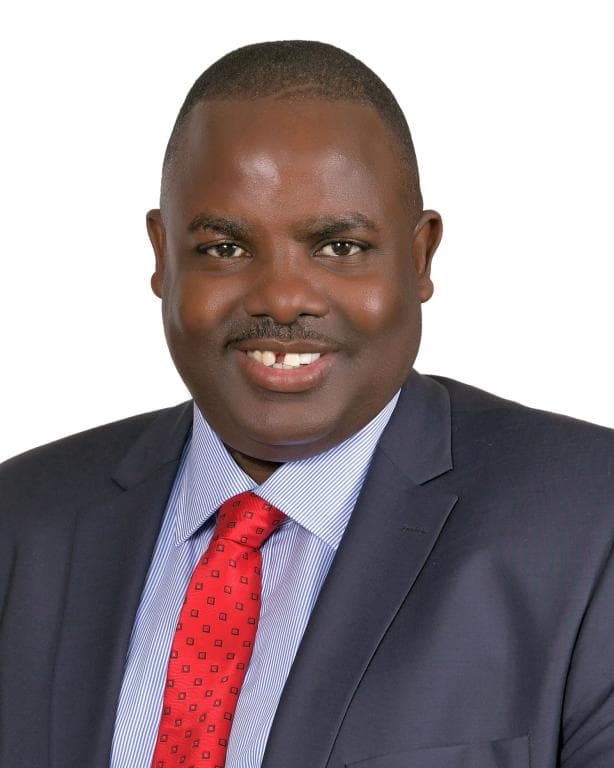
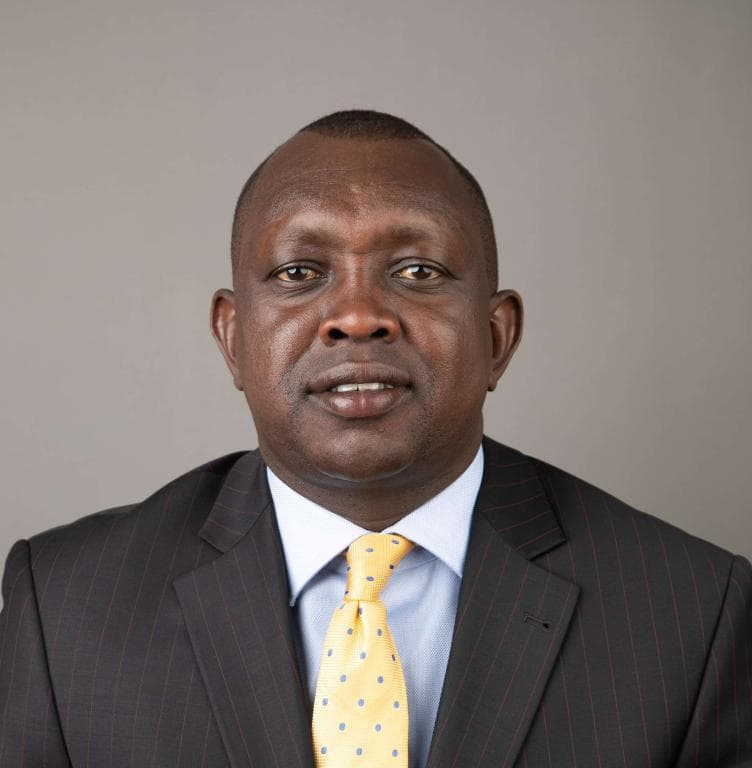
The list of the silent includes prominent names and seasoned politicians, proving that experience does not always equate to performance. Among those flagged for zero speech contributions are Lagdera MP Abdikadir Hussein, Kapsaret MP Oscar Sudi, and Makadara MP George Aladwa. For constituencies facing unique challenges—from insecurity in Lagdera to urban poverty in Makadara—the silence of their representatives is a direct dereliction of duty. How can the grievances of the people be heard if their messenger refuses to speak?
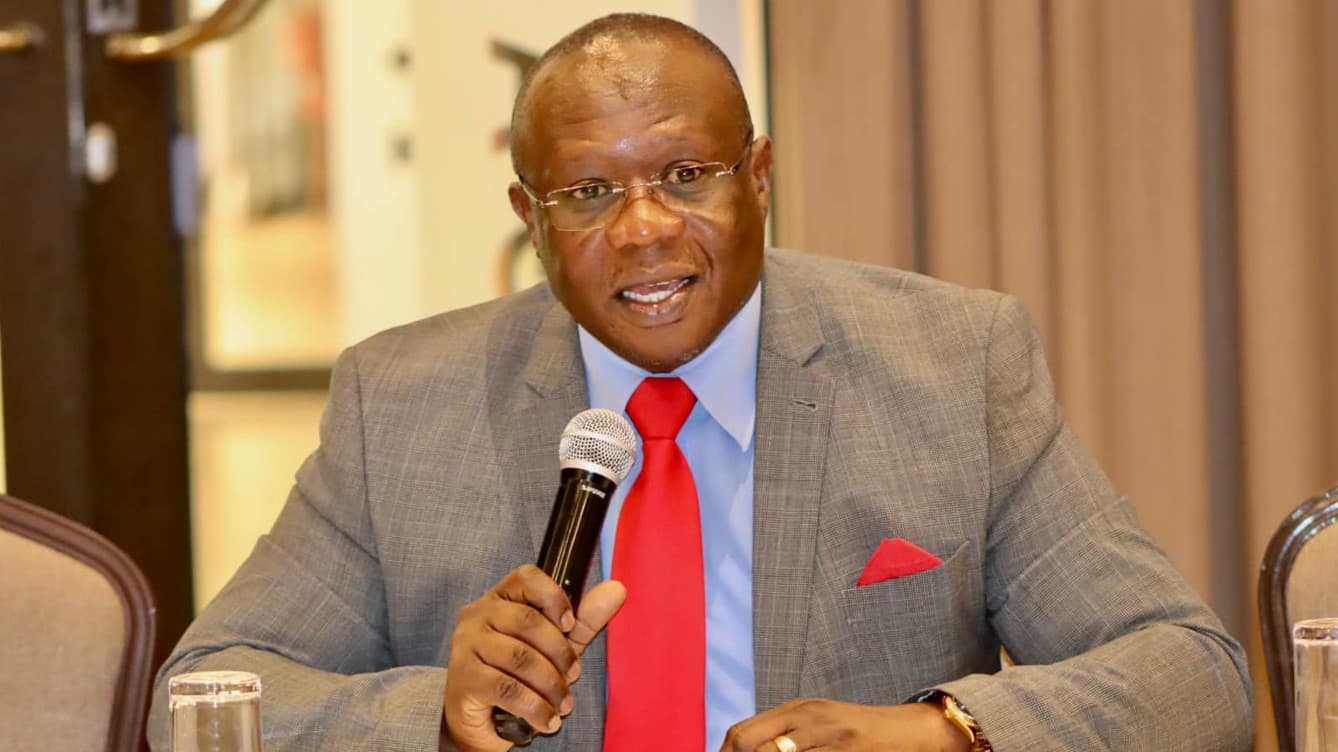
The data, which covers sessions up to December last year, paints a picture of a two-speed Parliament. On one end are the hyper-active debaters like Majority Leader Kimani Ichung’wah and his Deputy Owen Baya, who have made thousands of contributions. On the other are the mute spectators who seem to view Parliament as a social club rather than a place of work. Even those who have spoken, such as Mvita MP Mohamed Soud Machele and Tarbaj MP Hussein Abdi, have done so only once or twice—a token effort that barely registers on the legislative radar.
This report raises fundamental questions about the role of a Member of Parliament in modern Kenya. Is their job simply to vote when the bell rings and attend funerals in the village? Or is it to interrogate bills, propose amendments, and articulate the needs of their people? The "Silent Exit" from duty by these legislators suggests a profound disconnection from the legislative process.
As the 13th Parliament moves into its later stages, the window for redemption is closing. For the MPs named in this report, the challenge is stark: find your voice or prepare to be silenced permanently by the ballot box. The electorate is watching, and they are listening—and right now, they hear nothing but the sound of wasted opportunity.
Keep the conversation in one place—threads here stay linked to the story and in the forums.
Sign in to start a discussion
Start a conversation about this story and keep it linked here.
Other hot threads
E-sports and Gaming Community in Kenya
Active 9 months ago
The Role of Technology in Modern Agriculture (AgriTech)
Active 9 months ago
Popular Recreational Activities Across Counties
Active 9 months ago
Investing in Youth Sports Development Programs
Active 9 months ago
Key figures and persons of interest featured in this article