We're loading the full news article for you. This includes the article content, images, author information, and related articles.
Government intervention shields motorists and households from rising global diesel and kerosene costs, ensuring transport fares remain stable during the festive season.
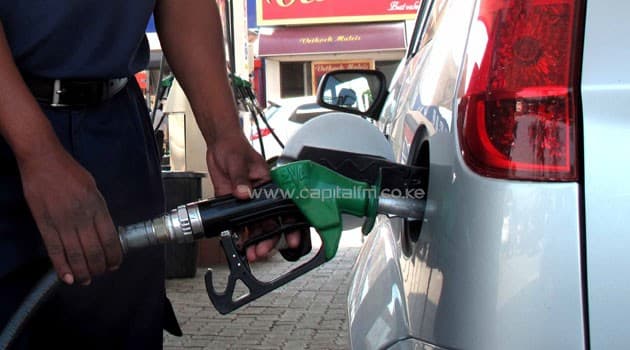
Kenyans traveling upcountry for the holidays have been spared a festive season price shock, with the energy regulator maintaining current fuel prices through mid-January. The move averts a potential spike in public transport fares and logistics costs during the busiest travel period of the year.
The Energy and Petroleum Regulatory Authority (EPRA) announced Sunday that pump prices will remain unchanged until January 13, 2026. This stability, however, is not a reflection of market forces but the result of a deliberate fiscal intervention. The state has stepped in with significant subsidies to offset rising global costs for diesel and kerosene, the two fuels that most directly impact the cost of living.
In its latest review, EPRA confirmed that the government is actively cushioning consumers. Without this intervention, the price at the pump would have likely ticked upward, driven by a hardening global market for heavier fuels.
Under the current pricing schedule, Nairobi residents will continue to pay:
“In the period under review, the maximum allowed petroleum pump prices for Super Petrol, Diesel and Kerosene remain unchanged,” the authority stated in its dispatch. This marks the third consecutive month that the regulator has held prices steady, a streak that has provided much-needed predictability for businesses and households alike.
The decision to subsidize comes against a backdrop of mixed signals in the international oil market. While the cost of importing petrol has dipped, the costs for diesel and kerosene—critical for agriculture, transport, and low-income cooking—have surged.
Data from the regulator indicates that the average landed cost of imported Super Petrol fell by 4.25% to $592.84 (approx. KES 77,000) per cubic metre in November. Conversely, the cost of Diesel rose by 3.02% to $654.24 (approx. KES 85,000) per cubic metre, while Kerosene saw a sharp 5.52% increase to $667.05 (approx. KES 86,700) per cubic metre.
This divergence highlights the strategic nature of the subsidy. By heavily subsidizing Kerosene (KES 4.24 per litre) and Diesel (KES 2.33 per litre), the government is effectively shielding the agrarian economy and the most vulnerable households from the brunt of international winter demand, which typically drives up the price of heating oils and diesel.
As the country heads into 2026, the focus will shift to how long the exchequer can sustain these stabilization adjustments if global volatility persists.
Keep the conversation in one place—threads here stay linked to the story and in the forums.
Sign in to start a discussion
Start a conversation about this story and keep it linked here.
Other hot threads
E-sports and Gaming Community in Kenya
Active 9 months ago
The Role of Technology in Modern Agriculture (AgriTech)
Active 9 months ago
Popular Recreational Activities Across Counties
Active 9 months ago
Investing in Youth Sports Development Programs
Active 9 months ago